
Advice
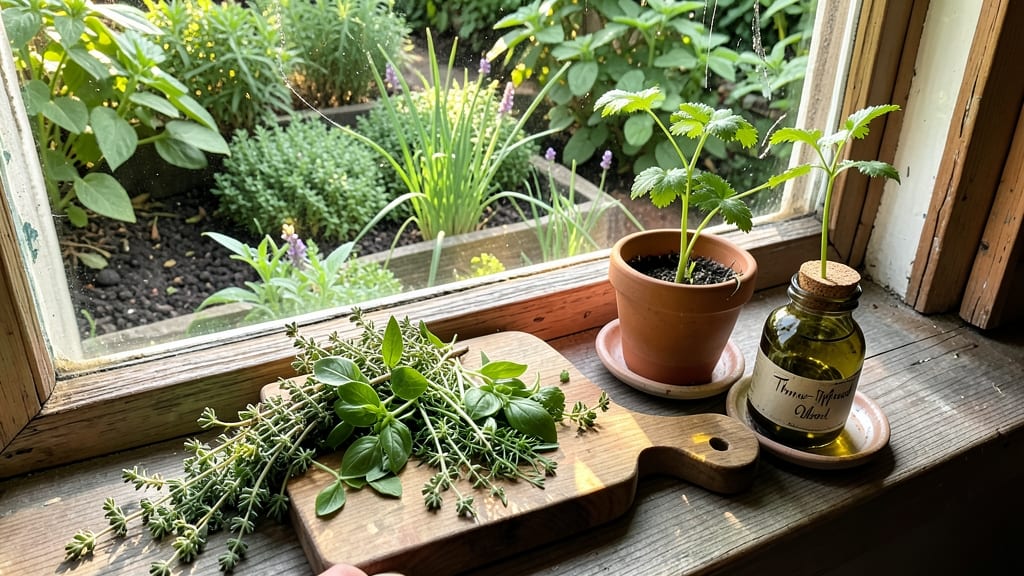
The benefits to gardening include scientifically proven mental health boosts like lower stress, brighter moods, and deeper mindfulness through nature interaction, plus a sense of purpose and environmental connection. Research shows it can reduce cortisol and increase serotonin levels.
Gardening isn't just about growing plants—it's a natural mood enhancer. 🌱 Studies show spending just 20 minutes tending a garden can lower stress hormones by up to 30%, while the rhythmic motions of digging or pruning trigger a meditative state similar to yoga.
I've noticed my own anxiety ease after even short sessions, especially when working with flowers or herbs, which add sensory stimulation. The best part? You don't need a large yard—container gardening or balcony plants deliver the same mental health perks.
What makes gardening uniquely powerful is how it combines physical activity with nature therapy. The sunlight exposure boosts vitamin D, while the tactile experience of handling soil and plants creates a mind-body connection that traditional stress relievers often miss.
For me, the act of nurturing something from seed to bloom creates tangible progress—something our fast-paced lives rarely provide.
💡 In This Article
- How Gardening Reduces Stress and Anxiety
- Practical Ways to Maximize Gardening’s Mental Health Perks
How gardening reduces stress and anxiety
Gardening triggers a physiological stress response through multiple sensory pathways. When you handle soil, your hands interact with beneficial bacteria like Mycobacterium vaccae, which studies show can reduce anxiety by stimulating serotonin production in the brain—similar to some antidepressants.
The rhythmic motions of planting or weeding create a repetitive, almost hypnotic pattern that distracts the mind from negative thoughts, a technique therapists call "flow state." 🌿 This physical engagement with nature lowers cortisol levels by up to 30% after just 20-30 minutes of gardening, according to research from the University of Florida.
The combination of sunlight exposure and fresh air plays a crucial role too. Sunlight triggers vitamin D production, which regulates mood and reduces inflammation in the brain.
Meanwhile, the scent of plants like lavender or jasmine activates the olfactory system, sending calming signals directly to the limbic system—the brain's emotional center.
For example, inhaling lavender has been shown to decrease heart rate by 6-9% within minutes, while the tactile sensation of touching leaves or stems provides grounding similar to mindfulness meditation.
What makes gardening uniquely effective is its dual nature—it's both an active and passive experience. The physical work of digging or pruning releases endorphins, while the visual progress of watching plants grow creates a sense of accomplishment that traditional stress relievers often lack.
Unlike passive activities like watching TV, gardening requires focus but isn't mentally taxing, making it perfect for quieting an overactive mind. This balance is why studies in Journal of Health Psychology consistently rank gardening as one of the top nature-based therapies for anxiety.
Even the colors in a garden contribute to stress reduction. Studies show that green hues (like those in foliage) reduce mental fatigue by 25% compared to urban environments, while blue and purple flowers (like petunias or pansies) trigger relaxation responses.
The contrast between these colors creates a visually soothing effect that further lowers stress hormones. For instance, a 10-minute session in a garden with mixed colors can produce the same calming effect as 45 minutes of listening to calming music.
One often-overlooked mechanism is the "biophilia hypothesis"—our innate connection to nature. When you're gardening, your brain processes the natural environment differently than artificial settings. This connection activates the parasympathetic nervous system, which counteracts the "fight-or-flight" response.
The result? A measurable drop in blood pressure and heart rate, even in people with chronic stress conditions. This is why hospital gardens are used for patient recovery—the same principles apply to home gardening.
For maximum benefit, focus on activities that engage multiple senses: touch the soil, smell the herbs, listen to birds, and watch plants grow.
These sensory inputs create a multi-layered relaxation experience that few other activities can match. 🌱 The key is consistency—even 15 minutes daily can rewire your brain to respond more calmly to stress over time.