
Vegetables
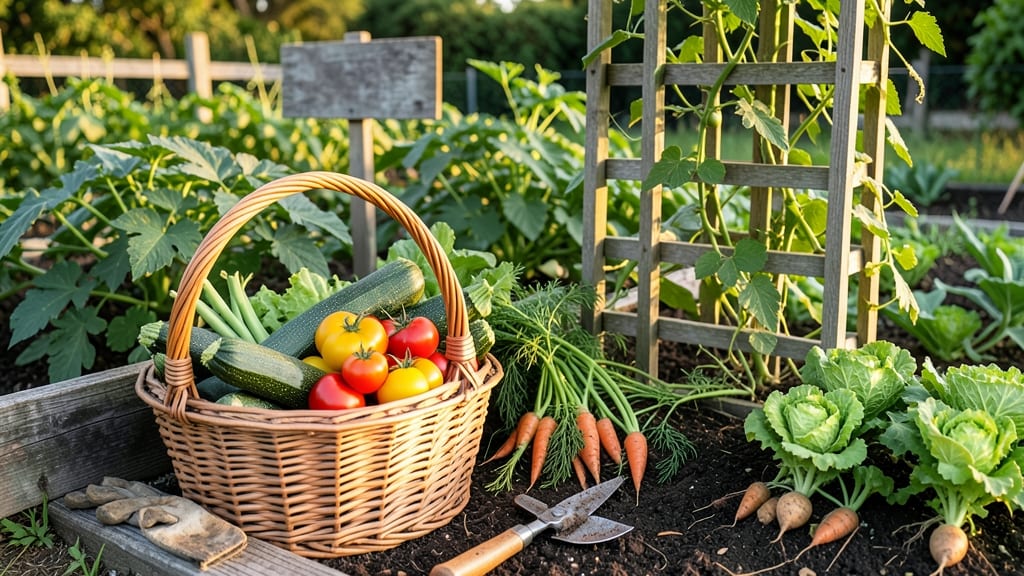
A victory garden defines a homegrown vegetable plot cultivated during wartime or food shortages to boost local food production and reduce dependency on commercial sources, first gaining widespread popularity during World Wars I and II as a patriotic effort to support national food security. Today, these gardens symbolize self-reliance and community cooperation.
To define a victory garden isn't just about growing food—it's a movement rooted in necessity and resilience. 🌱 During WWII, the U.S. government launched campaigns like "Food Will Win the War," encouraging families to dedicate space to growing vegetables, which contributed 40% of the nation's produce by 1943.
Modern versions of these gardens adapt the same principles for today's challenges, like climate change and food deserts, by using techniques like square-foot gardening and vertical farming to maximize space in urban areas.
What makes victory gardens unique is their dual purpose: they address immediate food needs while fostering community bonds. Many modern gardeners organize shared plots in neighborhoods, turning gardening into a collaborative effort that strengthens local networks.
The concept also aligns with sustainability goals, as it promotes seasonal eating and reduces food miles by growing produce locally.
💡 In This Article
- Victory Gardens in WWI and WWII: Origins and Wartime Impact
- Modern Victory Gardens: Sustainability and Community Benefits
Victory gardens in WWI and WWII: origins and wartime impact
Victory gardens emerged as a direct response to wartime food shortages, beginning with World War I when Germany's naval blockade cut off food imports. The U.S. government launched the first organized campaign in 1917, encouraging families to grow vegetables to free up commercial supplies for troops.
By 1918, these gardens produced 12% of the nation's fresh produce, proving their immediate impact. 🌱 The concept gained even more traction during WWII when President Franklin D. Roosevelt's "Food Will Win the War" campaign transformed backyards into productive farms overnight.
The wartime effort was meticulously organized. Government agencies like the National War Garden Commission provided free seeds, planting guides, and even radio broadcasts with gardening tips.
Families were encouraged to grow high-yield crops like potatoes (producing 3-5 lbs per sq ft), tomatoes (10-15 lbs per plant), and cabbage (2-3 heads per plant).
The results were staggering: by 1943, victory gardens covered 40% of U.S. vegetable production, with an estimated 20 million gardens across the country supplying 40% of all vegetables consumed.
What made these gardens so effective was their psychological impact alongside their practical benefits. The act of growing food fostered a sense of patriotism and collective purpose. Children were often assigned "war gardens" as school projects, and communities organized neighborhood planting days.
The government even distributed victory garden victory buttons to celebrate families who participated, creating a visual symbol of national unity. This combination of food production and morale boosting made victory gardens a powerful wartime strategy.
The success of victory gardens during WWII wasn't just about quantity—it was about quality too. Homegrown vegetables were fresher and more nutritious than commercially distributed produce, which often traveled long distances and lost nutritional value.
The average home garden produced 9-10 lbs of vegetables per square foot annually, with some families growing enough to preserve through winter months. This self-sufficiency reduced food rationing challenges and improved family diets during a time of scarcity.
An often-overlooked aspect was how victory gardens addressed gender roles. Women, who made up 70% of the wartime workforce in industrial jobs, found victory gardening provided both physical exercise and a creative outlet.
The government specifically targeted women with campaigns featuring famous figures like First Lady Eleanor Roosevelt demonstrating gardening techniques. This dual role—supporting the war effort while maintaining domestic responsibilities—became a defining characteristic of the era's victory gardens.
Even after the wars ended, the legacy persisted. Many families continued gardening, and the concept evolved into modern community gardening movements. The wartime experience proved that small-scale food production could have massive impacts—a lesson that resonates today as we face new challenges like climate change and food insecurity.
The original victory gardens weren't just about growing vegetables; they were about growing resilience. 💛