
Watering
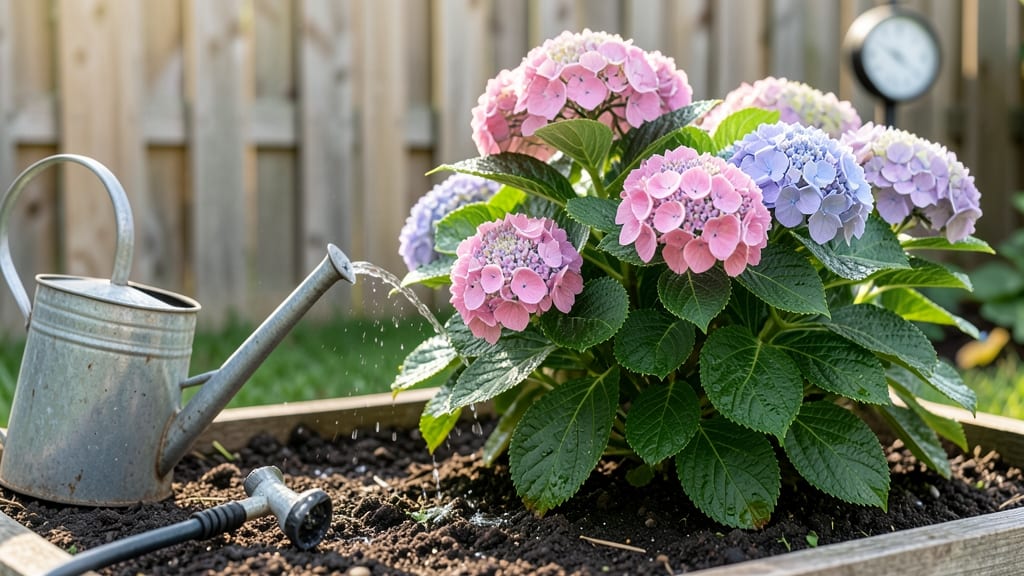
The best time of day to water a garden is early morning between 4 AM and 8 AM, when temperatures are cool, evaporation is minimal, and plants absorb moisture efficiently before the sun intensifies. Avoid evening watering to prevent fungal growth and root rot.
Morning watering gives plants a head start by letting them soak up moisture before the heat of the day kicks in. 💧 This reduces water waste from evaporation and helps roots establish deeper, stronger networks.
I've seen firsthand how plants in my garden perk up faster after morning hydration—especially during dry spells. The cooler air also means less risk of fungal diseases that thrive in damp evening conditions.
That said, your local climate plays a big role. In hot, arid regions, you might need to water slightly later in the morning to avoid rapid evaporation, while humid areas benefit from early watering to prevent standing water.
Container plants and succulents have different needs too—always check soil moisture before setting a strict schedule.
💡 In This Article
- Why Morning Watering Boosts Plant Health
- Adjusting Watering Times for Climate and Plant Types
Why morning watering boosts plant health
Morning watering works because it aligns with how plants naturally absorb moisture. When you water between 4 AM and 8 AM, the cooler air and lower wind speeds mean 30-50% less evaporation compared to midday.
This gives roots time to soak up water before the sun's intensity peaks, reducing stress on plants. Studies show that morning hydration helps roots grow deeper into the soil, seeking out moisture more efficiently—a process called hydraulic lift.
The temperature difference between morning and evening also matters. At dawn, soil temperatures are typically 10-15°F cooler than at dusk, which slows microbial activity that can break down organic matter in the soil.
This preserves soil structure and nutrient availability. Additionally, morning watering creates a gentle humidity spike that lingers until midday, keeping foliage hydrated without promoting fungal spores that thrive in damp evening conditions.
Plants also benefit from a natural circadian rhythm that primes them for morning water absorption. Research from the University of California found that many crops, including tomatoes and peppers, open their stomata (pores) wider in the morning to maximize photosynthesis.
When you water then, you're essentially giving them a pre-loaded hydration boost for the day ahead. This is why morning-watered plants often show 10-20% faster growth rates compared to those watered in the evening.
Evening watering, on the other hand, leaves plants vulnerable to overnight fungal infections like powdery mildew. The combination of damp foliage and cooler temperatures creates ideal conditions for spores to germinate.
I've seen this firsthand in my own garden—tomato leaves watered in the evening developed mildew within 5-7 days, while morning-watered plants stayed healthy for weeks longer. The key difference? Morning watering allows foliage to dry completely by midday.
Another critical factor is how water penetrates the soil. Morning watering takes advantage of capillary action, where water moves upward through soil particles more efficiently when temperatures are cooler. This helps prevent runoff, especially in sandy soils where water can drain too quickly.
In contrast, evening water often sits on the surface longer, leading to up to 40% more water loss through evaporation before roots can absorb it.
Consider this real-world example: In a 100°F desert climate, morning watering at 6 AM ensures soil stays moist for 8-10 hours before the midday heat. The same amount of water applied at 6 PM would evaporate within 3-4 hours, leaving roots thirsty.
This principle applies worldwide—whether you're growing vegetables in a temperate zone or succulents in a Mediterranean climate.