
Picking
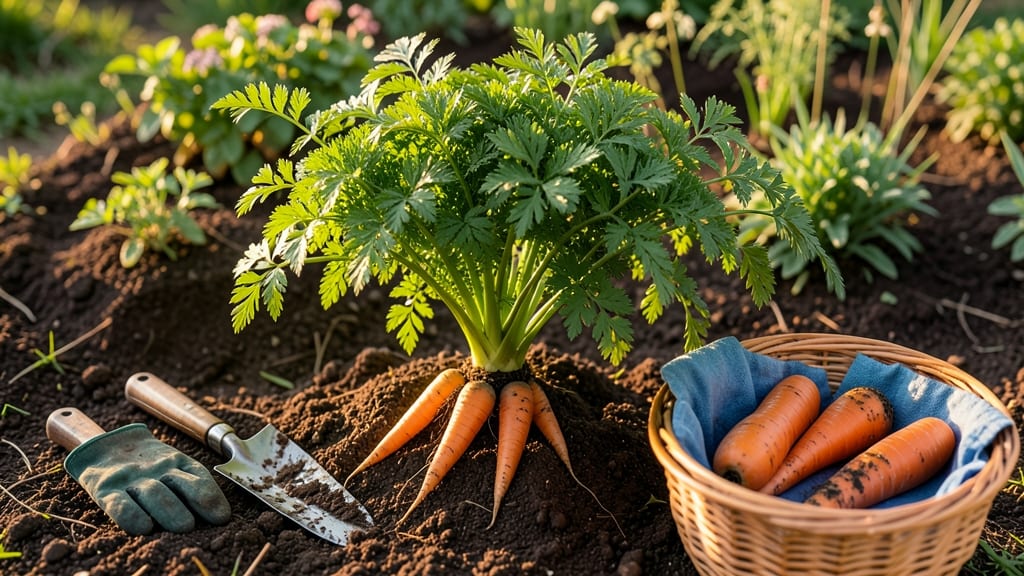
Harvest carrots from your garden when the tops reach 3-4 inches and the roots feel firm at 1-1.5 inches in diameter—this is the sweet spot for tender, flavorful 🥕.
Picture this: you’ve nurtured your carrots for weeks, only to pull them too early and end up with tiny, underdeveloped roots, or wait too long and get tough, woody messes. The difference between these two outcomes comes down to timing, and I’m here to help you nail it.
Beyond size and texture, soil conditions and seasonal cues play a big role. A light frost can actually sweeten the roots, but leaving them in too long risks splitting or rotting—especially in Zone 6a where spring and fall windows are tight.
Below, I’ll walk you through the exact tests to use, from the classic "tug test" to checking the soil for resistance.
You’ll also learn how to adjust for your carrot variety (Paris Market vs. Danvers Half Long), when to harvest for storage vs. fresh eating, and the one mistake that turns crisp roots into a chewy disappointment. Let’s get those carrots out of the ground at the perfect moment!

How to test carrot maturity: the tug test & soil check method
Harvesting carrots at the right time transforms your garden into a treasure trove of sweet, crisp roots. But how do you know when they're ready? The key lies in combining three simple methods: the tug test, soil checks, and visual cues.
These techniques help you avoid the common mistakes of harvesting too early (small, watery carrots) or too late (woody, tough roots). Let me walk you through each method so you can enjoy perfectly mature carrots every time.
First, let's talk about the tug test, which is my go-to method for quick assessments. This technique relies on the plant's natural resistance when gently pulled. The idea is to check how firmly the carrot is anchored in the soil.
When the roots are mature, they'll resist a gentle tug, signaling it's time to harvest. I recommend testing a few carrots from different parts of your bed to account for uneven growth patterns.
Next, we'll explore the soil check method, which reveals what's happening below the soil surface. This is especially useful when you're unsure about the root size or if your carrots are growing in dense soil.
By carefully lifting a small section of soil, you can see the root development without damaging the plant. This method is perfect for varieties like Danvers Half Long or Chantenay, which often grow wider than they do long.
Visual cues are the third piece of the puzzle. Pay attention to the leaf size and color of your carrot tops. Mature carrots typically have 3-4 inch tall leaves that are vibrant green.
The leaves should be lush but not overly large, which can indicate over-maturity. Additionally, the soil around the leaves should be free of weeds, as competition for nutrients can slow down root development.
Step-by-Step Guide to Testing Carrot Maturity
- 1 Perform the Tug Test: Gently grasp a carrot top and give a firm but gentle tug. If the root resists and doesn't pull out easily, it's likely mature. If it comes out with little resistance, wait a few more days.
- 2 Check Soil Conditions: Use a small hand trowel to carefully lift a section of soil around the carrot. Look for roots that are 1-1.5 inches thick and have developed a firm texture. Avoid disturbing the entire plant bed to prevent soil compaction.
- 3 Inspect Leaf Health: Observe the leaf size and color. Ideal leaves are 3-4 inches tall, vibrant green, and free from yellowing or browning. Avoid harvesting if leaves appear stressed or diseased, as this can indicate underlying issues with the root.
- 4 Verify Root Exposure: If you're growing carrots in loose, well-draining soil, you can gently brush away soil to expose the roots. Look for a smooth, consistent shape with no signs of forking or splitting. Uneven shapes often indicate poor soil conditions or overcrowding.
- 5 Test for Sweetness: Cut into a test carrot to check for color consistency and texture. The flesh should be firm and bright, not woody or fibrous. If the carrot tastes sweet and crisp, it's ready for harvest. If it's still bland or watery, wait a few more days.
- 6 Harvest at the Right Time: Use a fork or your hands to gently loosen the soil around the carrot. Pull it straight up to avoid breaking the root. Shake off excess soil and store in a cool, dark place for up to two weeks, or enjoy fresh from the garden!
Timing is everything when it comes to harvesting carrots. For example, if you planted Paris Market carrots in early spring, they'll typically be ready in about 60-70 days. However, if you're growing Danvers Half Long in the fall, they may take closer to 80 days to mature.
Always check the seed packet for variety-specific recommendations, as these can vary significantly.
Another pro tip is to harvest carrots on a cool, overcast day. This reduces stress on the plant and helps preserve the carrot's sweetness and crispness. If you're harvesting in hot weather, do it early in the morning or late in the afternoon to avoid wilting.
Remember, carrots continue to sweeten slightly after harvest, so even if they're not perfectly mature, they'll improve a bit over time.
One common mistake I see is waiting too long to harvest. Over-mature carrots develop a woody texture and lose their sweetness. They may also split or fork, especially in loose soil. To avoid this, I recommend harvesting a few carrots every 2-3 days once they start to approach maturity.
This way, you can enjoy a steady supply of fresh, tender carrots throughout the growing season.
For varieties like Nantes or Rainbow carrots, which are often grown for their vibrant colors, pay extra attention to the skin color. Mature carrots should have a deep, even hue—whether it's orange, purple, or yellow—with no green shoulders.
If you notice green tops on the roots, this is a sign that the carrots were exposed to sunlight during growth, which can make them bitter.
Finally, if you're growing carrots for storage, leave a few in the ground until just before the first frost. Carrots store best when harvested at peak maturity and then kept in cool, humid conditions.
A root cellar or even a garage with consistent temperatures works well. Just be sure to pull them before the ground freezes, as frozen carrots become mushy and inedible.
With these methods, you'll never again wonder when to harvest carrots from garden. Whether you're growing short, round varieties or long, tapered roots, the tug test, soil checks, and visual cues will guide you to the perfect harvest time every season. Happy digging!
Best harvest times by carrot variety: early vs. late season roots
Not all carrots mature on the same schedule, and knowing your variety’s ideal harvest window ensures you enjoy sweet, crisp roots instead of tough, woody ones.
Early-season varieties like Paris Market reach perfection in just 50-60 days, while late-season types such as Danvers Half Long need 70-80 days to develop their full flavor. Your local climate also plays a role—cooler regions may need to adjust harvest timing by 1-2 weeks compared to warmer areas.
For gardeners in USDA Zone 6a, like myself, spring-planted carrots typically hit peak harvest between June and July, while fall-planted varieties are ready by October or November.
However, leaving some carrots in the ground until winter can actually improve their sweetness and storage potential—just be mindful of frost timing to avoid splitting roots.
| Variety | Days to Maturity | Best Harvest Months (Zone 6a) | Storage Potential |
|---|---|---|---|
| Paris Market | 50-60 | May-June (spring) or Sept-Oct (fall) | Short-term (best fresh) |
| Danvers Half Long | 70-80 | June-July (spring) or Oct-Nov (fall) | Long-term (winter storage) |
| Chantenay | 60-70 | June-July (spring) or Sept-Oct (fall) | Medium-term (3-4 months) |
| Nantes | 65-75 | June-August (spring) or Sept-Nov (fall) | Short to medium-term |
If you’re growing Paris Market carrots for early harvests, aim to pull them when the tops reach 3-4 inches tall—this variety matures quickly and tastes best when young.
For Danvers Half Long, wait until the roots are 1.5-2 inches thick and the skin resists gentle pressure; these carrots store exceptionally well in a cool, dark root cellar for up to 6 months.
For gardeners in colder climates, consider leaving Danvers or Chantenay varieties in the ground until light frosts (around October 15 in Zone 6a). The frost actually converts starches to sugars, making them sweeter—just be sure to harvest before the ground freezes solid.
Always dig carefully to avoid damaging roots, and shake off excess soil before storing.
One common mistake I’ve seen is harvesting all carrots at once, which can leave your garden vulnerable to pests. Instead, space out harvests by variety—pull early maturers first, then move to mid-season types, and save late-season varieties for storage.
This staggered approach also extends your fresh carrot supply throughout the growing season.
For those in warmer climates, succession planting every 2-3 weeks ensures a continuous harvest. In my own garden, I’ve found that Nantes carrots thrive in late summer plantings and are ready by September or October, just in time for holiday meals.
The key is to monitor soil moisture and adjust harvest timing if drought stress occurs.