
Container Gardens
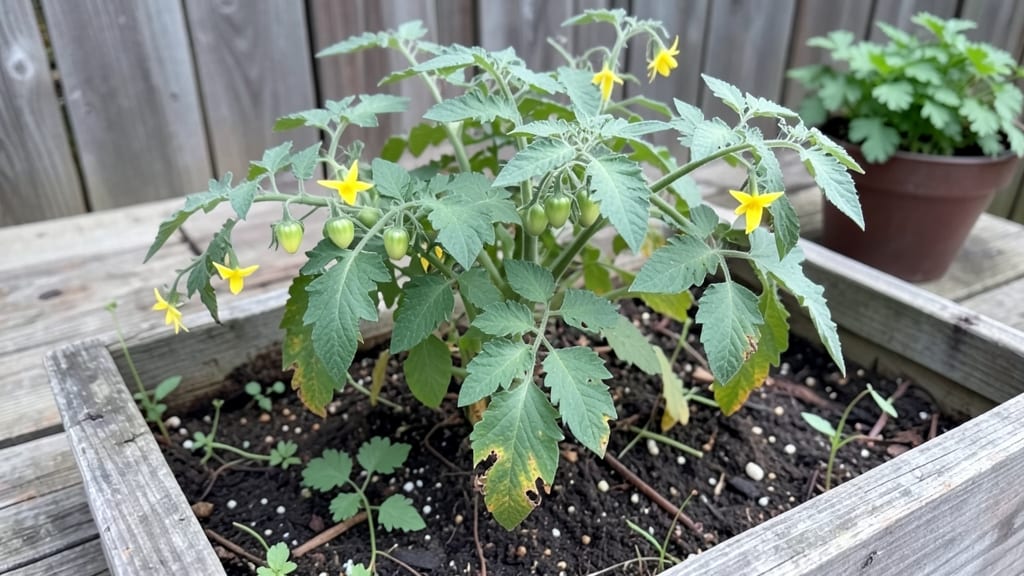
A deck veggie garden turns tiny spaces into productive oases where you can harvest fresh tomatoes, peppers, and herbs year-round. 🌱 I’ve grown more food on my balcony than in my backyard, and the secret isn’t fancy setups—it’s smart container choices, sunlight tracking, and plants that thrive in tight quarters.
The right setup means choosing lightweight containers with drainage, placing them where they get at least 6 hours of sun, and picking compact varieties like ‘Tiny Tim’ tomatoes or ‘Thai’ basil.
Most people overlook how much you can grow in 5-gallon buckets or vertical pockets—my 6-foot railing now holds enough greens for salads all summer.
By late spring, you’ll be snipping fresh basil for pesto and plucking ripe cherry tomatoes straight from your deck. The best part? No weeding, no bending over, and no wasted space. Even in winter, cold-hardy kale and spinach keep producing when you add grow lights or move pots indoors.
Works for any deck, patio, or balcony—urban apartments or suburban backyards alike. Let’s get those containers filled and growing!
📚 In This Guide
- What you need
- Instructions
- Tips and common mistakes
- Wrapping up and next steps
What you need
- ● Deck planter boxes: 2–4 containers (12"–18" deep, 10"–12" wide). Tip: Choose lightweight materials like cedar, resin, or recycled plastic.
- ● Growing medium: High-quality potting mix (1–2 bags per box) or a blend of 60% compost, 30% coconut coir, and 10% perlite.
- ● Drainage: Gravel or landscape fabric (1–2 inches) to prevent root rot.
- ○ Watering system: Self-watering planters (optional but handy for busy bees!)
- ● Watering can (1–2 gallons) or drip irrigation kit.
- ● Fertilizer: Slow-release organic granules (e.g., fish emulsion or worm castings) or liquid fertilizer.
- ● Seeds/seedlings: Choose compact varieties like: Leafy greens (lettuce, spinach, kale)
- ● Herbs (basil, parsley, chives)
- ● Dwarf tomatoes or peppers
- ● Garden gloves and knee pads for comfy planting.
- ● Pest control: Neem oil, row covers, or beneficial insects (like ladybugs).
- ● Sun/shade cloth to protect tender plants.
- ● Portable grow lights (for winter or low-light decks).
- ● Label markers to track plant varieties.
How to build a deck veggie garden that thrives year-round
Here’s the system I’ve perfected for growing fresh produce in limited space—no yard required.
🪴 Step 1: Select and Prep Containers for Optimal Drainage
Start with containers that have drainage holes—this prevents root rot, which is the silent killer of deck gardens. I like fabric grow bags or plastic pots with holes because they’re lightweight and allow excess water to escape. If your deck gets wet, elevate pots on feet or cinder blocks to avoid soggy soil and mold.
Line the bottom of each container with 1-2 inches of gravel or broken pottery—this creates a reservoir for water while keeping roots above the drainage layer. Use the 3 gallons of potting mix you’ve prepped, mixing in 1 cup of compost for nutrients. Fill containers 1 inch below the rim to prevent spills when watering.
☀️ Step 2: Position for Sunlight and Wind Protection
Most deck veggies need 6+ hours of direct sun daily, but placement matters more than you’d think. Place containers on the south or west side of your deck for maximum sunlight. If your deck is shaded, opt for leafy greens (like lettuce or spinach) instead of sun-hungry tomatoes or peppers.
Protect plants from wind by placing them near rails or walls—a sudden gust can dry out soil or snap tender seedlings. I’ve seen basil plants wilt overnight when exposed to afternoon breezes. If your deck gets windy, add a small windbreak like a lattice screen or even a folded towel draped lightly over the pots.
🌱 Step 3: Plant for Success with the Right Spacing
Deck gardens thrive on vertical and compact planting. Use the 1 packet of fast-growing seeds (like lettuce or radishes) and sow them ¼ inch deep, spacing seeds 1-2 inches apart in rows. For transplants (like herbs or cherry tomatoes), dig holes twice as wide as the root ball and place them 6-12 inches apart, depending on the plant’s mature size.
Here’s the thing—crowding kills yields. If you plant too close, airflow suffers, and diseases like powdery mildew move in fast. For 4 plants, a 12-inch pot works for herbs, while 5-gallon containers are better for tomatoes or peppers. Label each pot with the plant name and date—trust me, you’ll forget by harvest time.
💧 Step 4: Water Smartly to Avoid Common Pitfalls
Deck gardens dry out faster than ground plots, so water early in the morning to let soil absorb moisture before the heat of the day. Use the 1-gallon watering can and water deeply until it drains from the bottom—this encourages roots to grow downward instead of sitting at the surface.
Check soil moisture by sticking your finger 1 inch deep—if it feels dry, water again. Overwatering is just as bad as underwatering; yellowing leaves usually mean you’re drowning the roots. Mulch with 1 inch of straw to retain moisture and keep soil temperatures stable, especially in hot afternoons.
✂️ Step 5: Maintain and Harvest for Continuous Yields
Prune regularly to encourage bushier growth—pinch off the top sets of leaves on tomatoes and side shoots on herbs to redirect energy to fruiting. Harvest leafy greens by cutting outer leaves (not the center) so the plant keeps producing. For radishes or beans, pick when young for the best flavor—waiting too long makes them tough.
Fertilize every 4-6 weeks with ½ cup of balanced fertilizer (10-10-10) mixed into the soil. I’ve seen pepper plants bolt (flower too early) when stressed, so keep soil consistently moist but not soggy. Rotate crops yearly to prevent soil depletion—swap tomatoes for greens or beans next season.
Tips & tricks for perfect deck veggie gardens
Small spaces don't mean small harvests—here's how to maximize your deck garden's potential with these game-changing strategies.
Container Material Matters: Fabric grow bags breathe better than plastic, preventing root rot in humid conditions, but plastic retains moisture longer in dry climates. I've seen basil thrive in fabric bags during summer downpours while struggling in plastic when I forgot to water. For tomatoes, the extra breathability prevents blossom end rot caused by inconsistent moisture.
Sunlight Strategy for Shaded Decks: If your deck only gets 4-6 hours of sun, prioritize leafy greens like kale or Swiss chard—they tolerate partial shade better than sun-lovers. For herbs, basil needs full sun but parsley and cilantro can handle morning sun with afternoon shade. I've grown thriving lettuce mixes under a 50% shade cloth when direct sun wasn't available.
Soil Science Secret: The 3 gallons of potting mix should contain 20% perlite or vermiculite to improve aeration—this prevents that compacted soil feeling that strangles roots. I mix in 1 cup of worm castings instead of regular compost for extra microbial activity. For containers deeper than 12 inches, add a layer of coconut coir at the bottom to improve water retention in the root zone.
Watering Hack: That 1-gallon watering can should be filled with room-temperature water—cold water shocks roots. I've found that watering at the soil base (not leaves) prevents fungal diseases like powdery mildew, which I've battled with tomatoes on windy decks. For consistent moisture, consider a drip irrigation system with emitters—it delivers water exactly where roots need it, especially important for those 6+ hours of direct sun exposure.
Pro Tips for Deck Veggie Garden
- Small spaces don't mean small harvests—here's how to maximize your deck garden's potential with these game-changing strategies.
- Container Material Matters: Fabric grow bags breathe better than plastic, preventing root rot in humid conditions, but plastic retains moisture longer in dry climates.
- Sunlight Strategy for Shaded Decks: If your deck only gets 4-6 hours of sun, prioritize leafy greens like kale or Swiss chard—they tolerate partial shade better than sun-lovers.
Frequently asked questions
Got questions about starting your own deck veggie garden? You’re not alone! Here are some common queries—plus easy answers to help you grow with confidence.
How much sunlight does a deck veggie garden need?
Most vegetables thrive with at least 6 hours of direct sunlight daily. Leafy greens (like lettuce or spinach) can tolerate partial shade, but sun-loving crops (tomatoes, peppers, or herbs) need full sun. If your deck is shady, opt for compact varieties or supplement with grow lights.
When’s the best time to start a deck veggie garden?
Spring (after the last frost) and early summer are ideal for most plants. For year-round growing, start with cold-hardy crops like kale or radishes in late winter/early spring and warm-season veggies (like beans or cucumbers) in late spring/summer. Container gardens warm up faster than soil, so you can often plant earlier!
What’s the easiest vegetable to grow on a deck?
Look for low-maintenance, compact varieties! Herbs (basil, mint, or parsley) are foolproof, while bush beans, cherry tomatoes, and leafy greens (like arugula) grow quickly and thrive in small spaces. Start with these to build confidence before tackling bigger plants.
How do I protect my deck veggie garden from cold weather?
Wrap containers in bubble wrap or frost cloth on chilly nights, and move pots to sheltered spots (like a covered porch). For frost-sensitive plants, harvest herbs or move tender greens indoors. Cold frames or cloches (mini greenhouse covers) also work wonders for extending the season!
What if my deck plants aren’t growing well?
Troubleshooting tips.
Check these common issues:
Yellow leaves? Could mean overwatering (let soil dry slightly between waterings).
Stunted growth? Ensure containers have drainage holes and use well-draining soil.
Pests? Spray off bugs with soapy water or use neem oil.
Not enough fruit? Fertilize lightly with compost or organic pellets.
Most problems are fixable—just adjust care and watch your garden thrive!Wrapping up and next steps
Creating a deck veggie garden is a rewarding way to enjoy fresh, homegrown produce—no matter how small your space! With the right containers, sunlight, and care, you can transform even a tiny balcony or deck into a thriving mini-farm.
Whether you’re a beginner or a seasoned gardener, the key is to start small, stay consistent, and have fun with the process.
Ready to take the next step? Pick your favorite veggies, grab your supplies, and plant your first seeds today! 🌱 Your future harvests (and bragging rights) are waiting.