
Trees
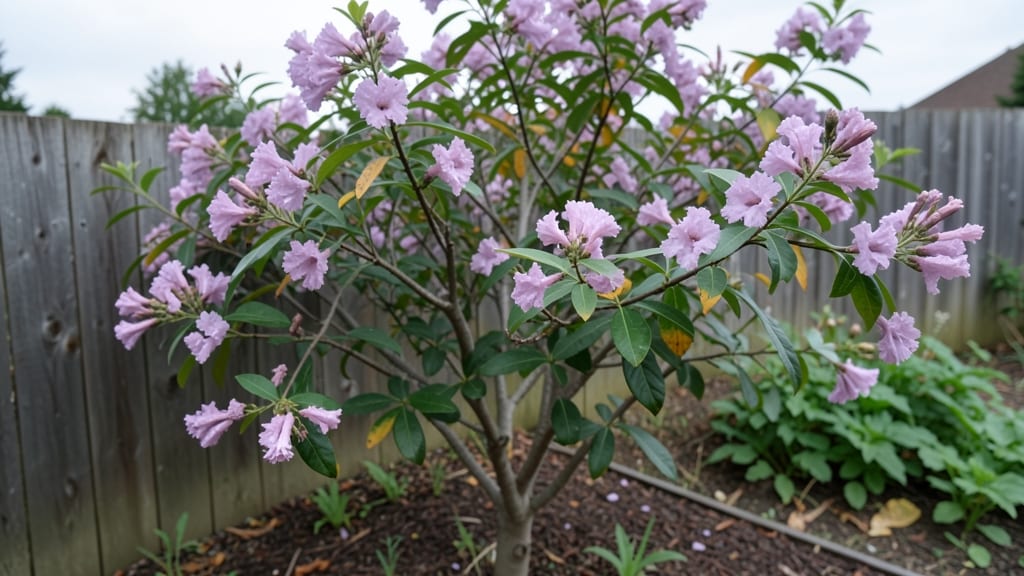
A crepe myrtle garden transforms any yard into a four-season showstopper with its showy blooms and striking bark, all while demanding less fuss than most plants.
Imagine a garden that bursts with vibrant blooms in summer, retains striking bark texture in winter, and requires minimal effort to thrive—all thanks to the versatile crepe myrtle.
This hardy plant is the secret weapon for effortless beauty, but planting and caring for it properly ensures it becomes the star of your landscape.
Perfect for USDA Zone 6a and beyond, crepe myrtles thrive in full sun and handle drought once established, making them ideal for busy gardeners or those with dry climates.
Their adaptability means they work as standalone specimens or in mixed borders, adding height and drama without the high-maintenance upkeep of other ornamentals.
In this guide, I’ll walk you through everything you need to know—from choosing the right variety and planting in spring (April–May) to simple care tips that keep your crepe myrtle looking its best year-round. Ready to add a touch of elegance with minimal work?
How to plant crepe myrtle trees for maximum growth and blooms
Planting crepe myrtle trees correctly is the foundation for a stunning, low-maintenance garden feature. These drought-tolerant beauties thrive with proper soil prep and sun exposure, but many gardeners make critical mistakes that stunt their growth.
Whether you're planting a dwarf variety or a towering standard tree, following these steps ensures vibrant blooms and healthy foliage for years.
Timing is everything when planting crepe myrtles. The ideal planting window is after your last frost date—typically April to May in most USDA Zone 6a regions—when soil temperatures reach at least 60°F.
Planting too early risks frost damage, while waiting too long may stress young roots before summer heat arrives.
Step-by-Step Crepe Myrtle Planting Guide
-
Step 1: Choose the Perfect Location
Select a spot with full sun exposure (6+ hours daily) and well-draining soil. Avoid low-lying areas where water pools, as crepe myrtles hate soggy roots. A south-facing location maximizes bloom potential. -
Step 2: Test and Amend Your Soil
Crepe myrtles prefer slightly acidic to neutral soil (pH 6.0-7.0). Test your soil and amend with compost or sand if it's heavy clay. Mix in a balanced fertilizer (10-10-10) to give your tree a nutrient boost at planting. -
Step 3: Dig the Right-Sized Hole
Dig a hole twice as wide as the root ball but no deeper. The top of the root ball should sit 1-2 inches above ground level to prevent waterlogging. Loosen the sides of the hole to encourage root spread. -
Step 4: Remove the Tree from Its Container
Gently squeeze the sides of the container to loosen the root ball. If roots are circling, tease them apart with your fingers. Avoid damaging the taproot, which is critical for stability. Place the tree in the hole so it stands straight. -
Step 5: Backfill and Water Thoroughly
Fill the hole with native soil, tamping down lightly to remove air pockets. Water deeply to settle the soil and eliminate gaps. A deep soak (2000-3000ml) helps roots establish quickly in their new home. -
Step 6: Apply Mulch and Space Properly
Spread 2-3 inches of mulch around the base, keeping it 6 inches away from the trunk to prevent rot. Space trees 6-10 feet apart for dwarf varieties or 15-20 feet apart for standard sizes to allow for mature growth.
One of the most common crepe myrtle planting mistakes is improper spacing, which leads to crowded roots and poor airflow. Give your trees room to grow—standard varieties can reach 20-30 feet tall, while dwarf types still need 6-10 feet of space.
Overcrowding stresses trees and reduces blooming potential, so plan accordingly.
After planting, focus on watering consistency during the first growing season. Young crepe myrtles need deep watering once a week to encourage deep root growth. Avoid shallow watering, which promotes weak, surface roots that struggle in drought conditions.
Mulching helps retain moisture and regulates soil temperature, reducing stress on your new tree.
Crepe myrtles are low-maintenance powerhouses, but their first year is critical. Protect young trees from late-season frosts by wrapping the trunk with burlap or tree guard if temperatures dip below 20°F.
This simple step prevents bark damage and ensures vigorous growth in spring. With the right planting approach, your crepe myrtle will reward you with season-long blooms and stunning winter bark texture.
For maximum blooms, choose a location with unfiltered sunlight and avoid pruning in late summer or fall. Pruning should happen in late winter or early spring to encourage new growth and abundant flowers.
By following these steps, your crepe myrtle will thrive for decades with minimal effort—truly the garden workhorse you’ve been searching for.
🌸
Low-maintenance crepe myrtle care tips to keep your garden thriving
Crepe myrtles are the dream plants for busy gardeners—packing bold summer blooms and year-round interest with minimal fuss. The key to their success lies in a few simple maintenance routines that maximize beauty while keeping effort low.
Let me share my go-to strategies for watering, pruning, and pest prevention that’ll have your crepe myrtle thriving for decades.
First, let’s address the biggest myth about crepe myrtles: they don’t need constant watering or fussy pruning. Once established, these trees are drought-tolerant powerhouses that reward proper care with prolonged blooming seasons. The secret? Understanding their natural growth patterns and working with them, not against them.
Crepe Myrtle Care: Pros & Cons
- Drought-tolerant once established
- Long blooming season (summer to fall)
- Minimal pest issues with proper care
- Year-round interest with striking bark
- Low-maintenance pruning when done right
- Over-pruning ("crepe murder") reduces blooms
- Poor drainage causes root rot
- Needs full sun for best performance
- Slow growth in first 2 years
- Can attract aphids if stressed
Let’s start with watering, which is where most gardeners go wrong. Young crepe myrtles need consistent moisture—about 1-2 inches per week—but once established (after 2-3 years), they can thrive on rainfall alone.
Water deeply in the morning to encourage deep root growth and reduce fungal risks. Overwatering is the #1 killer of crepe myrtles, so always check the soil moisture before watering again.
Now for the pruning controversy: many gardeners commit crepe murder by pruning too aggressively or at the wrong time. The golden rule? Prune in late winter or early spring (before buds swell) to shape the tree and remove dead or crossing branches.
Never "top" your crepe myrtle—this stunts blooms and weakens the tree. Instead, focus on opening the center for airflow and sunlight, which encourages more abundant flowers.
Soil health is another game-changer for low-maintenance care. Crepe myrtles prefer well-draining soil with a slightly acidic to neutral pH (6.0-7.0). If your soil is heavy clay, amend it with compost or sand before planting.
A 2-inch layer of mulch around the base (but not touching the trunk) helps retain moisture and suppress weeds, cutting down on future maintenance.
Finally, let’s talk pest and disease prevention, which is where crepe myrtles truly shine. These trees are naturally resistant to most problems, but aphids and powdery mildew can still appear if the plant is stressed.
To prevent issues, water at the base (not overhead), avoid over-fertilizing, and remove fallen leaves in autumn. If you spot aphids, blast them off with a strong stream of water—no harsh chemicals needed!
With these simple strategies, your crepe myrtle will reward you with vibrant blooms, healthy growth, and effortless beauty year after year. The best part? You’ll spend less time fussing and more time enjoying your garden’s standout star. 🌸