
Size
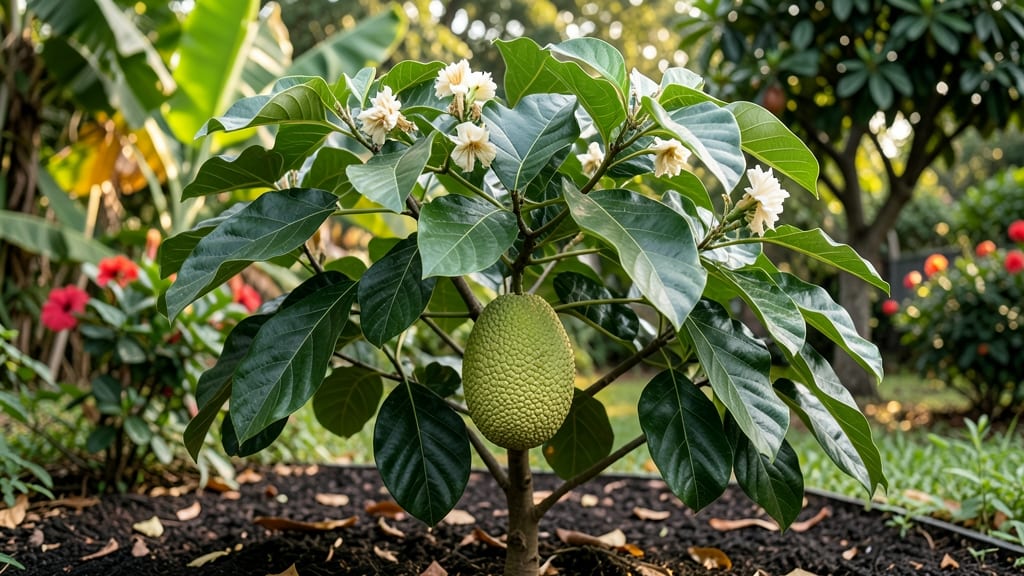
Yes, sugar apple is a tropical fruit that can grow in a garden with proper care, thriving in USDA zones 10-12 but requiring container cultivation or greenhouse protection in cooler climates. It prefers warm temperatures, high humidity, and well-draining soil for optimal fruit production.
Sugar apple trees, also called chirimoya, originate from South America's tropical highlands but can adapt to home gardens with the right conditions. 🌿 Unlike hardy citrus trees, they're sensitive to frost—even a light freeze can damage leaves or kill the plant.
That's why container growing or greenhouses become essential outside their native zones. The key to success lies in mimicking their natural environment: warm days (75-85°F), high humidity, and partial shade during peak afternoon sun.
Many gardeners swear by using a mix of peat moss and perlite to keep roots aerated while preventing waterlogging.
Here's what sets sugar apple cultivation apart: these trees produce delicate white flowers that must be hand-pollinated for fruit to develop. Without this step, you might see blooms but no fruit.
In cooler climates, overwintering containers in unheated garages or sheds (where temps stay above 40°F) can extend the growing season. I've found that dwarf varieties like 'F12' are perfect for containers, producing fruit in just 3-4 years with proper care.
💡 In This Article
- Sugar Apple Plant Requirements for Garden Cultivation
- Step-by-Step Guide to Growing Sugar Apple Trees in Containers
Sugar apple plant requirements for garden cultivation
Sugar apple trees—scientifically known as Annona squamosa—evolved in tropical highland regions where daytime temperatures consistently stay between 75-85°F and nighttime lows rarely dip below 60°F. This tropical heritage explains why they struggle in temperate climates: their leaves contain thin, waxy cuticles that can't withstand frost damage.
Even a single night below 32°F can cause irreversible harm, turning vibrant green foliage brown within hours. The plant's vascular system, optimized for warm climates, freezes when exposed to cold, disrupting nutrient transport and often killing the tree.
Their native habitats also receive high humidity (70-80%) and partial shade from taller canopy trees, which protects them from intense midday sun. In garden settings, this translates to morning sun and afternoon shade—especially in zones 9-11 where afternoon temperatures can exceed 90°F.
The roots need well-draining soil with a pH between 6.0-7.5, rich in organic matter like composted leaves or coconut coir. Unlike citrus, sugar apples hate soggy roots, so raised beds or containers with drainage holes become essential in areas with heavy rainfall.
What most gardeners overlook is the plant's watering paradox: it craves moisture but detests waterlogged soil. The ideal approach is deep watering 2-3 times per week during growing season, letting the top 2 inches of soil dry between sessions.
In containers, this means checking moisture levels daily—overwatering triggers root rot, while underwatering causes fruit to split or drop prematurely. Mulching with straw helps retain humidity while suppressing weeds, mimicking the forest floor conditions where wild sugar apples thrive.
Container growing extends their range by allowing movement to sheltered spots during cold snaps. A 15-gallon pot works for dwarf varieties, filled with a mix of 60% peat moss, 20% perlite, and 20% compost.
The container's dark color absorbs heat, raising soil temperatures by 5-10°F compared to surrounding ground—critical for root health in cooler zones. For greenhouse cultivation, maintain 65-75°F temperatures year-round and use a humidifier to prevent leaf curl, a common stress symptom in dry environments.
Light exposure is another critical factor: sugar apples need 6-8 hours of direct sunlight daily but perform best with dappled shade during peak heat. In full sun, leaves scorch within weeks, while too little light leads to sparse flowering.
The solution? Place containers near a south-facing wall or use 50% shade cloth during summer afternoons. This balance maximizes photosynthesis while protecting delicate foliage—a lesson I learned after losing my first tree to sunburn in Florida's 100°F+ summers.
Finally, understand that sugar apples are slow growers compared to citrus. Dwarf varieties take 3-5 years to bear fruit, while standard trees may need 7-10 years. Patience pays off: a mature tree produces 50-100 fruits per season, each weighing 4-8 ounces and packed with custard-like pulp.
The key to accelerating fruit production is consistent care—especially during the first two years when establishing a strong root system.