
Flowers
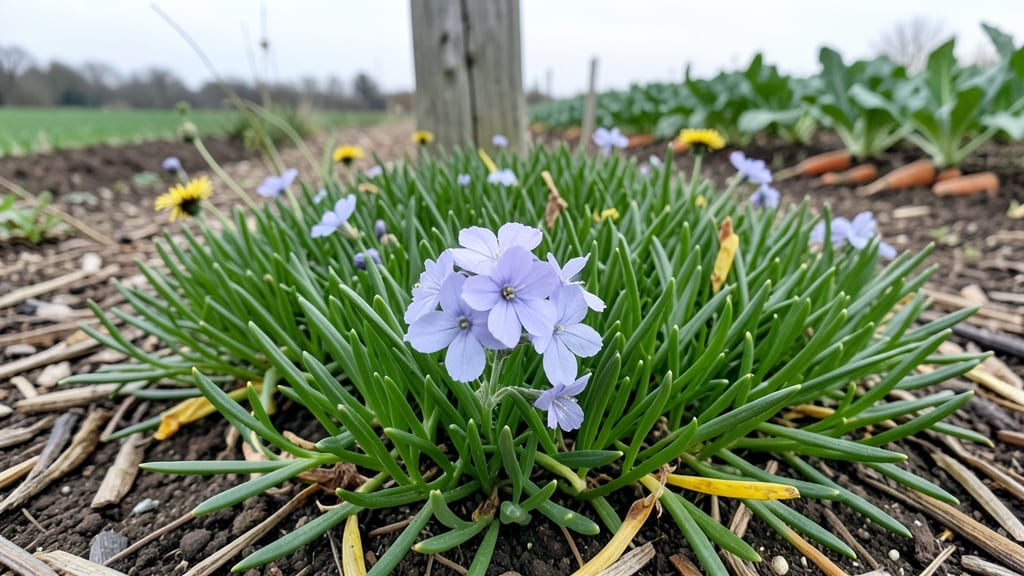
A creeping phlox garden turns dull patches into bursting color with almost no effort—just plant it, water it occasionally, and watch it spread like a living carpet 🌸.
Picture this: no more weeding, no more barren soil, just months of blooms that attract pollinators while keeping erosion in check. That’s the magic of creeping phlox, a ground cover so tough it thrives in USDA Zone 6a with minimal fuss.
Whether you’re filling slopes, lining walkways, or spilling it over container edges, this plant delivers year-round interest—spring blooms, summer foliage, and even winter charm if you leave the dead stems for texture. It’s the secret weapon for gardens that want beauty without the upkeep.
In this guide, I’ll walk you through planting in March-April, pairing it with the right neighbors, and keeping it lush with just one cup of water per week. Skip the guesswork and start your no-fail garden today.
How to plant and establish a thriving creeping phlox ground cover
Creeping phlox is one of the easiest and most rewarding ground covers to establish in your garden. With its vibrant blooms and low-maintenance nature, it transforms bare spots into lush, colorful carpets.
The key to success lies in proper planting timing, soil preparation, and early care—all of which I’ll walk you through step by step.
Whether you're a beginner or a seasoned gardener, these tips will help you create a dense, thriving phlox ground cover that spreads beautifully year after year.
Unlike many ground covers, creeping phlox thrives in full sun and well-draining soil, making it perfect for slopes, borders, and even container gardens. Its spreading habit suppresses weeds naturally, while its continuous blooms from spring to fall provide long-lasting color.
But to achieve that lush, carpet-like appearance, you’ll need to follow a few critical steps during the initial planting phase. Let’s dive into the process so you can enjoy a stunning, low-maintenance garden with minimal effort.
Step-by-Step Planting Guide for Creeping Phlox
- 1 Choose the Right Time: Plant creeping phlox in early spring (March-April) or early fall (September-October) when temperatures are mild. Avoid planting during extreme heat or frost, as this stresses young plants.
- 2 Prepare the Soil: Test your soil’s pH (ideal range: 6.0-7.0). Amend with compost or aged manure to improve drainage and fertility. Creeping phlox hates soggy soil, so avoid heavy clay without amendment.
- 3 Space Plants Correctly: Space plants 12-18 inches apart for a dense carpet. If using as a border, space them 10-12 inches apart. Overcrowding leads to competition, while spacing too far apart creates gaps.
- 4 Plant at the Right Depth: Dig holes twice as wide as the root ball but only as deep as the container. Gently remove plants from containers and loosen roots if pot-bound. Place plants so the top of the root ball sits flush with soil level.
- 5 Water Thoroughly After Planting: Give newly planted phlox a deep watering to settle the soil and eliminate air pockets. Keep the soil moist but not soggy for the first 2-3 weeks to encourage root establishment.
- 6 Apply Mulch: Spread 2-3 inches of organic mulch (like shredded bark) around plants, keeping it 2 inches away from stems. Mulch retains moisture, suppresses weeds, and regulates soil temperature.
Once your creeping phlox is planted, the next critical phase is early care to ensure it establishes strong roots and fills in quickly. During the first growing season, focus on consistent watering and light fertilization.
Water deeply once a week (or more frequently in extreme heat) to encourage deep root growth. Avoid overhead watering, which can promote fungal diseases. Instead, water at the base of the plant in the morning to allow foliage to dry quickly.
In terms of fertilizing, hold off until the first signs of new growth in spring. Use a balanced fertilizer (like 5-10-10) at half strength to avoid burning young roots. Apply it to the soil, not the foliage, and water it in immediately.
Over-fertilizing can lead to lush foliage but fewer blooms, so moderation is key. If you notice yellowing leaves, this could be a sign of over-fertilization or nutrient imbalance, so adjust accordingly.
One of the most important tasks for maintaining a dense creeping ph
Best companion plants and design ideas for creeping phlox gardens
Creeping phlox thrives when paired with the right companions, creating a year-round visual feast that extends its blooming season. The key is selecting plants that complement its low-growing habit while offering contrasting textures and seasonal interest.
For example, pairing it with early spring bulbs like crocus or late-season annuals like pansies ensures your garden stays vibrant from March through November.
Designing with creeping phlox also means thinking about height layers and color themes. Its 6-12 inch height makes it perfect for borders, slopes, or containers, where it can spill over edges beautifully.
Whether you prefer monochromatic schemes or bold contrasts, strategic pairings will elevate your garden's impact without requiring extra maintenance.
For slope gardens, creeping phlox works wonders when combined with erosion-control plants like sedum or creeping thyme. These pairings create a living carpet that stabilizes soil while adding color.
On flat borders, try mixing it with low-growing rosemary or heuchera for a fragrant, textured edge that thrives in full sun conditions.
Containers offer another fantastic opportunity to showcase creeping phlox. Pair it with trailing lobelia or calibrachoa for a spiller-thriller-filler combo that cascades beautifully. Use terracotta pots to enhance the vibrant pinks and purples of popular varieties like 'Obsession' or 'Sherwood Purple'.
Add a dwarf conifer like 'Blue Rug' juniper to the center for year-round structure.
When planning color-themed gardens, creeping phlox adapts beautifully to monochromatic schemes (e.g., all shades of blue) or complementary contrasts (e.g., purple phlox with yellow coreopsis). For a romantic cottage garden, mix it with white alyssum and lavender for a soft, dreamy effect.
In modern designs, pair it with silver foliage plants like lamb's ear for a sleek, contemporary look.
Remember to deadhead spent blooms regularly to encourage continuous flowering, and mulch with organic matter to retain moisture. With these companion plants and design ideas, your creeping phlox garden will become the showstopper of your landscape—effortlessly beautiful and full of life.