
Pests
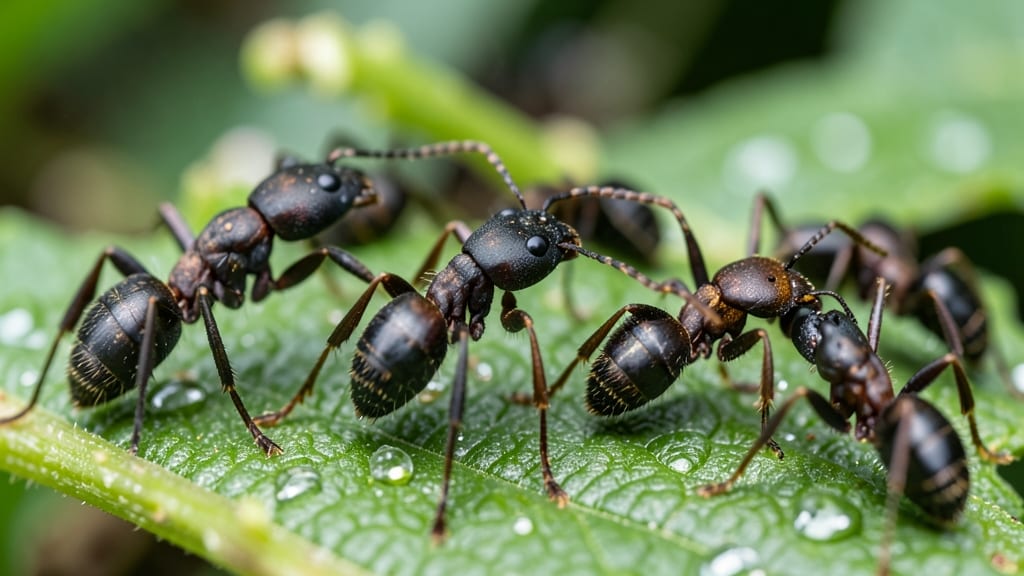
Ants are beneficial to a garden as they aerate soil, disperse seeds, and control pests like aphids, though certain species may damage plants or disrupt ecosystems if overpopulated.
Ants act as nature's garden helpers by creating tunnels that improve soil drainage and oxygen flow, which strengthens root systems. 🌱 Their seed-dispersal habits also boost plant diversity, while many species prey on harmful insects like aphids.
However, fire ants or carpenter ants can harm plants or structures, so identifying their behavior is key to maintaining balance.
These tiny workers break down organic matter into nutrient-rich compost, feeding beneficial microbes that plants rely on. The trade-off? Some ants farm aphids for honeydew, protecting pests that weaken your garden.
I always monitor ant trails—if they're heading toward my veggies, it's time for organic interventions like diatomaceous earth or citrus sprays.
💡 In This Article
- How Ants Improve Soil Health and Plant Growth
- Managing Ants in Your Garden: Balancing Benefits and Drawbacks
How ants improve soil health and plant growth
Ants act as nature's underground plumbers by creating intricate tunnel systems that aerate compacted soil.
These tunnels improve water drainage by 30-50% compared to undisturbed soil, allowing roots to access oxygen more efficiently. 🌱 The tunnels also create pathways for beneficial microbes and fungi, which break down organic matter into plant-available nutrients like nitrogen and phosphorus.
Studies show that gardens with active ant colonies often have 20% more microbial diversity in the top 6 inches of soil, which directly supports plant health.
Their seed dispersal habits are equally impressive. Ants like harvester ants carry seeds away from parent plants, burying them as food stores. This process can increase seed germination rates by up to 40% for certain species, as the seeds get planted at optimal depths.
For example, desert plants like creosote bush rely heavily on ants for dispersal—their seeds have special elaiosomes (oily appendages) that ants find irresistible. This natural seed banking also helps maintain plant genetic diversity in ecosystems.
Ants also play a crucial role in pest control through their predatory behavior.
Worker ants consume thousands of aphids, mites, and other soft-bodied insects annually, acting as a natural check on populations that would otherwise devastate plants. 🌿 The key is their speed—ants can respond to pest outbreaks within 24-48 hours, often before these pests become visible to gardeners.
However, this benefit comes with a catch: some ants actively "farm" aphids, protecting them in exchange for honeydew, which creates a trade-off gardeners must carefully manage.
Beyond these direct benefits, ants contribute to soil chemistry by accelerating the decomposition of organic matter. Their acidic stomachs break down complex compounds into simpler forms that beneficial bacteria can further process. This creates a nutrient-rich environment where plants thrive.
For instance, leafcutter ants in tropical regions process 15-20 tons of plant material per acre annually, effectively composting it into soil-enriching humus. The trade-off? Their tunnels can sometimes become too extensive, disrupting root structures of shallow-rooted plants like lettuce or strawberries.
Consider the case of pavement ants in suburban gardens. These species create shallow tunnels that improve surface soil structure, making it easier for seedlings to establish roots. However, their mounds can become problematic if they accumulate near plant bases, blocking water flow.
The solution? Gently redistribute the soil around affected plants while leaving the tunnels intact to preserve their soil-aerating benefits. This balance is what makes ants such fascinating—and complex—garden allies.
What most gardeners don't realize is how ants influence plant growth indirectly. Their activities stimulate the growth of mycorrhizal fungi, which form symbiotic relationships with 90% of plant species. These fungi extend the plant's root system, increasing water and nutrient uptake by up to 80% in some cases.
The ants' tunneling creates ideal conditions for these fungal networks to develop, creating a positive feedback loop that benefits both the ants and the plants they inhabit.