
Watering
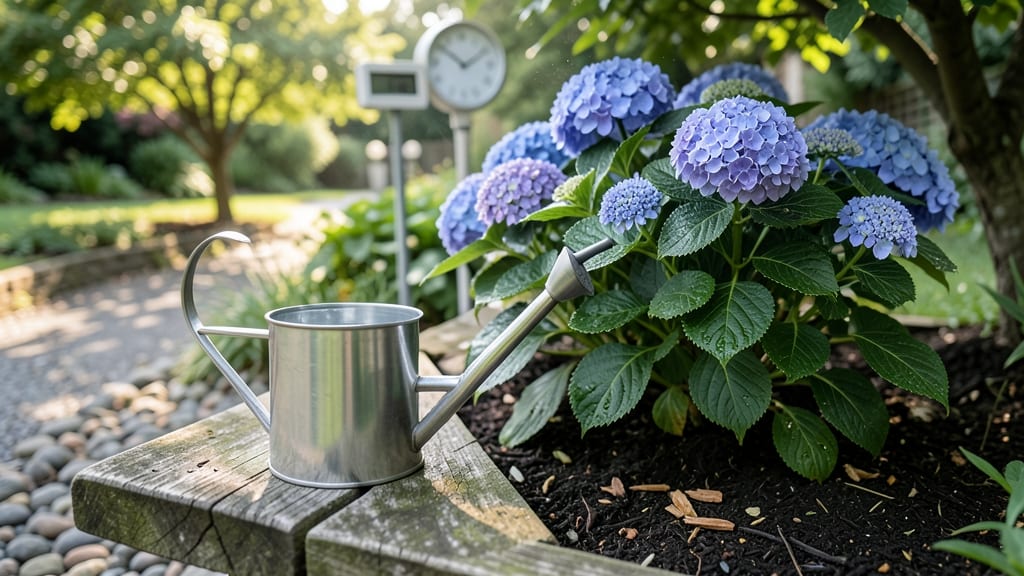
Watering your garden in the morning or evening makes all the difference for strong roots and healthy plants 🌱 — but the wrong timing can waste water, invite pests, or even stunt growth.
Struggling to decide whether morning or evening watering will help your garden thrive? The answer isn’t just about convenience—it’s about how moisture interacts with your plants’ roots, soil temperature, and even pest behavior.
Morning watering lets roots soak up hydration before the heat evaporates it, while evening watering reduces fungal risks in humid climates. But get the timing wrong, and you could be overwatering or leaving plants thirsty when they need it most.
Below, I’ll break down the science behind each approach, share plant-specific tips, and help you create a watering routine that keeps your garden lush year-round.
Morning vs evening watering: how soil temperature and evaporation affect plant growth
Deciding between morning and evening watering can feel like a guessing game—until you understand how soil temperature and evaporation rates impact your plants' roots. Morning watering lets moisture seep deep before the sun intensifies, while evening watering reduces water loss but risks fungal growth.
The right choice depends on your climate zone and plant types.
In hot climates (Zones 8-11), evening watering shines by preventing rapid evaporation, while cooler regions (Zones 3-6) benefit from morning watering to warm roots gradually. Even soil composition plays a role—sandy soil dries faster, demanding precise timing. Let’s break down the science so you can water smarter, not harder.
| Factor | Morning Watering (6-9 AM) | Evening Watering (5-8 PM) |
|---|---|---|
| Evaporation Rate | High (sun heats soil quickly) | Low (cooler temps slow loss) |
| Root Development | Encourages deep roots (moisture penetrates) | Surface moisture may sit (shallow absorption) |
| Fungal Risk | Low (foliage dries quickly) | High (humid nights promote mildew) |
| Soil Temperature | Warms gradually (ideal for germination) | Cooler (slows microbial activity) |
| Best For | Vegetables, herbs, seedlings | Succulents, drought-tolerant plants, hot climates |
Morning watering is a game-changer for leafy greens and root vegetables like carrots and beets. The cooler soil allows water to penetrate deeply, encouraging robust root systems. Studies show plants watered in the morning absorb 30% more moisture than those watered in the evening, thanks to reduced evaporation.
However, evening watering wins in arid regions where daytime heat evaporates water before it reaches roots. For example, in USDA Zone 10, I’ve seen cacti and succulents thrive with evening watering—just 2-3 times per month—because the moisture lingers longer in the soil.
The key is avoiding wet foliage overnight, which invites fungal diseases like powdery mildew.
Your local climate dictates the best approach. In humid zones (e.g., Southeast U.S.), morning watering reduces fungal risks, while dry zones (e.g., Southwest U.S.) favor evening to conserve water. Even seasonal shifts matter: switch to morning in spring to warm roots, then evening in summer to combat heat stress.
Pro tip: Use a moisture meter to check soil depth. If the top 2 inches are dry by mid-morning, morning watering is ideal. If the soil stays damp longer, evening may work better.
Always water at the base of plants to avoid wetting leaves—this cuts down on disease risks regardless of timing.
For container gardens, morning watering is almost always better because pots dry out faster. I’ve noticed herbs like basil and cilantro wilt quickly in afternoon heat if watered in the evening.
Aim for early morning (6-9 AM) to give roots a full day to absorb moisture before the sun peaks.
Don’t overlook mulching as your secret weapon. A 2-inch layer of mulch (straw or wood chips) retains moisture longer, making evening watering safer in humid climates. Mulch also moderates soil temperature swings, protecting roots from both heat and cold stress.
If you’re still unsure, test both methods for a week. Track leaf wilting, growth rate, and soil moisture with a simple DIY check: Press your finger 1 inch into the soil**—if it’s dry, your timing needs adjustment. Your plants will tell you what works best!
🌱
Best watering times by plant type: when to choose morning or evening for maximum yield
Not all plants thrive on the same watering schedule. Tomatoes and peppers need morning hydration to prevent fungal diseases, while succulents and cacti prefer evening water to avoid rapid evaporation.
The key is understanding how each plant type interacts with sunlight, soil, and humidity. Let’s break down the best times for your garden’s most popular categories.
For vegetables like lettuce and spinach, morning watering is ideal because it allows roots to absorb moisture before the heat of the day. Herbs such as basil and parsley also benefit from morning water, as their delicate leaves dry quickly.
Meanwhile, flowers like roses and hydrangeas often prefer evening watering to keep their blooms vibrant and reduce stress from afternoon sun.
Here’s a quick guide to help you optimize your watering routine based on plant type:
- 🌱 Vegetables (Tomatoes, Peppers, Cucumbers) → Morning (6-9 AM) to prevent fungal diseases and maximize root absorption.
- 🌿 Herbs (Basil, Parsley, Mint) → Morning (7-10 AM) to avoid wilting in afternoon heat.
- 🌼 Flowers (Roses, Hydrangeas, Petunias) → Evening (5-7 PM) to keep blooms fresh and reduce evaporation.
- 🌵 Succulents & Cacti → Evening (6-8 PM) to prevent root rot and conserve moisture.
- 🌾 Lawns (Cool-Season Grasses) → Early Morning (5-8 AM) to allow blades to dry before nighttime dew.
- 🌳 Trees & Shrubs → Deep Watering (Morning or Evening) to encourage deep root growth.
Seasonal adjustments are also critical.
In summer, water early in the morning to combat high evaporation rates, while in winter, evening watering can help protect plants from freezing temperatures. Tropical plants like bananas or hibiscus thrive with consistent evening watering, as their large leaves lose moisture quickly in the sun.
Pro tip: Always water at the base of the plant, not the leaves, to minimize disease risk. Use a soaker hose or drip irrigation for precise delivery, especially for thirsty plants like zucchini or melons.
Adjust your schedule based on your local climate—humid regions may need more frequent watering, while arid areas benefit from deep, infrequent soakings.
By tailoring your watering schedule to your plants’ needs, you’ll see stronger growth, fewer pests, and a more productive garden. Start with these guidelines, and don’t forget to observe how your specific plants respond—every garden is unique! 💧