
Fertilization
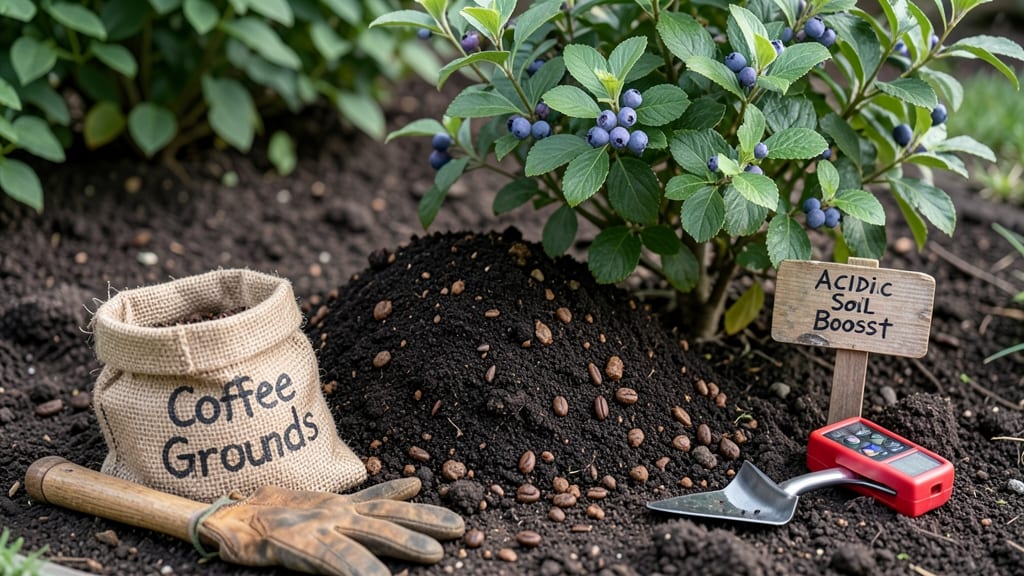
Using coffee grounds in gardening soil improves acidity, adds nitrogen-rich organic matter, and repels pests like slugs, but overuse can compact soil or create mold if not balanced with compost or sand. Apply sparingly as a mulch or mix into beds.
Coffee grounds are a gardener's secret weapon for enriching soil naturally. 🌱 They act as a slow-release nitrogen fertilizer while lowering pH levels—ideal for acid-loving plants like hydrangeas or gardenias. The caffeine in grounds also deters pests without harming beneficial insects.
However, fresh grounds can clump and hinder drainage, so I always recommend composting them first or mixing with coarse materials like sand. Think of them as a nutrient boost, not a standalone solution.
For best results, spread a thin layer (½ inch) around plants or work 1 cup into every 4 gallons of soil. Overdoing it risks creating a soggy, anaerobic environment that breeds mold.
Pair them with compost to balance moisture retention and microbial activity. My go-to method? Use spent grounds as mulch in spring—it suppresses weeds while feeding the soil gradually.
💡 In This Article
- How Coffee Grounds Improve Soil Chemistry and Plant Growth
- Best Practices for Adding Coffee Grounds to Garden Beds
How coffee grounds improve soil chemistry and plant growth
Coffee grounds work their magic primarily through their nitrogen content, which sits around 2% by weight—about half the nitrogen found in fresh manure but released far more slowly. When mixed into soil, these grounds decompose through microbial action, breaking down into ammonium (NH₄⁺) that plants can absorb.
The process also stimulates beneficial soil bacteria and fungi, accelerating nutrient cycling. Unlike synthetic fertilizers that provide quick but short-lived nitrogen spikes, coffee grounds release nutrients gradually over 3-6 months, making them a steady, low-maintenance soil amendment.
The real chemistry happens with pH adjustment—coffee grounds lower soil acidity by contributing organic acids like chlorogenic and caffeic acid. This makes them perfect for acid-loving plants where soil pH needs to stay between 4.5-6.0. For example, blueberries thrive at pH 4.5-5.2, while azaleas prefer 5.0-6.0.
The grounds' ability to buffer pH is why they're often recommended for ericaceous plants, though they won't acidify alkaline soils as dramatically as sulfur or peat moss would. The caffeine content (about 1-2%) also plays a subtle role in pest deterrence by disrupting slug and snail mucus production.
What makes coffee grounds unique compared to other organic amendments is their dual role as both a fertilizer and a soil conditioner. While compost provides a broader spectrum of nutrients, coffee grounds focus on nitrogen and microbial stimulation.
Their fine, gritty texture also improves soil structure by creating tiny air pockets when mixed with sand or perlite, though fresh grounds can compact if used alone. The key is their balance—too much creates an anaerobic environment (smelly, waterlogged soil), but the right amount enhances porosity and water retention.
Think of them as a targeted supplement rather than a complete nutrient solution.
One often-overlooked benefit is their ability to chelate (bind) heavy metals like aluminum and manganese, making these micronutrients more available to plants. This is particularly valuable in acidic soils where these metals can become toxic in high concentrations.
The chelation process happens naturally as the organic acids in coffee grounds form soluble complexes with metal ions. For gardeners dealing with clay-heavy soils, mixing in 1 part coffee grounds to 4 parts soil can improve drainage while adding essential trace elements.
The texture also mimics the natural leaf litter found in forest floors, where plants evolved to thrive.
To see the effects firsthand, try this experiment: Divide a pot into two sections—one with regular potting mix and one with a 20% coffee ground blend. Plant acid-loving begonias in both.
After 8 weeks, you'll likely notice deeper green leaves and more frequent blooms in the coffee-ground-enriched section, thanks to the steady nitrogen supply and improved microbial activity. The difference becomes even more pronounced in container gardens where soil volumes are limited.
Just remember: fresh grounds need 2-4 weeks to decompose before planting sensitive seedlings.
For those concerned about mold risk, the solution is simple: Always compost coffee grounds first or mix them with dry materials like coconut coir or shredded leaves. This prevents clumping and ensures proper aeration.
The microbial boost from coffee grounds actually helps prevent mold by outcompeting harmful fungi—just don't use them in freshly tilled beds where moisture might pool. The ideal scenario? Use them as a top-dressing mulch in spring, where they'll gradually integrate into the soil while suppressing weeds. 🌱