
Tools
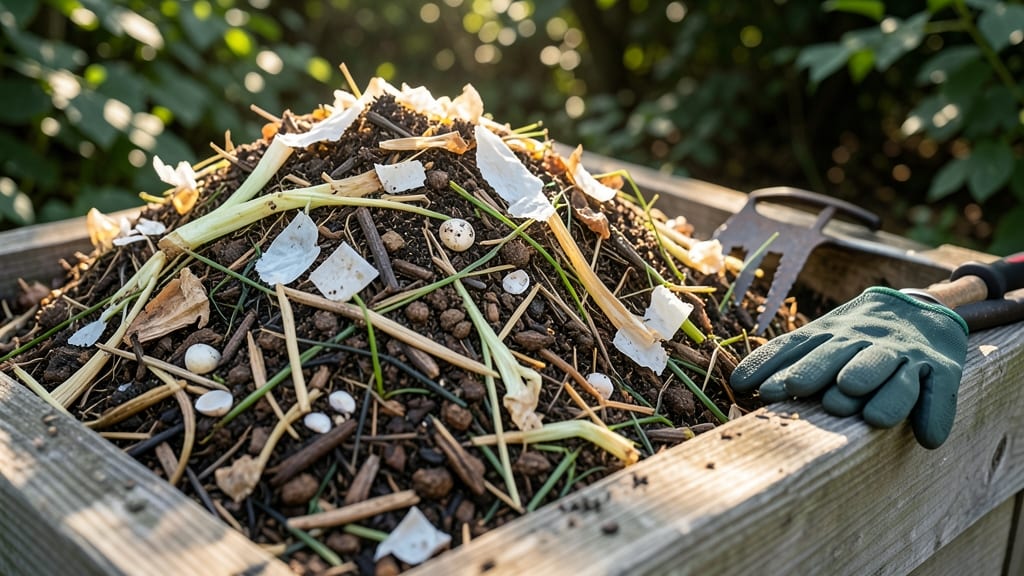
Using shredded paper in gardens suppresses weeds, retains soil moisture, and enriches compost while breaking down naturally over time. It also deters pests like slugs and adds organic matter to poor soil without competing with plant roots.
Shredded paper acts like a natural mulch, blocking sunlight to prevent weed seeds from sprouting while its fibrous texture traps moisture near plant roots. 🌱 Unlike synthetic options, it decomposes into nutrient-rich humus, improving soil structure over time.
I've seen gardeners use it as a protective layer around delicate seedlings or even as a temporary ground cover during heavy rains—its versatility makes it a smart, eco-friendly alternative to traditional mulches.
What's particularly useful is how it integrates with other garden materials. For example, mixing shredded paper with grass clippings creates a faster-breakdown compost blend, while layering it under plants deters slugs by removing their preferred damp environments.
The key is keeping it damp (not soggy) to speed up decomposition—this simple adjustment maximizes its benefits year-round.
💡 In This Article
- How Shredded Paper Improves Soil Health
- Creative Ways to Use Shredded Paper in Garden Layouts
How shredded paper improves soil health
Shredded paper works as a mulch by creating a physical barrier that blocks sunlight from reaching weed seeds, preventing germination. The paper's fibrous structure allows water to penetrate while reducing evaporation, keeping soil consistently moist.
Studies show that organic mulches like shredded paper can retain 30-50% more soil moisture compared to bare ground, which is especially valuable during dry spells. Its porous nature also allows air circulation, preventing the suffocating conditions that can harm plant roots.
The decomposition process transforms shredded paper into nutrient-rich humus over 3-6 months, depending on thickness and moisture levels. Unlike synthetic mulches, it adds carbon to the soil, which microbes convert into beneficial organic matter.
This carbon enrichment improves soil structure, making it easier for roots to penetrate—similar to how compost enhances garden beds but without the need for additional organic waste. The breakdown rate accelerates when mixed with nitrogen-rich materials like grass clippings, creating a balanced decomposition environment.
One key advantage is its pest-deterrent properties. Slugs and snails avoid crossing dry paper barriers, making it an effective natural defense for vulnerable plants. The paper's coarse texture also disrupts the movement of soil-dwelling pests like cutworms.
Unlike wood chips, which can harbor fungal spores, shredded paper remains sterile unless contaminated during processing, reducing disease risks in the garden.
When comparing shredded paper to traditional mulches, it outperforms straw in nutrient contribution but breaks down faster than wood chips. Straw primarily suppresses weeds and retains moisture without adding nutrients, while wood chips provide long-term mulching but decompose slowly.
Shredded paper strikes a balance—it offers weed control and moisture retention in the short term while gradually enriching the soil, making it ideal for both vegetable gardens and ornamental plantings.
For best results, use 2-3 layers of shredded paper, overlapping edges to prevent gaps where weeds might sprout. Water lightly after application to help the layers settle and retain moisture.
Over time, the paper will darken and soften as it decomposes, eventually becoming indistinguishable from the surrounding soil—a testament to its role as a temporary yet transformative garden amendment.
What's often overlooked is how shredded paper can be tailored to specific plant needs. For example, layering it thicker around drought-sensitive plants like tomatoes ensures consistent moisture, while thinner layers around established perennials allow more sunlight to reach the soil without smothering roots.
This adaptability makes it a versatile tool for gardeners of all experience levels.
In my own garden, I've noticed that beds covered with shredded paper stay weed-free for up to 6-8 weeks without additional maintenance, compared to the 2-3 weeks I typically see with straw mulch.
The added benefit of gradual nutrient release means I don't need to amend the soil as frequently, saving both time and resources in the long run. 🌿