
Advice
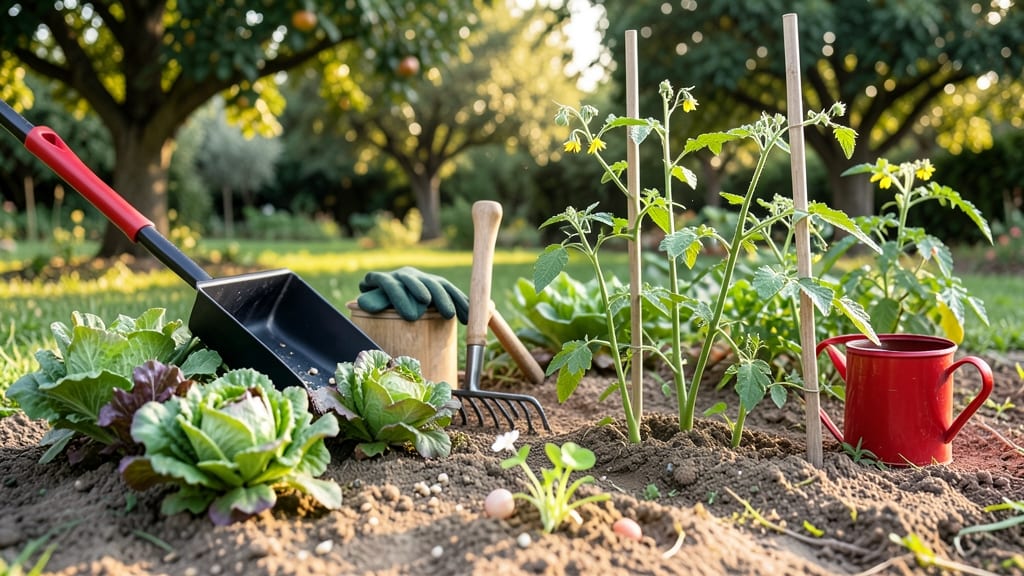
You shouldn't put Preen in a vegetable garden because its active ingredients (like trifluralin or pendimethalin) can harm edible plants by disrupting root and shoot growth, even if applied carefully. Always check the label for vegetable-safe alternatives like corn gluten meal instead.
Preen is a pre-emergent herbicide designed to stop weeds from sprouting by preventing seed germination. 🌱 Unfortunately, it doesn't discriminate—it can also stifle the growth of young vegetable plants, including tomatoes, peppers, and leafy greens.
The chemicals linger in the soil for months, so even careful application might leave residual effects that interfere with your harvest. For a vegetable garden, organic mulches or hand-pulling weeds are far safer options that won't risk your edible crops.
If you're dealing with stubborn weeds, consider alternatives like corn gluten meal (a natural pre-emergent) or landscape fabric to smother weeds without chemicals. These methods protect your plants while keeping your garden weed-free. Always prioritize solutions that support both your soil health and your harvest!
💡 In This Article
- How Preen Works and Why It’s Dangerous for Edible Plants
- Safe Weed Control Alternatives for Vegetable Gardens
How Preen works and why it’s dangerous for edible plants
Preen contains active ingredients like trifluralin or pendimethalin, which are designed to disrupt cell division in plants. These chemicals work by targeting the meristematic cells—areas where new roots and shoots grow—preventing weed seeds from sprouting.
The issue is that edible plants like tomatoes, peppers, and lettuce rely on the same growth processes. When Preen is applied, it forms a chemical barrier in the soil that can persist for 3-6 months, long enough to interfere with your vegetable plants' root development.
The danger lies in how these herbicides interfere with a plant's ability to produce auxin, a natural hormone that regulates growth. Without auxin, young seedlings struggle to develop strong roots or shoots, leading to stunted growth or complete failure to emerge.
For example, a 1-ounce application of trifluralin per 100 square feet can linger in the soil, affecting crops planted even months later. 🌱 This is why Preen is labeled for ornamental gardens—not vegetable patches where you're growing food.
Edible crops are particularly vulnerable because they're often planted at a smaller size or from seed, making them more susceptible to Preen's effects. Leafy greens like lettuce or spinach, which grow quickly and close to the soil, are especially at risk.
Even if you apply Preen carefully, rain or irrigation can spread the chemical beyond your intended area, putting nearby plants in danger. The residual effects mean that even if you plant after the recommended wait time, the soil may still contain enough herbicide to harm your vegetables.
What makes this even trickier is that Preen's effectiveness varies by soil type. Sandy soils allow the chemicals to move deeper, increasing the risk of contamination, while clay soils may trap the herbicide closer to the surface.
This variability means that even experienced gardeners can accidentally harm their crops if they don't account for their soil's unique properties. Always check the label for specific soil conditions and application rates to avoid unintended damage.
Another critical factor is the timing of application. Preen is most effective when applied before weed seeds germinate, but this also means it will block the germination of any seeds you plant in the same area.
For instance, if you apply Preen in early spring to prevent weeds, you won't be able to plant vegetables like radishes or carrots until the chemical has broken down—often not until late summer or fall. This delay can disrupt your planting schedule and reduce your harvest yield.
Consider this real-world scenario: A gardener applies Preen to control crabgrass in their vegetable bed, only to discover that their tomato seedlings fail to sprout weeks later. The herbicide had lingered in the soil, preventing the tomato seeds from germinating.
This is a common mistake when using Preen in edible gardens, where the focus is on protecting the plants you're growing—not just the weeds.