
Tools
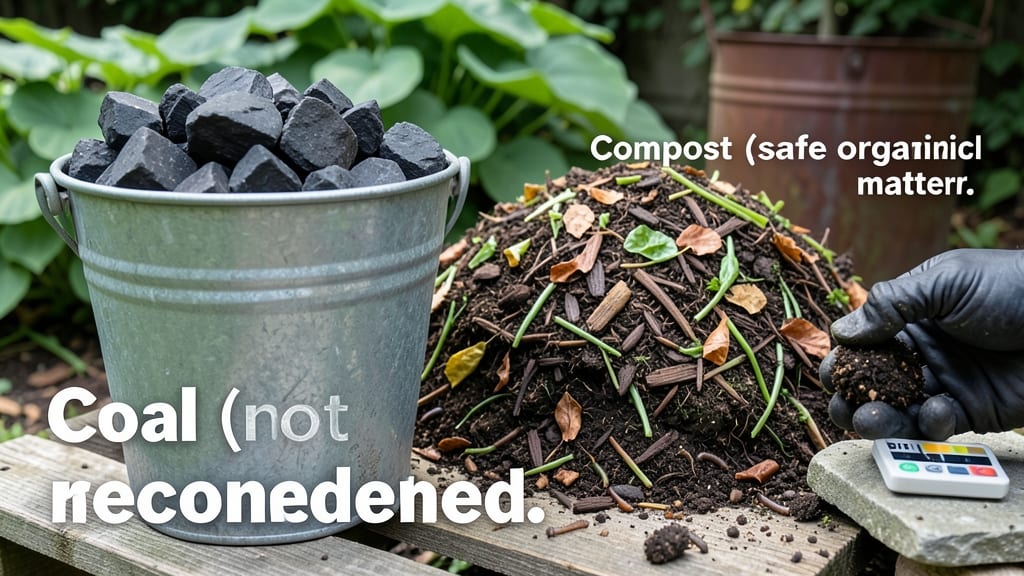
Coal is not good for the garden because it raises soil pH, introduces toxic chemicals like sulfur and heavy metals, and disrupts microbial life essential for plant health. Organic matter like compost or aged manure is a safer alternative for improving soil structure and fertility.
Using coal in your garden may seem like a quick fix for acidic soil, but it actually creates more problems than it solves. 🌱 The high pH shift from coal ash can stunt plant growth, while toxic residues like arsenic and mercury linger in the soil for years.
Even small amounts disrupt the delicate balance of beneficial microbes that help roots absorb nutrients. For healthy gardens, I always recommend organic alternatives like composted leaves or well-aged manure—they improve soil texture without harming your plants or the environment.
If you're dealing with compacted or nutrient-poor soil, consider adding perlite for drainage or pine needles to naturally acidify the soil over time. These methods work with your garden's ecosystem rather than against it.
The key is patience—building healthy soil takes consistent effort, but the results are worth it for stronger, more resilient plants.
💡 In This Article
- Chemical and Soil Risks of Using Coal in Gardens
- Safe Soil Amendments for Acidic or Poor-Grade Garden Soil
Chemical and soil risks of using coal in gardens
Coal ash contains high levels of alkaline compounds that dramatically raise soil pH when applied. A typical 1-pound application of coal ash can increase soil pH by 1.5-2.5 points in just one season, creating conditions that many plants—especially acid-loving varieties like blueberries, azaleas, and potatoes—cannot tolerate.
This pH shift disrupts nutrient availability, locking out essential elements like iron and manganese that plants need in acidic conditions.
The real danger lies in the toxic heavy metals coal releases. Coal naturally contains arsenic, mercury, lead, and cadmium, which leach into soil over time. Studies show that even 1% coal ash in garden soil can increase arsenic levels by 50-100% compared to untreated soil.
These metals don't break down—they accumulate, posing long-term risks to both plants and humans who consume homegrown produce. 🌱 The texture of coal ash is also problematic; its fine, gritty particles clog soil pores, reducing water infiltration by up to 30% in heavy applications.
What makes coal particularly harmful is its impact on soil microbes. Beneficial bacteria and fungi—responsible for breaking down organic matter and fixing nitrogen—are highly sensitive to coal's chemical composition.
Research from the University of Florida found that coal-treated soil showed 40% fewer microbial colonies within just three months, compared to untreated controls. This microbial die-off creates a vicious cycle: fewer microbes mean poorer nutrient cycling, which then stresses plants further.
Even small amounts of coal ash can persist for years. Unlike wood ash—which contains beneficial potassium and can be used sparingly (about 1 pound per 100 square feet)—coal ash's chemical composition makes it far more dangerous.
The EPA classifies coal ash as a hazardous waste in some contexts, and its use in gardening violates organic farming standards. The visual difference is striking too: coal ash leaves a grayish residue that contrasts sharply with the dark, crumbly texture of healthy compost.
For comparison, consider wood ash: it raises pH too, but contains plant-available potassium and breaks down more safely. The key difference is that wood ash lacks the heavy metals and persistent toxins found in coal.
While both raise pH, wood ash's effects are temporary and less damaging to soil life. This is why gardeners should never substitute coal for wood ash—even in small quantities.
If you're dealing with alkaline soil, safer alternatives exist. Elemental sulfur (applied at 0.5-1 pound per 100 square feet) lowers pH gradually without toxic residues. Peat moss or pine needles also acidify soil naturally over time, while improving water retention.
The texture of these amendments is completely different too—peat moss feels soft and spongy, while pine needles break down into fine, fibrous material that blends seamlessly into garden soil.