
Vegetables
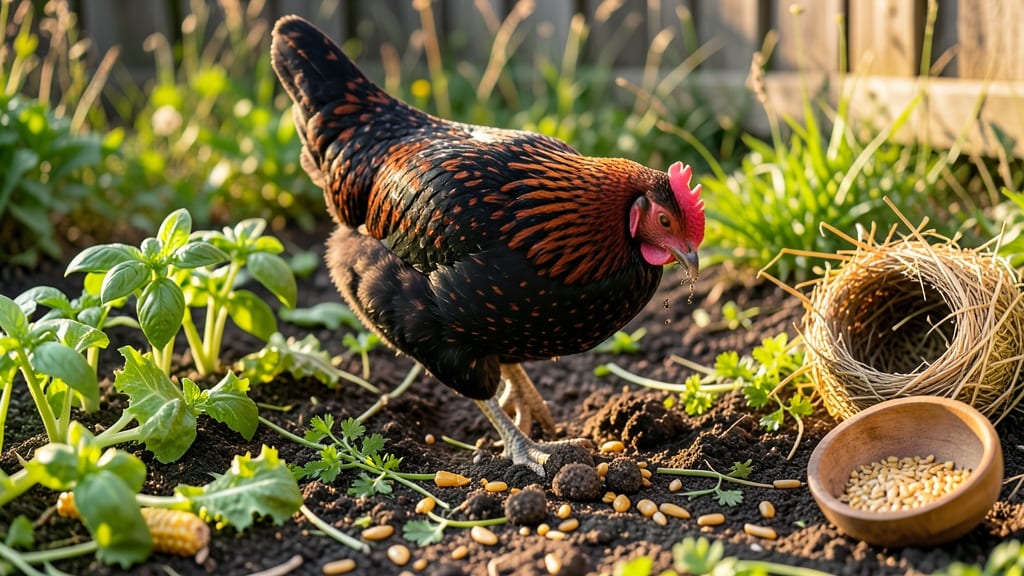
You can give eggs in your garden to grow as natural fertilizer, but they must be broken into small pieces first. Bury them 1-2 inches deep near plants to gradually release calcium without disturbing roots.
Crushed eggshells act as a slow-release source of calcium carbonate, which helps strengthen plant cell walls and improves soil structure. 🌱 This makes them especially beneficial for calcium-hungry plants like tomatoes, peppers, and broccoli. Simply rinse and dry the shells before crushing them into fine pieces—no need for elaborate preparation.
The key is patience; it can take several months for the shells to fully decompose and release nutrients into the soil.
For best results, mix the crushed shells directly into the planting hole or sprinkle them around established plants. Avoid placing whole shells in the soil, as they won’t break down quickly enough.
You can also add them to compost piles to speed up the process. Just remember: eggshells are most effective when used as a supplement rather than a primary fertilizer.
💡 In This Article
- How Eggshells Benefit Garden Soil and Plants
- Best Practices for Planting Eggshells in Gardens
How eggshells benefit garden soil and plants
Eggshells are essentially pure calcium carbonate—a mineral that plants crave for strong cell walls and structural integrity. When crushed, these shells break down into a fine powder that gradually releases calcium and trace minerals like magnesium over 3-6 months in garden soil.
This slow-release mechanism prevents nutrient spikes that could burn plant roots, unlike synthetic fertilizers that deliver immediate but often overwhelming doses. 🌱 The calcium helps prevent common deficiencies like blossom-end rot in tomatoes, which occurs when plants lack sufficient calcium to support fruit development.
The pH-balancing effect is another key benefit. Eggshells are slightly alkaline (pH ~8.5), which helps neutralize overly acidic soils where many vegetables struggle to thrive. For example, blueberries need acidic soil (pH 4.5-5.5), but most garden vegetables prefer a neutral to slightly alkaline range (pH 6.0-7.5).
By adding crushed shells, you create a natural buffer that maintains optimal growing conditions. The physical texture of the shells also improves soil aeration as they decompose, creating tiny air pockets that roots can access more easily.
What makes eggshells particularly effective is their ability to support calcium-dependent metabolic processes in plants. Calcium acts as a "messenger" in plant cells, helping regulate growth hormones and responses to environmental stresses like drought or temperature fluctuations.
Studies show that calcium-deficient plants exhibit weaker stems, yellowing leaves, and poor fruit set—problems that disappear when adequate calcium is available. This is why gardeners often see dramatic improvements in tomato yields and pepper fruit quality after adding eggshell fertilizer.
Unlike organic matter like compost that provides a broad spectrum of nutrients, eggshells offer a targeted calcium boost. While they won't replace nitrogen or phosphorus sources, they act as a perfect complement to balanced fertilizers.
The mineral content is especially valuable for plants in the nightshade family (tomatoes, peppers, eggplants) and brassicas (broccoli, cabbage), which are notorious for developing calcium-related disorders without supplementation. Even leafy greens like kale benefit from the improved soil structure that crushed shells create.
One often-overlooked advantage is the microbial activity eggshells stimulate. As the shells decompose, they create microhabitats for beneficial soil bacteria and fungi that further break down organic matter.
This creates a positive feedback loop where soil health improves over time, not just from the calcium itself but from the enhanced biological activity. The result is stronger plants that can better resist pests and diseases—a natural defense mechanism that synthetic fertilizers simply can't replicate. 🌿
For maximum effectiveness, aim to add 1-2 cups of crushed eggshells per plant at planting time, then top-dress established plants with ½ cup every 3-4 months**. This consistent application ensures plants have a steady supply of calcium without overloading the soil.
The shells will eventually dissolve completely, leaving behind only improved soil structure and healthier plants.