
Container Gardens
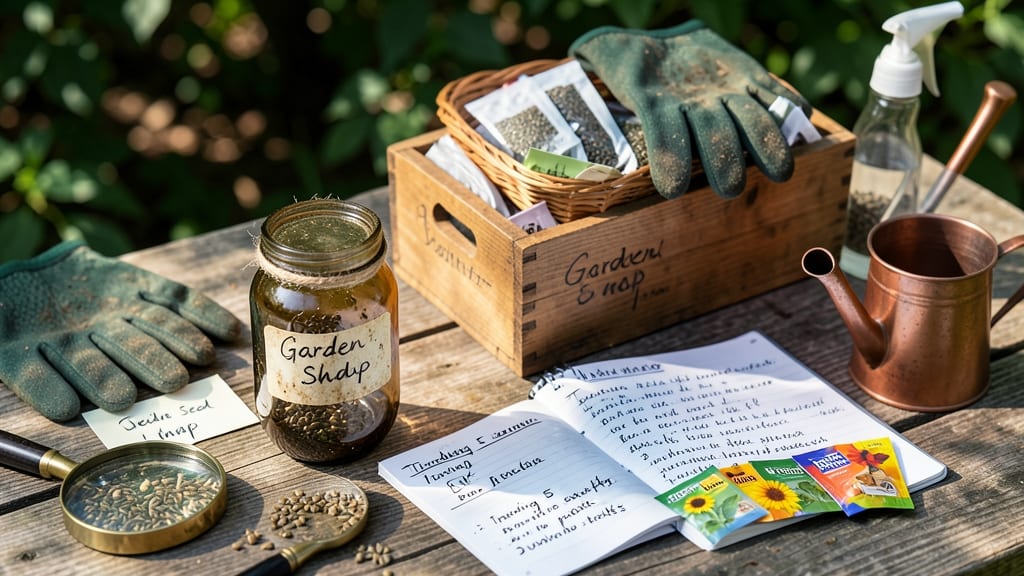
Trading seeds in Grow a Garden is possible, but the platform enforces strict rules to prevent illegal or invasive species. Only approved seeds are allowed, and trades must comply with local regulations and USDA guidelines for plant movement. Always verify seed legality before exchanging.
Seed trading on Grow a Garden is designed to foster community while protecting ecosystems.
The platform blocks patented varieties and invasive species like kudzu or mile-a-minute vine, which could harm local environments. 🌱 Before listing seeds, check the platform’s verification tools to confirm compliance with USDA and state laws—some regions prohibit certain plants entirely.
I always double-check seed origins to avoid accidental violations, especially when dealing with heirloom or wild-collected varieties.
Proper documentation is key—include details like seed source, region of origin, and any treatment applied (like sterilization). This transparency helps the platform’s moderators ensure safety and legality. For example, seeds from protected plants like some orchids require special permits, even in trades.
Always prioritize honesty: mislabeled seeds can lead to trade bans or legal issues.
💡 In This Article
- Grow a Garden Seed Trading Rules: What’s Allowed and Banned
- How to Safely Trade Seeds on Grow a Garden: Step-by-Step Guide
Grow a garden seed trading rules: what’s allowed and banned
The platform’s seed trading policies are built on two core principles: ecological safety and legal compliance. First, invasive species like mile-a-minute vine (Persicaria perfoliata) or kudzu (Pueraria montana) are automatically banned—these plants can strangle native ecosystems within 3-5 years once established.
The system cross-references seeds against the USDA’s National Invasive Species Information Center database, which maintains a real-time list of prohibited plants by region. For example, seeds from Russian olive (Elaeagnus angustifolia) are restricted in the western U.S. due to its aggressive spread along waterways.
Patented or hybrid seeds—like those from Monsanto’s Roundup Ready® varieties—are also prohibited to prevent intellectual property violations and unintended genetic contamination. The platform’s verification tool scans seed listings against the American Seed Trade Association’s (ASTA) Certified Seed Program, which ensures only non-GMO, open-pollinated, or properly licensed seeds qualify.
This is why you’ll often see heirloom tomatoes like ‘Brandywine’ approved but not commercial hybrids like ‘Better Boy’ unless explicitly licensed for trade. The system even flags seeds that might cross-pollinate with wild relatives, such as certain sunflower varieties, to protect native biodiversity.
Regional restrictions add another layer of complexity. Some states, like Hawaii, ban all non-native seeds without special permits due to their fragile ecosystems.
The platform’s geolocation tools automatically adjust allowed seed types based on your ZIP code—so a seed legal in Texas (like prickly pear cactus) might be blocked for traders in Maine.
This dynamic system uses the USDA Plant Hardiness Zone Map to cross-check seed viability with local climates, preventing traders from accidentally introducing non-native species that can’t survive in cooler regions.
What most traders overlook is the seed treatment documentation requirement. Seeds treated with fungicides (like thiram) or sterilized for mail safety must include EPA-approved labels in the listing. For instance, seeds from USDA quarantine zones (like those affected by sudden oak death) require additional paperwork.
The platform’s moderators can reject listings missing this info, even if the seeds themselves are legal. This is why I always screenshot my seed treatment certificates before posting—it saves time during reviews and builds trust with potential trade partners.
For rare or exotic seeds, the platform enforces a 30-day holding period while moderators verify origins. This applies to seeds like orchid pods or rare cactus varieties, where mislabeling is common. During this time, the seed remains in the platform’s "pending" status, and traders can’t ship until approval.
It’s a safety net that’s caught me off guard before—once, a batch of African marigold seeds (Tagetes erecta) was flagged because they resembled (but weren’t) the invasive Mexican sunflower (Tithonia rotundifolia). The extra scrutiny ensures no accidental ecological damage occurs.
Understanding these rules isn’t just about avoiding bans—it’s about preserving the community’s trust. The platform’s algorithm tracks trader compliance over time, and repeated violations (even unintentional ones) can lead to account restrictions.
For example, a trader in Florida once had their account temporarily suspended after listing melaleuca seeds (Melaleuca quinquenervia), a tree banned in the state for its water-guzzling habits. The lesson?
When in doubt, consult the platform’s Seed Legality Lookup Tool—it’s saved me from multiple close calls with restricted plants.