
Propagation
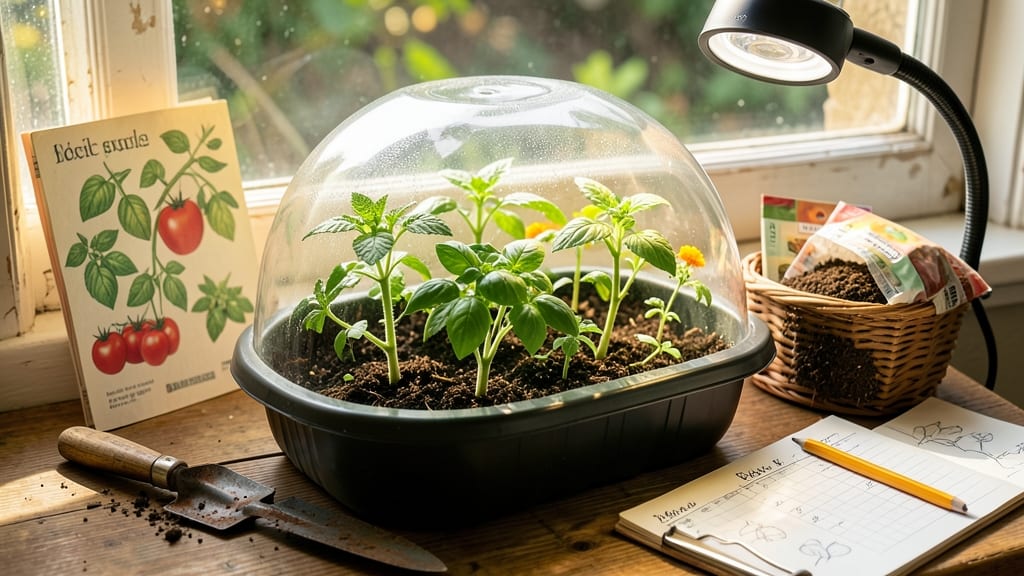
To start seeds for a spring garden, begin cold-hardy crops like peas and spinach 6-8 weeks before your last frost date, while warm-season plants like tomatoes and peppers need 8-12 weeks of indoor growing time. Always verify your local frost date and follow seed packet instructions for accurate timing.
Timing your spring garden seeds depends on whether you're growing plants that tolerate cooler temperatures or those that thrive in warmth. 🌱 Cold-hardy vegetables like lettuce and kale can handle light frosts, so starting them early gives them a head start before the ground warms up.
On the other hand, heat-loving plants such as cucumbers and eggplants need a longer indoor growing period to develop strong roots before transplanting outdoors. I always recommend checking your local frost date through resources like the USDA Plant Hardiness Zone Map, as this varies significantly across regions.
Another key factor is your growing conditions—indoor starts under grow lights mature faster than those on a sunny windowsill.
For example, basil and marigolds can begin indoors 8-10 weeks before last frost, but if you're using a seedling heat mat, you might shave off a week or two from that timeline. Always double-check seed packets for "days to maturity" and adjust your start date accordingly.
The goal is to have healthy seedlings ready to transplant when the soil temperature reaches at least 50°F for cool-season crops or 60°F for warm-season varieties.
💡 In This Article
- Calculating Seed Starting Dates by Frost Zone
- Best Spring Vegetables and Flowers to Start Indoors Early
Calculating seed starting dates by frost Zone
The foundation of your seed-starting timeline begins with your local frost date, which varies dramatically by region. The USDA Plant Hardiness Zone Map divides the country into 13 zones based on average minimum winter temperatures, but for seed starting, you need the last spring frost date—not the zone number.
For example, Zone 5 (like Minneapolis) typically has a last frost around May 15, while Zone 9 (like Los Angeles) might see its last frost in February.
Always verify this date using local agricultural extension services or weather records, as urban areas can be 5-10°F warmer than rural zones just 10 miles away.
Once you have your frost date, seed packets provide the "days to maturity" (time from seed to harvest) and "days to transplant" (time needed indoors). For cold-hardy crops like broccoli or cabbage, subtract 6-8 weeks from your frost date to determine your start window.
Warm-season plants like peppers or eggplants need 8-12 weeks indoors because they're sensitive to cold soil. 🌱 The key adjustment comes with growing conditions: seedlings under 12-16 hours of grow lights mature 20-30% faster than those on a south-facing windowsill, which may only receive 6-8 hours of light during winter.
Growth speed also depends on plant type—fast growers like radishes or lettuce can start 2-4 weeks before your last frost and tolerate cooler soil, while slow growers like tomatoes or onions need the full 8-12 weeks indoors.
Pro tip: Use a seed-starting calculator (available from extension offices or gardening apps) to input your frost date, plant type, and growing conditions for a customized timeline.
These tools account for regional microclimates, like valleys that frost later than hilltops, ensuring your seedlings are ready when soil temperatures hit 50°F for cool crops or 60°F for warm crops.
Don't overlook the "seedling heat" factor—many warm-season plants (like basil) germinate best at 70-80°F, while cool-season crops (like spinach) prefer 60-65°F. A simple heat mat can shave 1-2 weeks off your start time by maintaining consistent soil warmth.
Conversely, drafty windowsills or unheated greenhouses may delay germination by 3-5 days. Always monitor your seedling environment, as temperature swings can cause leggy, weak plants that struggle to transplant.
For gardeners in transitional zones (like Zone 7b), where frost dates can vary by 2-3 weeks yearly, consider starting a "frost watch" using local weather alerts. This lets you adjust transplant dates if an unexpected late frost threatens.
The goal is to have robust seedlings with 2-4 true leaves and a sturdy stem (about 1/8-inch thick) before moving them outdoors—this ensures they recover quickly from transplant shock.
One common mistake is starting seeds too early, which leads to overcrowded, nutrient-starved seedlings. For example, if you begin tomatoes 14 weeks before frost, they'll outgrow their pots and develop weak roots. The solution?
Stagger your starts in 2-week intervals for continuous harvests, or use small cell packs (2-3 inches deep) that promote faster root development. This technique works especially well for succession planting of lettuce or kale, where you want 3-4 harvests over spring and summer.