
Tools
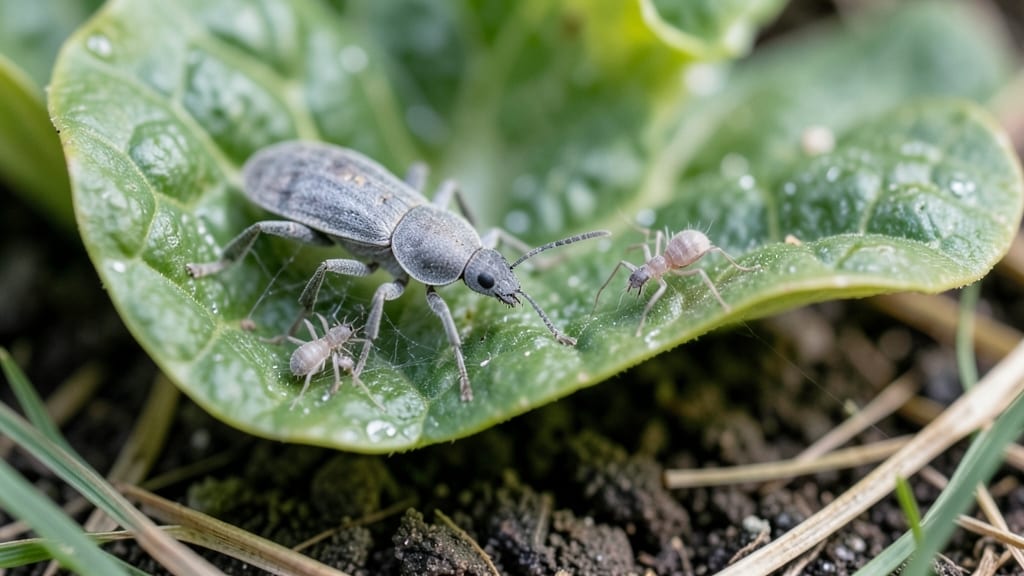
Gray bugs creeping through your garden likely mean one of three things: a silent feast on your plants, a hidden threat to your harvest, or an easy fix you’re missing.
Picture this: You step outside after a rain shower, and suddenly your 🌱 leaves are dotted with tiny gray specks—some crawling, others leaving behind a slimy trail.
That’s not just an eyesore; it’s a warning sign. Without quick action, these pests can turn your thriving garden into a buffet zone overnight.
But here’s the good news: most gray bugs can be identified in under 5 minutes with just a magnifying glass and a little know-how.
Whether it’s aphids, slugs, or something else, I’ll walk you through the fastest tricks to spot them—and how to kick them out for good before they cause real damage.
Skip the guesswork and the panic. By the end of this guide, you’ll know exactly what’s munching on your plants, how to stop it fast, and when to call in reinforcements if needed. Let’s get started.
5 Fast ways to identify gray bugs in your garden
Spotting gray bugs in your garden can send shivers down any gardener’s spine. These pests often hide in plain sight, but knowing their visual clues and behavior patterns can help you act fast.
Whether it’s the tiny aphids clinging to new growth or the slugs leaving silvery trails, each pest leaves a unique signature. Let’s break down how to spot them in seconds.
First, grab a magnifying glass or even a hand lens—many gray bugs are microscopic or blend into foliage. Look for clusters on leaves, stems, or soil.
Some pests, like mealybugs, leave behind a white cottony residue, while others, like gray garden beetles, chew through leaves in a ragged pattern. Speed is key, so focus on these five quick identification tricks to stop damage before it spreads.
🔍 5 Fast ID Tricks for Gray Bugs
- 1. Check for Sticky Residue: Gray aphids or mealybugs leave behind honeydew (sticky sap). Wipe leaves with a damp cloth—if it smears, you’ve got a sap-sucking pest.
- 2. Look for Slime Trails: Gray slugs or snails leave silvery slime trails on leaves and soil. Shine a flashlight at dusk—their trails glow under light!
- 3. Inspect Leaf Undersides: Spider mites (tiny gray dots) love hiding under leaves. Tap leaves over white paper—tiny red or gray specks confirm their presence.
- 4. Spot Chewed Holes: Gray garden beetles or cutworms create irregular holes in leaves. Unlike aphids, they don’t leave sticky residue—just ragged edges.
- 5. Shake Plants Over Water: Drop leaves into a bucket of soapy water. If you see gray crawling insects, they’re likely earwigs or gray beetle larvae. Floating pests = problem solved!
Don’t overlook the time of day when spotting these pests. Slugs and snails are most active at night or after rain, while aphids and mealybugs thrive in warm, dry conditions.
If you’re seeing gray bugs during the day, they’re likely aphids or spider mites—both of which multiply rapidly in sunny weather.
Another quick trick: examine the soil around your plants. Gray beetle larvae or grubs often tunnel through the top layer, leaving behind small holes or uneven soil. Use a garden trowel to flip over a few inches of dirt—if you see gray, worm-like creatures, you’ve found the culprit.
If you’re still unsure, focus on the damage patterns. Aphids cause curling leaves and yellowing, while slugs create large, smooth holes with no chewed edges. Spider mites, on the other hand, leave behind fine webbing on leaves. Matching the damage to the bug is half the battle.
Pro tip: Keep a garden journal to track pest sightings. Note the plant type, location, and time of year you spot gray bugs. This helps you predict future outbreaks and tailor your prevention strategies.
For example, slugs thrive in shady, moist areas, while aphids love new growth in sunny spots.
Once you’ve identified the pest, act immediately. Some gray bugs, like aphids, can double their population in just 7 days. The faster you remove them or disrupt their life cycle, the better your plants will fare.
Next, we’ll cover 5 fast solutions to kick these pests out of your garden for good.
Remember, not all gray bugs are harmful—some, like ladybug larvae, are beneficial predators. Always double-check before spraying! A quick Google image search or local gardening forum can confirm if your gray bugs are friends or foes.
How to stop gray bugs from destroying your plants
Once you’ve identified the gray bugs wreaking havoc in your garden, the next step is quick action. These pests—whether aphids, mealybugs, or slugs—can multiply rapidly, so timing is everything.
Start with physical removal for slugs or hand-picking aphids, then move to organic sprays like neem oil or insecticidal soap. For stubborn infestations, adjust your garden’s habitat to make it less inviting to pests.
I’ve found that combining multiple methods works best. For example, a soapy water spray can knock back aphids while also attracting ladybugs—their natural predators. Meanwhile, adding copper barriers can deter slugs from reaching your prized plants. The key is consistency; pests won’t stand a chance if you’re proactive.
Gray Bug Control Methods: Pros & Cons
Hand-Picking
Pros: Free, immediate results
Cons: Time-consuming for large infestations
Neem Oil Spray
Pros: Organic, disrupts life cycle
Cons: Must reapply after rain
Diatomaceous Earth
Pros: Non-toxic, long-lasting
Cons: Can harm beneficial insects
Copper Barriers
Pros: Effective for slugs/snails
Cons: Limited to ground-level pests
Beneficial Insects
Pros: Natural pest control
Cons: Slow to establish
For aphids and mealybugs, I swear by a homemade spray of water, dish soap, and a few drops of horticultural oil. Mix 1 tablespoon of soap with 1 quart of water, then spray directly on the bugs.
Repeat every 3-5 days until they disappear. This method is gentle on plants but tough on pests. Always test on a small leaf first to avoid damage.
If slugs are your nemesis, beer traps work wonders. Bury a shallow container filled with beer near affected plants—slugs are drawn to it and drown. For a preventative measure, spread crushed eggshells or gravel around plant bases.
These create physical barriers slugs can’t cross. I’ve seen slug populations drop by 70% within a week using this combo.
Don’t forget to audit your garden’s health. Overwatering or dense foliage can attract pests, so prune regularly and ensure proper drainage. Healthy plants are naturally resistant to infestations.
I also recommend rotating crops annually to disrupt pest life cycles. This simple habit can prevent future gray bug outbreaks before they start.
When all else fails, consult local experts. Extension offices often provide free pest ID services and tailored solutions. For example, my county’s agricultural extension suggested introducing parasitic wasps for my aphid problem—now my roses thrive without chemicals. 🌱