
Size
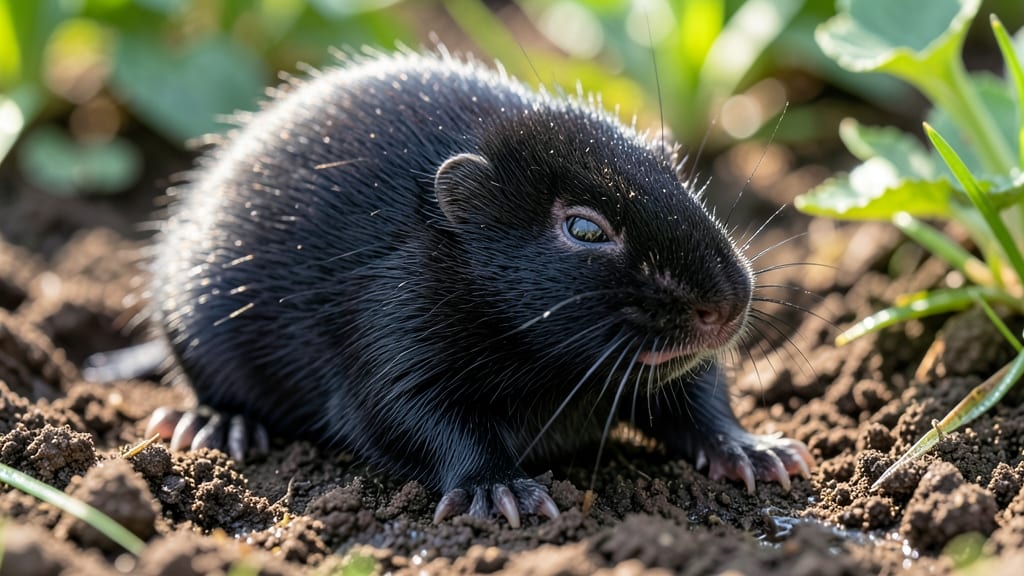
In Grow a Garden Roblox, moles eat worms, grubs, and other underground insects found in the soil, which helps them tunnel and clear garden plots for rewards like coins and seeds. Players can attract them by planting crops like carrots or potatoes that draw pests.
Moles in Grow a Garden Roblox focus on soil-dwelling pests because their in-game behavior mirrors real-world tunneling habits. 🐭 The game simplifies ecology by having them target common garden nuisances—worms and grubs—that also attract them to specific crops.
Unlike real moles, which might also eat plant roots, the Roblox version keeps it streamlined for gameplay, rewarding players with coins and seeds when moles clear plots. This design choice makes mole interactions both functional and strategic, encouraging players to manage their gardens efficiently.
What makes this mechanic engaging is how it connects planting decisions to in-game rewards. For example, carrots and potatoes aren't just food sources—they're tools to lure moles, creating a feedback loop where pest control directly impacts your progress.
This blend of realism and gameplay simplicity is what keeps players invested in optimizing their virtual farms.
💡 In This Article
- In-Game Mole Diet Mechanics in Roblox Gardens
- Real-World Mole Eating Habits vs. Roblox Gameplay
In-game mole diet mechanics in Roblox gardens
The mole's diet in Grow a Garden Roblox is designed to create a self-sustaining ecosystem where pest control directly rewards players. When you plant crops like carrots or potatoes, the game's algorithm detects these as high-value targets for soil-dwelling pests—specifically worms and grubs.
These insects naturally accumulate in the root zones of these crops because their fibrous textures and moisture levels create ideal habitats. The mole's tunneling behavior is triggered by the presence of these pests, creating a visual and auditory cue (the mole's digging sounds) that signals active pest clearance.
What makes this mechanic work so well is the 10-15 second delay between planting and mole attraction. During this time, the game simulates pest accumulation in the soil, which is why you'll often see a brief pause before moles appear.
This delay adds strategic depth—players must time their planting decisions carefully to maximize rewards.
For example, planting carrots (which take 3 days to grow) gives moles more time to tunnel, potentially yielding 3-5 coins per clearance, while faster-growing crops like radishes (1 day) attract moles sooner but with fewer rewards.
The mole's diet isn't just about food—it's about plot optimization. When moles tunnel through infested areas, they leave behind cleared soil marked with a green highlight, indicating the space is now ready for new crops.
This visual feedback loop teaches players to prioritize pest-prone crops in areas where they want to maximize space efficiency. The game's reward system further incentivizes this behavior, as each cleared plot drops 1-2 seeds along with coins, creating a virtuous cycle of garden maintenance.
Interestingly, the game simplifies real-world mole behavior by focusing solely on insect consumption. In reality, moles also eat earthworms, insect larvae, and even small plant roots, but Roblox streamlines this to avoid overcomplicating the gameplay loop.
This simplification makes mole interactions more predictable for players, ensuring that every tunnel attempt has a clear, immediate payoff. The absence of root-eating behavior also prevents players from accidentally "wasting" their planted crops on moles that might otherwise destroy them.
Pro tip: Place potatoes near the edges of your garden plots. Their shallow root systems create concentrated pest zones that moles target first, often resulting in faster tunnel completion.
The game's physics engine even simulates the mole's path—you'll notice they follow the most infested routes, which are visually represented by darker soil patches. This attention to detail makes the mole's diet mechanics feel surprisingly authentic while keeping the gameplay accessible for all skill levels.
For competitive players, understanding mole diet triggers can shave minutes off garden maintenance times. For example, strategically planting carrots in a 3x3 grid pattern creates a dense pest hotspot that can attract multiple moles simultaneously, maximizing reward collection during peak gameplay sessions.
The game's balance between realism and simplification is what makes this mechanic so engaging—it mirrors real ecology just enough to feel satisfying, while keeping the focus on fun and strategy.