
Picking
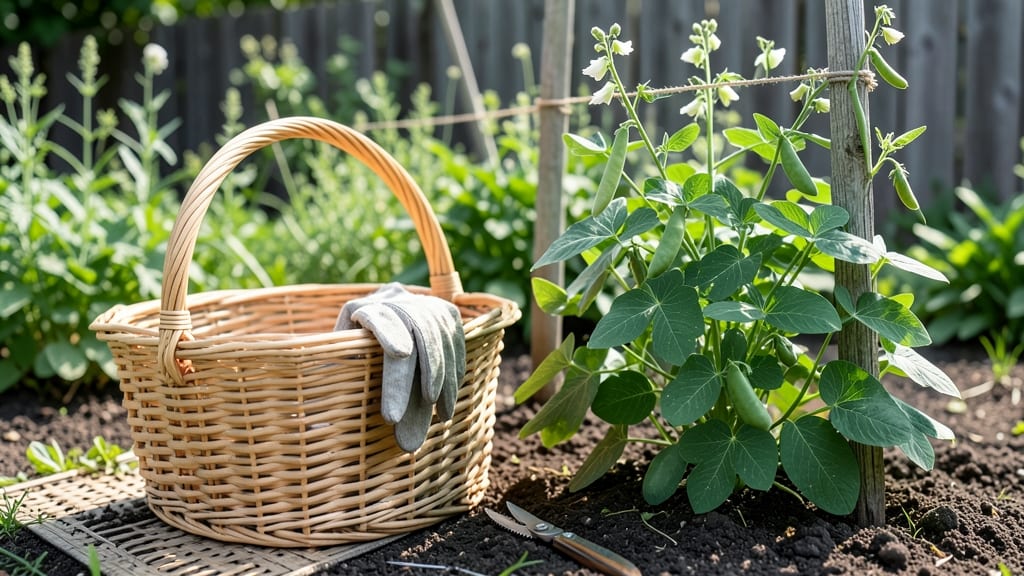
To pick peas from your garden at their sweetest, time it right—when pods are plump but still tender 🌱, typically 60-70 days after planting.
Peas straight from your garden taste sweeter and fresher than any store-bought variety—but only if you harvest them at the perfect moment. Miss the window, and you’ll end up with tough, mealy pods that ruin even the best homegrown flavors.
Shelling peas, like 'Mammoth Melting Sugar,' need harvesting when pods are 2-3 inches long and firm to the touch, while snap peas like 'Sugar Snap' should be picked when they’re crisp and bright green. Checking every 2-3 days ensures you catch them at peak ripeness.
Below, I’ll walk you through the exact cues—size, color, and texture—to know when your peas are ready, plus how to adjust for your region’s climate. You’ll never miss another harvest again!

How to identify the perfect pea pod for harvesting
Harvesting peas at the right moment transforms your garden into a sweet, crunchy feast—but timing is everything. The difference between a tender, flavorful pod and a tough, mealy mess often comes down to just a few days.
I’ve learned that checking peas every 2-3 days during peak season prevents missed opportunities. Pay attention to these key visual and tactile cues to know exactly when to snip.
First, examine the pod size—this is your best indicator of ripeness. For most varieties, the ideal length falls between 2 to 3 inches. If pods are smaller than a 1-inch ruler, they’re still maturing.
On the flip side, pods stretching beyond 3.5 inches start losing sweetness and develop woody textures. My Mammoth Melting Sugar peas, for example, hit peak flavor at exactly 2.5 inches.
Next, check the pod color, which shifts as peas mature. Young pods often appear light green or pale yellow-green. At peak ripeness, they deepen to a rich, vibrant green.
Watch out for yellowing or brown spots, which signal overripeness or disease. I always harvest mine before any discoloration appears, even if it means picking slightly smaller pods.
Texture is another critical clue—firmness tells you whether a pod is ready. Gently squeeze a pea pod between your thumb and forefinger. It should feel plump but slightly yielding, like a well-inflated balloon.
If it’s rock-hard, the peas inside are oversized and starchy. Conversely, pods that feel mushy or papery are past their prime and will taste bland.
Don’t forget to peek inside! Look through the pod seam (the natural line where the pod splits open). At the perfect moment, you’ll see small, round peas that fill about one-third of the pod’s length.
If the peas are crowded or oversized, the pod has passed its prime. I use a small flashlight on cloudy days to check this detail easily.
Weather plays a surprising role in pea ripening. Cool, 50-65°F temperatures speed up maturation, while hotter days above 80°F can slow it down. In my Zone 6a garden, peas ripen faster in spring than in late summer.
If you’re growing snap peas, a light frost can actually sweeten the pods, so don’t hesitate to harvest after a 28-32°F chill.
| Pea Type | Pod Size | Color | Texture | Seed Visibility | Harvest Time |
|---|---|---|---|---|---|
| Shelling Peas (e.g., 'Mammoth Melting Sugar') | 2-3 inches | Bright green | Firm but yielding | 1/3 pod length | Morning (coolest part of day) |
| Snap Peas (e.g., 'Sugar Snap') | 3-4 inches | Vibrant green | Crisp, snaps when bent | Seeds visible but small | After light frost (sweeter) |
| Snow Peas (e.g., 'Oregon Sugar Pod') | 2-3 inches | Light green | Tender, flat pods | Flat seeds inside | Every 2-3 days |
| Overripe Peas | >4 inches | Yellowing/brown | Hard or mushy | Large, crowded seeds | Discard or compost |
Harvesting at the right time also depends on the pea variety you’re growing. Shelling peas like 'Lincoln' should be picked when pods are plump but before seeds bulge, while snap peas like 'Super Sugar Snap' are best when pods are crisp and slightly curved.
I’ve found that snow peas, such as 'Oregon Sugar Pod', stay tender longer but lose flavor if left on the vine too long.
Pro tip: Use a clean, sharp pair of scissors or pruners to snip pods at the stem. This prevents damage to the plant and encourages more production. Always harvest in the morning after dew dries—this ensures the freshest flavor and firmest texture.
If you’re growing peas on a trellis, check the top pods first, as they often ripen earlier than those lower down.
Finally, don’t ignore the plant’s signals. If you notice fewer flowers or yellowing leaves
Pea harvesting schedule by variety: shelling vs. snap vs. snow peas
Timing your pea harvest correctly ensures sweet, tender pods instead of tough, overripe ones. Each pea variety—shelling, snap, and snow peas—has its own ideal window.
Knowing when to pick Mammoth Melting Sugar differs from harvesting Sugar Snap or Oregon Sugar Pod peas. Let’s break it down by type and planting schedule.
Most pea varieties reach maturity between 60-70 days after planting, but this varies slightly by type. Shelling peas like 'Green Arrow' are harvested when pods are 2-3 inches long and seeds are visible but still small. Snap peas like 'Sugar Snap' should be picked when pods are 2-4 inches and crisp, while snow peas like 'Oregon Sugar Pod' are ready when pods are 2-3 inches and flat with tiny seeds.
Adjust your harvest schedule based on planting time. Early spring plantings (March-April) typically yield peas ready for harvest by late May to June. For fall plantings (August-September), expect harvests from October to November. If you plant late varieties, like 'Tom Thumb', expect a slightly delayed harvest by 1-2 weeks.
| Variety Type | Days to Maturity | Harvest Cues | Best Harvest Window |
|---|---|---|---|
| Shelling Peas (e.g., 'Mammoth Melting Sugar') | 65-70 days | Pods 2-3" long, firm, seeds visible but small | Late May - June (spring) / October - November (fall) |
| Snap Peas (e.g., 'Sugar Snap') | 60-65 days | Pods 2-4" long, crisp, seeds barely visible | Early June - July (spring) / September - October (fall) |
| Snow Peas (e.g., 'Oregon Sugar Pod') | 60-68 days | Pods 2-3" long, flat, seeds tiny | Late May - June (spring) / September - October (fall) |
For snap peas, harvest every 2-3 days to encourage continuous production.
These varieties often produce pods over a 3-4 week window if picked consistently. Shelling peas can be left on the vine slightly longer, but avoid letting seeds swell too much, or the pods become tough and fibrous. Snow peas should be harvested when pods are still flat and tender—once they bulge, they’re past their prime.
If you’re in a warmer climate (USDA Zones 8-10), consider planting fall varieties for a second harvest. In cooler regions (Zones 3-6), focus on early spring plantings to avoid heat stress.
Always check pods every 2-3 days during peak harvest season to catch them at their sweetest. Overlooking this can mean missing the perfect flavor window by days!
Pro tip: Use a trellis or stakes to support climbing varieties like 'Telephone' peas. This makes harvesting easier and keeps pods off the ground, reducing disease risk. With the right timing and care, you’ll enjoy a steady supply of homegrown peas all season long!