
Container Gardens
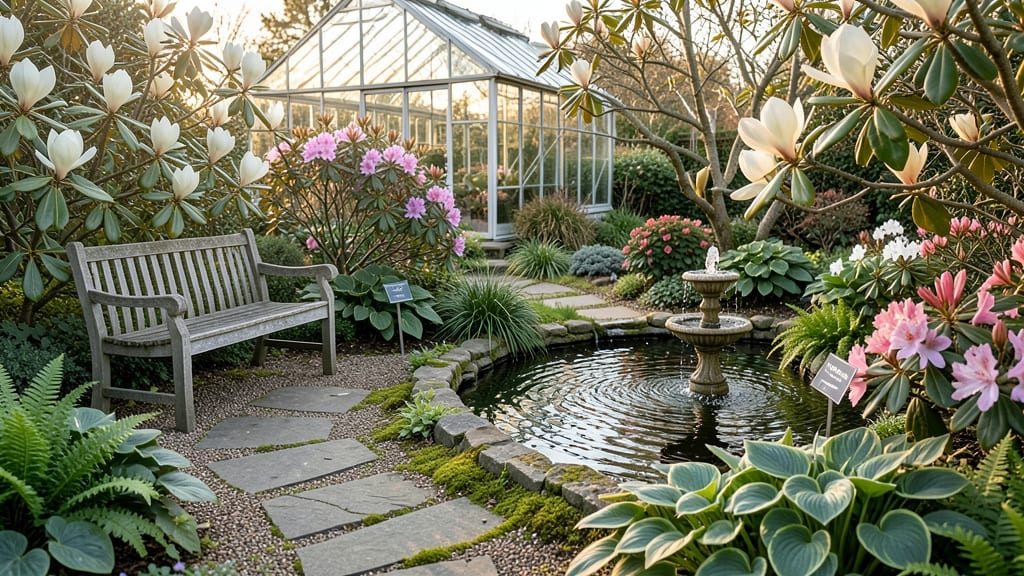
The botanical gardens in Belfast showcase breathtaking glasshouses, rare plant collections, and a historic Victorian conservatory, along with hidden gems like the Japanese Garden and ever-changing seasonal displays. These insider tips will help you make the most of your visit.
Belfast's botanical gardens stand out for their meticulously curated displays, blending Victorian-era architecture with modern horticultural science. 🌿 The glasshouses create microclimates that preserve delicate tropical species, while the Japanese Garden offers a serene escape with carefully placed rocks and koi ponds.
What makes this spot truly special is how it balances rare botanicals—like carnivorous plants and orchids—with native Irish flora, creating a living timeline of biodiversity.
Timing your visit matters too. Spring and summer bring vibrant blooms, but winter reveals the gardens' skeletal beauty against the Northern Irish sky.
I always recommend arriving early to explore the conservatory's intricate ironwork before crowds gather, and pairing your visit with a stop at the nearby Ulster Museum for a deeper dive into local natural history. The gardens' free entry makes it an easy addition to any Belfast itinerary.
💡 In This Article
- Exploring Belfast Botanical Gardens’ Unique Plant Collections
- Best Times and Tips for Visiting Belfast Botanical Gardens
Exploring Belfast botanical gardens’ unique plant collections
The gardens' Victorian glasshouses create precise microclimates—ranging from 75-85°F in tropical sections to 60-68°F in temperate displays—using a combination of double-glazed panes and steam heating systems.
This temperature control allows delicate species like the Venus flytrap (Dionaea muscipula) to thrive, demonstrating how these gardens bridge Victorian engineering with modern conservation science. The 1870s iron-and-glass conservatory maintains 60% humidity year-round, preventing desiccation in orchids that would otherwise require tropical rainforest conditions.
What makes the collections truly remarkable is the scientific curation behind them. The 1,500+ plant species include 200+ orchids from six continents, with some varieties dating back to the 1880s when Victorian plant hunters first brought them to Belfast.
The Japanese Garden, a 1.5-acre oasis, features 12 species of native Japanese maples carefully pruned to create seasonal color shifts—deep reds in autumn, vibrant greens in summer, and delicate pinks in spring. 🌸 The gardens also maintain a native Irish flora section showcasing rare species like the Northern Irish primrose (Primula scotica), which thrives in the cool, damp climate.
Visitors often overlook how the glasshouses function as living laboratories. The carnivorous plant collection, for example, demonstrates real-time adaptations—some pitcher plants (Nepenthes) grow 12 inches tall in Belfast's climate, while others remain stunted.
The Victorian-era glasshouse design actually improves biodiversity by creating habitats for pollinators like 18 species of bumblebees that visit the gardens. This ecological interplay is what makes the experience educational beyond just visual beauty.
For plant enthusiasts, the seasonal rotations reveal the gardens' dynamic nature. Spring brings 30+ varieties of rhododendrons in bloom, while winter displays feature Christmas cacti (Schlumbergera) and poinsettias that thrive in the glasshouse's controlled environment.
The 19th-century plant labels still visible today provide fascinating historical context—many were handwritten by the original Victorian curators who documented each specimen's origin and growth patterns.
What most people don't realize is how the gardens' layout follows a botanical classification system that groups plants by evolutionary relationships rather than just aesthetics.
The palm house, for instance, features 15 species of palms arranged by family—from the Areca group to the Cocos genus—demonstrating how modern taxonomy connects to Victorian-era plant science. This systematic approach makes each walk through the gardens an educational journey through plant evolution. 🌿