
Vegetables
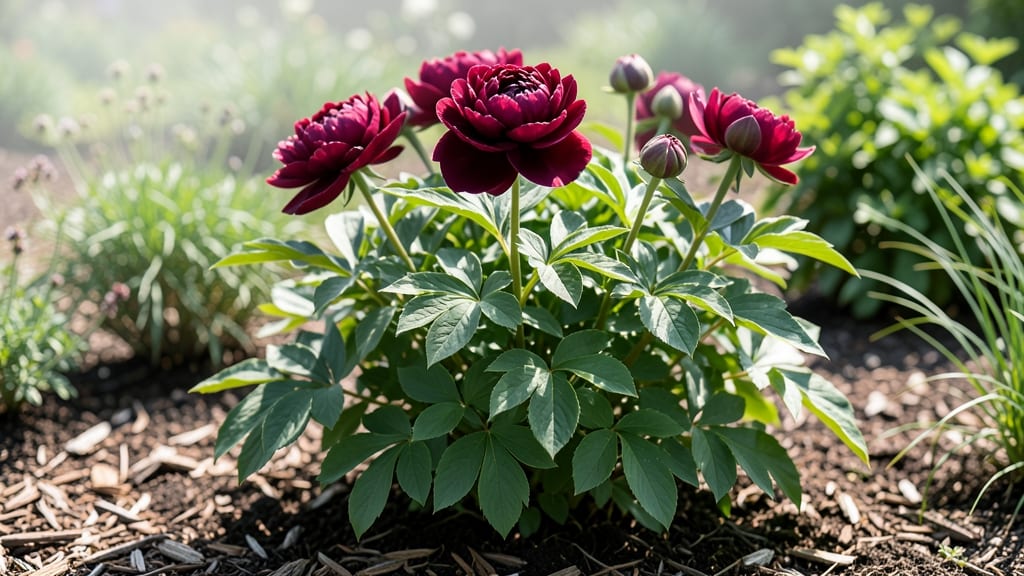
Adelman Peony Gardens in Oregon is a breathtaking 3-acre display featuring over 500 peony varieties, where visitors can admire peak blooms from late May through early June. The garden offers guided tours, educational workshops, and a gift shop with peony-themed products, all thriving in Oregon's ideal climate for these delicate flowers.
This hidden gem in Oregon's Willamette Valley isn't just about stunning visuals—it's a living museum of horticultural artistry. 🌸 The garden's carefully curated collection includes rare heirloom varieties, some dating back over a century, making it a treasure trove for serious gardeners.
What sets Adelman apart is its ability to extend the blooming season thanks to Oregon's unique microclimate, which provides both coastal moderation and inland warmth. The guided tours often reveal fascinating stories about each variety's origins and cultural significance, from ancient Chinese medicinal uses to Victorian-era symbolism.
The best time to visit depends on what you're seeking—early May brings pre-bloom excitement with fresh green foliage, while late June offers post-bloom maintenance tours that reveal the garden's behind-the-scenes care.
Pro tip: Weekday mornings are less crowded, and the on-site café serves locally sourced pastries that pair perfectly with your garden photos. Don't miss the annual Peony Festival in early June, featuring live music and family-friendly activities.
💡 In This Article
- Why Adelman Peony Gardens Stands Out Among Oregon’s Floral Attractions
- Best Times to Visit and Practical Tips for Exploring Adelman Peony Gardens
Why Adelman peony gardens stands out among Oregon’s floral attractions
Adelman Peony Gardens distinguishes itself through its unparalleled diversity—hosting over 500 peony varieties, including rare hybrids like 'Sarah Bernhardt' and 'Duchesse de Nemours'. These cultivars represent centuries of selective breeding, with some dating to 19th-century French nurseries.
The garden's collection includes tree peonies (Paeonia suffruticosa), which can reach 6-8 feet tall with 5-inch blooms, alongside delicate herbaceous types that thrive in Oregon's USDA Hardiness Zone 8b conditions.
The garden's microclimate advantage is a botanical marvel. Located in the Willamette Valley, it benefits from the coastal moderation effect—mild winters (30-40°F) prevent hard freezes that could damage tender roots, while summer afternoons (75-85°F) provide ideal daytime warmth.
This creates a 3-4 week extension in bloom season compared to gardens further inland, where heatwaves can stress peonies. The well-draining volcanic soil from Mount Hood's ancient eruptions further enhances root health.
Culturally, peonies symbolize prosperity and romance across traditions—Chinese medicine valued them for anti-inflammatory properties, while Victorian florists used them to convey gratitude. Adelman's guided tours often highlight these stories, connecting visitors to peonies' 3,000-year history as a cultivated plant.
The garden's heirloom varieties preserve genetic diversity that modern hybrids sometimes sacrifice, making it a living archive of floral evolution.
What truly sets Adelman apart is its hands-on education approach. Unlike passive viewing gardens, visitors can participate in pruning demonstrations (held March-April), bulb division workshops (October-November), and even cutting propagation classes where they take home their own peony stems.
This interactive element transforms a visit from a scenic outing into a practical gardening masterclass.
The garden's photographic appeal also elevates its status—with 20+ color variations from pure white to deep crimson, peonies create stunning contrasts against the lush green foliage and woodland backdrops.
Professional photographers often capture the backlit blooms at golden hour, when petals glow with a translucent quality that's impossible to replicate in studios. The garden's seasonal color palette shifts dramatically: early blooms feature soft pinks and yellows, while late-season varieties burst with vibrant reds and purples.
For serious horticulturists, Adelman offers rare access to peony research—the garden collaborates with Oregon State University on disease-resistant breeding programs, particularly targeting botrytis blight, a fungal threat that affects 30% of commercial peony crops.
Their open-pollination trials have yielded several new varieties now available through specialty nurseries. This scientific engagement makes Adelman not just a pretty garden, but an active participant in peony conservation.
Finally, the garden's sustainable practices—like composting spent blooms and using drip irrigation systems—reflect modern horticultural ethics. Visitors often comment on how the fragrant air (peony petals release benzaldehyde, a compound also found in almonds) and hummingbird activity create an almost therapeutic atmosphere.
This sensory experience, combined with the botanical expertise, explains why Adelman consistently ranks among Oregon's top 5 floral destinations for both locals and tourists. 🌸