
Container Gardens
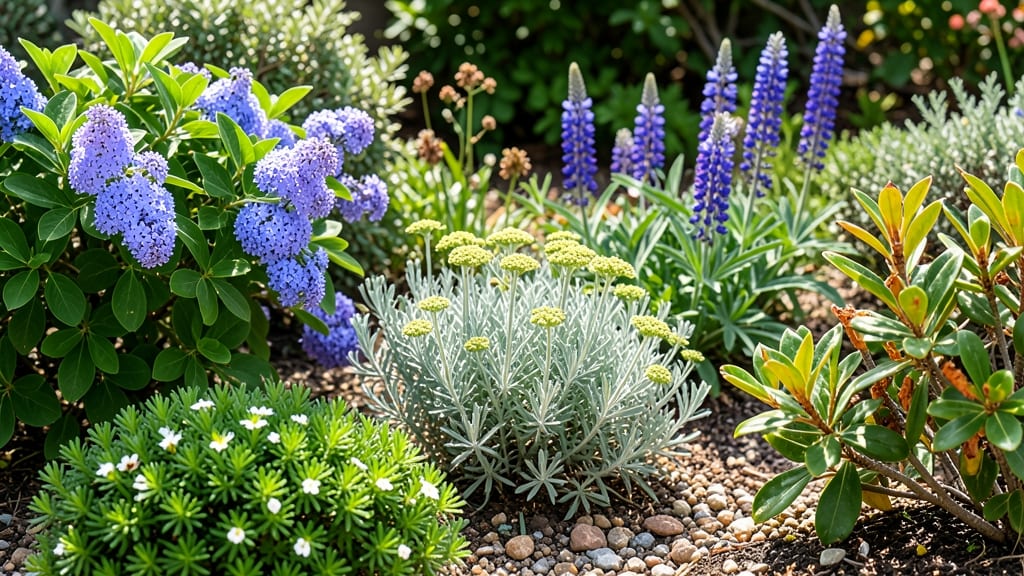
Alta Vista Botanical Gardens in Vista, CA, is a free public garden featuring California native plants, seasonal blooms, and themed garden sections like desert and coastal ecosystems across 15 acres of self-guided trails.
This hidden gem in North San Diego County is one of the best places to explore California's unique plant diversity without paying admission. 🌵 The gardens carefully curate over 300 species, including rare native plants that thrive in Southern California's Mediterranean climate.
Whether you're a plant enthusiast or just looking for a peaceful outdoor escape, the themed sections—like the oak woodland and riparian areas—offer stunning visual contrasts year-round.
What makes Alta Vista special is its commitment to conservation through education. Many of the plants on display serve critical ecological roles, and the garden's layout guides visitors through different ecosystems found throughout the region.
The free admission policy and self-guided trails make it accessible for families, school groups, and nature lovers of all ages.
💡 In This Article
- Exploring Alta Vista’s Native California Plant Collections
- Best Times to Visit Alta Vista Botanical Gardens
Exploring Alta Vista’s native California plant collections
Alta Vista Botanical Gardens serves as a living laboratory for California's native flora, featuring over 300 plant species meticulously arranged to showcase their natural habitats.
The collection includes endemic species—plants found nowhere else in the world—like the San Diego thornmint (Aloysia wrightii), which thrives only in Southern California's coastal sage scrub.
These plants play vital ecological roles, such as providing food for pollinators like the Valley elderberry longhorn beetle, a species at risk due to habitat loss. 🌿
The garden's themed sections replicate California's diverse ecosystems, from the coastal scrub (with its signature coyote brush and toyons) to the riparian zones featuring willows and sycamores.
Each section demonstrates how plants adapt to specific soil types and moisture levels—like the desert-adapted creosote bush, which can survive on as little as 2 inches of annual rainfall.
The seasonal bloom cycles create a dynamic experience, with spring showcasing California poppies and lupines, while autumn highlights manzanita and ceanothus in vibrant hues.
What sets Alta Vista apart is its focus on conservation through education. Many displayed plants are rare or endangered, including the San Diego fairy lantern (Calochortus kennedyi), a delicate wildflower with fewer than 500 known individuals in the wild.
The garden's interpretive signs explain each plant's ecological importance, from nitrogen-fixing species that enrich soil to drought-tolerant varieties that inspire sustainable landscaping. This hands-on approach helps visitors understand how native plants support local wildlife and combat climate change.
The oak woodland section is particularly striking, featuring coast live oaks that can live for over 300 years and provide critical habitat for 100+ insect species.
Visitors can observe the symbiotic relationship between oaks and mycorrhizal fungi, which extend the tree's root system by up to 100 times its above-ground size. The garden also highlights invasive species management through side-by-side comparisons of native and non-native plants, showing how invasives like French broom outcompete native flora.
For those interested in botanical science, the garden offers seasonal workshops on plant identification and propagation techniques. The native plant nursery on-site sells rare species, with proceeds supporting conservation efforts.
Whether you're admiring the fragrant leaves of the white sage or learning about the medicinal uses of yarrow, Alta Vista transforms plant appreciation into an active conservation mission. 🌸
One unexpected highlight is the night-blooming plants section, featuring species like the moonflower (Ipomoea alba), which opens its 5-inch-wide white blossoms only after sunset to attract nocturnal moths.
This section demonstrates the garden's commitment to showcasing all aspects of plant life cycles, including their adaptations for pollination in low-light conditions. The contrast between daytime and nighttime bloomers creates a full-circle experience for visitors.