
Vegetables
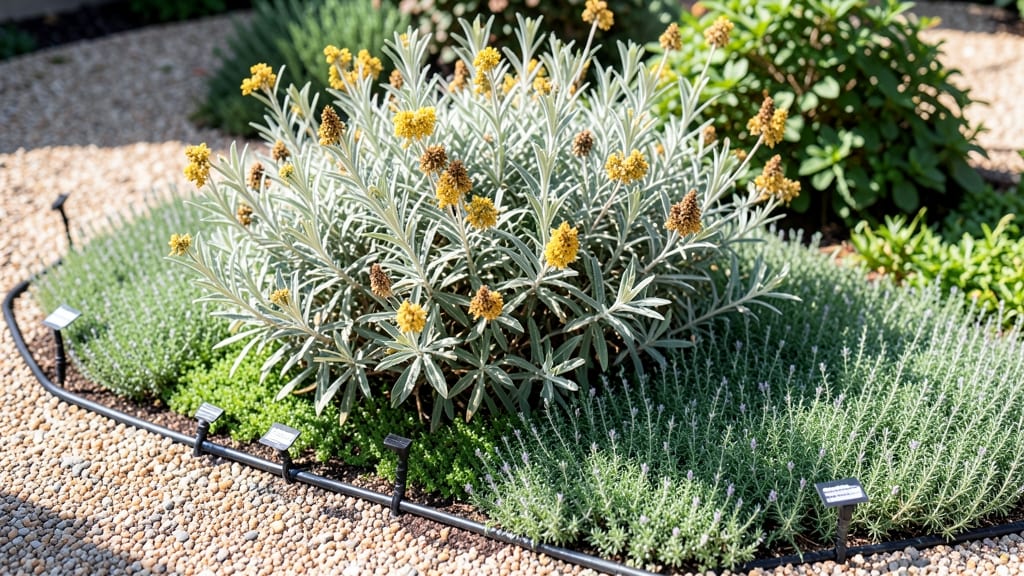
Understanding the Boise garden zone is essential for planning your planting schedule, as it falls within USDA Hardiness Zones 6b-7a with frost-free periods from mid-April to early October. Spring frost typically ends around May 15, while fall frost arrives near October 15, shaping when to plant annuals and perennials for optimal growth.
Boise's garden zone classification isn't just about numbers—it reflects the city's unique climate patterns influenced by elevation and urban heat pockets. 🌱 For example, areas near the Boise River often experience slightly milder winters due to the microclimate effect, allowing gardeners to push planting dates a few days earlier.
Meanwhile, higher elevations like those near the foothills may see frost lingering a week longer. This variation means adjusting your planting timeline based on your specific location within the city.
What really matters for gardeners is how these zones translate into actionable planting deadlines.
The average last frost date of May 15 gives you a clear window to start planting warm-season crops like tomatoes and peppers, while the October 15 first frost date signals when to harvest or protect tender plants.
I've found that using row covers can extend the growing season by 2-3 weeks, which is especially helpful for late-season vegetables like kale or spinach.
💡 In This Article
- Boise’s USDA Hardiness Zones and Microclimates
- Boise Planting Calendar: Exact Deadlines by Season
Boise’s USDA hardiness zones and microclimates
Boise’s classification as USDA Hardiness Zones 6b-7a reflects its semi-arid climate, where winter lows typically range from -5°F to 5°F in Zone 6b and 5°F to 10°F in Zone 7a. The city’s elevation—averaging 2,700 feet—plays a critical role in temperature fluctuations, with colder air settling in low-lying areas and warmer conditions lingering near higher elevations or urban heat islands.
This creates microclimates where gardeners in downtown Boise might plant 2-3 days earlier than those in the foothills.
The transition between zones isn’t just about temperature but also about plant survival rates. For instance, a Zone 6b plant like Russian olive can withstand -15°F without damage, while a Zone 7a plant like Mexican feather grass thrives in 5°F conditions.
The 10°F difference between these zones means gardeners in Zone 6b areas should choose cold-hardy perennials like lavender or catmint, while Zone 7a gardeners can experiment with slightly tender varieties like rosemary or oregano.
Urban heat islands—where pavement and buildings absorb heat—can raise temperatures by 5-10°F in city centers compared to rural areas. This effect extends the growing season by 7-10 days in these pockets, allowing for earlier spring plantings of heat-loving crops like tomatoes or peppers.
Conversely, frost pockets in low-lying areas near the Boise River can delay planting by 5-7 days, so monitoring local weather stations (like those at the Boise Airport or Garden City) is key for precision planning.
Soil temperature is another critical factor tied to these zones. For cool-season crops like lettuce or peas, soil should reach 40-45°F before planting, while warm-season crops like cucumbers need 60°F+.
In Boise, this typically aligns with late March to early April for cool crops and mid-May to June for warm crops, but microclimates can shift these windows by 1-2 weeks depending on location.
Gardeners can leverage these microclimates strategically. For example, planting heat-sensitive crops like basil in Zone 7a pockets during early summer allows for a longer harvest, while placing cold-hardy kale in Zone 6b areas ensures winter survival.
Understanding these nuances means the difference between a thriving garden and one struggling against unexpected frost or heat stress.
One practical tip: Use a minimum-maximum thermometer in your garden for a month to identify your exact microclimate. This data will help you fine-tune planting dates and select the right varieties for your specific corner of Boise.