
Shrubs
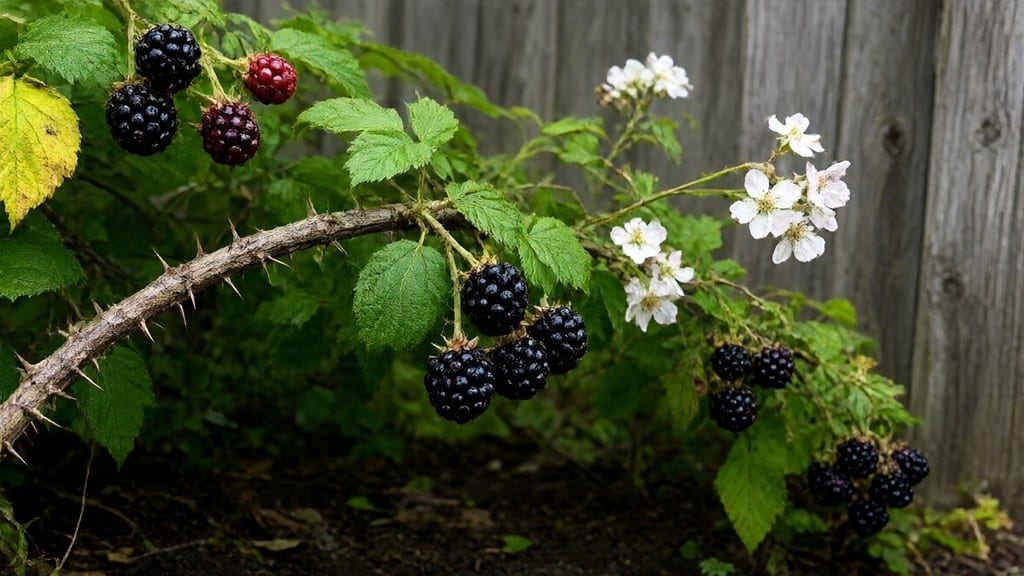
Growing a blackberry in your garden 🫐 delivers the sweetest rewards—but only if you get the care right from the start.
Picture this: juicy, ripe blackberries straight from your backyard, ready to be turned into jams, pies, or eaten fresh off the vine. Yet, many gardeners give up after wrestling with thorny canes or watching their plants struggle to produce.
The secret isn’t just patience; it’s knowing exactly when to plant, how to prune, and what to watch for to avoid common pitfalls.
In USDA Zone 6a, timing is everything—planting too early or too late can mean the difference between a thriving bush and a sad, underperforming one.
This guide breaks down the year-round care you need to keep your blackberries healthy, productive, and ready for a harvest that’ll make your neighbors jealous.
From selecting the perfect spot to managing pests and pruning like a pro, you’ll learn the exact steps to turn your garden into a blackberry powerhouse—no guesswork required.
How to choose and plant blackberry varieties for maximum yield
Selecting the right blackberry variety is the foundation of a productive garden. With options ranging from thornless to thorny varieties and summer-bearing to fall-bearing types, each brings unique advantages. I’ve grown both in my garden, and the difference in yield and ease of harvest is night-and-day.
Let’s break down the key choices and how to plant them for maximum productivity.
Your first decision is whether to grow thornless or thorny blackberries. Thornless varieties like ‘Natchez’ or ‘Chester’ are easier to pick and maintain, making them ideal for home gardens. Thorny varieties, such as ‘Triple Crown’, often produce larger yields but require gloves and careful handling.
If you’re new to growing blackberries, I recommend starting with a thornless variety to avoid frustration.
Next, consider the harvest season. Summer-bearing varieties produce one large crop in late summer, while fall-bearing (or everbearing) varieties yield two smaller harvests—one in summer and another in early fall.
Fall-bearing types like ‘Ouachita’ are perfect if you want a longer harvest window, but they require more consistent care to thrive.
Now, let’s compare the top varieties to help you decide which fits your garden best.
| Variety | Type | Thorns | Harvest Season | Yield Potential | Best For |
|---|---|---|---|---|---|
| Natchez | Fall-bearing | Thornless | Summer & Fall | High | Home gardens, easy picking |
| Chester | Summer-bearing | Thornless | Late summer | Very High | Commercial & home use |
| Triple Crown | Fall-bearing | Thorny | Summer & Fall | Extreme | Large-scale production |
| Ouachita | Fall-bearing | Thornless | Summer & Fall | High | Southern climates, long harvest |
Once you’ve chosen your blackberry variety, the next step is selecting the perfect planting location. Blackberries thrive in full sun, needing at least 6-8 hours of direct sunlight daily.
In my garden, I planted mine along a south-facing fence, which provides the ideal exposure while also offering support for the vines to climb. Avoid low-lying areas where cold air settles, as blackberries are sensitive to frost.
Soil quality is just as critical as sunlight. Blackberries prefer well-draining soil with a slightly acidic pH between 5.5 and 6.5. Before planting, I tested my soil and amended it with compost and a balanced fertilizer (10-10-10) to ensure the roots had the nutrients they needed.
If your soil is heavy clay or sandy, consider planting in a raised bed for better drainage and root development.
Timing your plant is crucial for root establishment. The best time to plant blackberries is in late winter or early spring, just as new growth begins but before the first frost. In my USDA Zone 7 garden, I plant in early March.
If you’re in a colder climate, wait until after the last frost date. For container gardening, you can plant slightly later, but ensure the container has adequate drainage to prevent root rot.
When planting, dig a hole that’s twice as wide as the root ball but only as deep. This encourages the roots to spread outward rather than sink too deeply. Place the plant so the crown (where the roots meet the stem) sits just above the soil line.
Backfill the hole with a mix of native soil and compost, then water thoroughly to settle the soil and eliminate air pockets.
After planting, mulch around the base of the plant with 2-3 inches of organic mulch, such as straw or wood chips. Mulching helps retain moisture, suppress weeds, and regulate soil temperature.
I use straw because it breaks down slowly and adds organic matter to the soil over time. Avoid piling mulch directly against the stems, as
Year-round blackberry care: pruning, fertilizing, and pest control
Blackberries demand year-round attention to produce juicy, abundant fruit every season. Unlike many plants, they require seasonal pruning, targeted fertilization, and proactive pest control to prevent diseases like anthracnose or spider mites.
The key is balancing growth with fruit production—too much pruning reduces yield, while too little invites pests. Let’s break down the month-by-month care to keep your blackberries thriving from winter dormancy to fall harvest.
Start with winter protection—blackberries are hardy but benefit from mulching and cane wrapping to shield roots from freezing. As spring arrives, focus on renewal pruning to remove dead canes and shape the plant for summer’s heavy fruit load.
Summer is all about fertilizing and watering strategies, while fall prep ensures next year’s canes develop strong. Each season has its own critical tasks, and skipping even one can drastically reduce your harvest.
- Winter (Dec-Feb): Protect canes with 4-6 inches of mulch and wrap young plants in burlap to prevent frost damage. Avoid pruning—wait until late winter when new growth appears.
- Early Spring (Mar-Apr): Prune out dead or weak canes and thin crowded growth to improve airflow. Apply a balanced 10-10-10 fertilizer to encourage new shoots.
- Summer (May-Aug): Feed plants every 4-6 weeks with high-potassium fertilizer (like 5-10-10) to boost fruiting. Monitor for Japanese beetles and spider mites—spray with neem oil at first sign.
- Fall (Sep-Nov): After harvest, prune fruit-bearing canes to ground level. Add compost to replenish soil nutrients for next year’s growth.
For organic pest control, introduce beneficial insects like ladybugs to combat aphids, and use row covers to deter birds. A regular spray schedule with neem oil or insecticidal soap keeps pests at bay without chemicals.
Even thornless varieties need protection—pests don’t discriminate! My favorite trick is planting marigolds nearby to repel nematodes naturally.
Fertilizing is an art: too much nitrogen leads to leafy growth with few berries, while too little starves your plants. In spring and summer, I use a slow-release fertilizer like composted manure or a granular 10-10-10 blend applied in early morning to avoid leaf burn.
Always water deeply afterward to activate nutrients. Fall fertilization is a big no-no—it encourages late-season growth that won’t harden off before frost.
Don’t overlook soil health. Blackberries thrive in slightly acidic soil (pH 5.5–6.5). Test your soil annually and amend with sulfur if pH creeps above 6.5. A well-draining bed with organic matter prevents root rot, a common issue in heavy clay.
My go-to amendment is a mix of compost and peat moss, worked into the top 12 inches of soil every 2–3 years.
With this seasonal care plan, your blackberries will reward you with bountiful, disease-free fruit for years. The secret? Consistency. Stick to the schedule, and your plants will tell you when they’re happy—through lush canes, plump berries, and minimal pest pressure. Happy growing! 🌱