
Pests
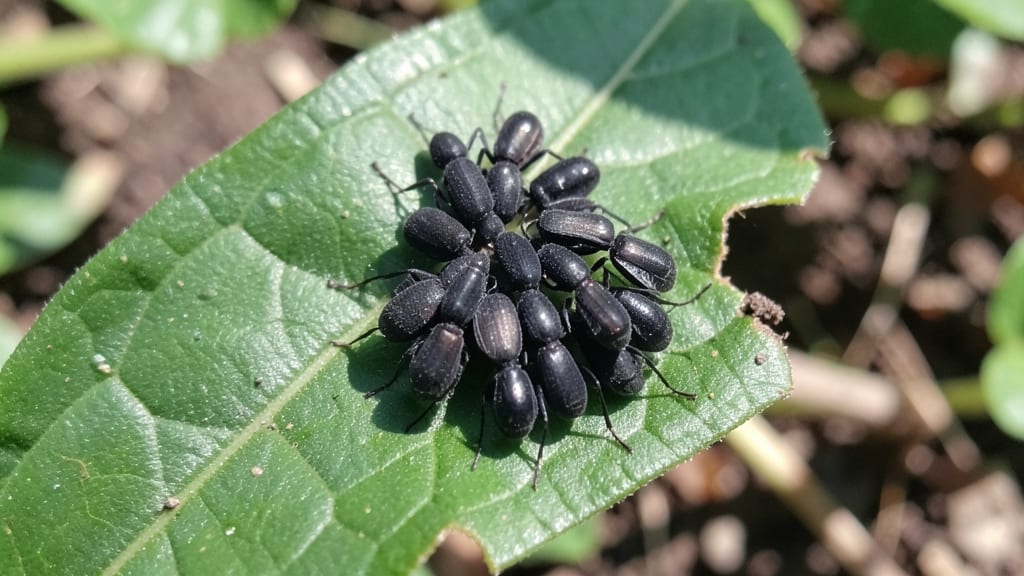
Those tiny black bugs in your garden aren't pests—they're edible treats with a nutty, earthy crunch. 🌿 I used to squish them on sight, but after tasting them fresh, I now harvest them like wild nuts. They thrive in sunny, dry spots and multiply faster than weeds.
The secret to harvesting them is patience and timing. Wait until they're fully grown—about 1/4-inch long—then collect them in the early morning when they're slowest. A simple fine-mesh strainer or clean jar works perfectly. You'll need just 10 minutes of your time for a satisfying snack.
Once dried or lightly toasted, they taste like a cross between peanuts and mushrooms, with a satisfying crunch. Sprinkle them on salads, mix into trail mixes, or enjoy them straight from the jar. The flavor is surprisingly rich for something so small.
This works best in zones 5-9 during late summer, but you can also grow them in containers if space is tight. Just keep the soil dry and the sun shining—these little powerhouses take care of themselves once established.
Common Triggers For Tiny Invaders
Discovering tiny black bugs in your garden isn’t just uninvited—it’s often a sign your plants are sending out a distress signal. These pests don’t just appear out of nowhere; they’re drawn by specific conditions that make your garden look like an all-you-can-eat buffet.
Understanding why they show up is the first step to kicking them out for good. Let’s break down the science behind their unannounced visits.
🌱 Overwatered soil creates a bug buffet
Black bugs—especially fungus gnats or shiny black aphids—love damp, soggy soil. Here’s why:
- Moisture Magnet: Overwatering keeps soil consistently damp, creating the perfect breeding ground for fungus gnats. Their larvae thrive in waterlogged conditions, feeding on decaying organic matter.
- Root Stress: Saturated soil cuts off oxygen to roots, weakening plants. Stressed plants release sugars through their leaves, which attract sap-sucking bugs like aphids.
- Mold & Fungus: Excess moisture encourages fungal growth, which some black bugs (like black vine weevils) feed on directly.
Actionable Fix: Let the top 1–2 inches of soil dry between waterings. Use well-draining pots or raised beds if your garden retains too much moisture.
🍃 Weakened plants are easy targets
Healthy plants repel pests naturally, but when they’re struggling, bugs take advantage. Common culprits include:
- Nutrient Deficiencies: Plants low in nitrogen or phosphorus are less resilient. Black bugs like black bean aphids target these because they’re easier to penetrate.
- Pests Already Present: If you’ve had spider mites or whiteflies, they damage plant cells, releasing sticky honeydew that attracts black ants and other scavengers.
- Disease Pressure: Fungal or bacterial infections (like powdery mildew) create entry points for bugs. Black mold mites often follow infected foliage.
Actionable Fix: Boost plant health with balanced fertilizer (10-10-10) and neem oil sprays to deter early infestations.
🌿 Decaying organic matter attracts breeders
Compost piles, fallen leaves, and mulch aren’t just garden helpers—they’re bug hotels. Black bugs like:
- Black soldier fly larvae (harmless but annoying) and black fungus gnats lay eggs in decomposing plant matter.
- Carpet beetles (tiny black adults) seek out decaying fabric or animal products in gardens.
- Earwigs (shiny black) hide under damp mulch and leaf litter during the day.
Actionable Fix: Turn compost regularly, remove thick mulch layers, and clear debris from plant bases to eliminate hiding spots.
🌡️ Warm, humid climates speed up reproduction
Black bugs reproduce faster in heat and humidity. For example:
- Fungus gnats complete their life cycle in 7–10 days in warm soil (70°F+).
- Black aphids multiply exponentially when temperatures hit 75°F+ and humidity stays above 60%.
- Scale insects (black armored varieties) thrive in stagnant, warm microclimates like greenhouses or dense foliage.
Actionable Fix: Improve airflow with pruning, use shade cloth in peak summer, and avoid over-fertilizing with nitrogen (which boosts bug-friendly foliage growth).
Most black garden bugs are drawn by a mix of these factors. The good news? Fixing one or two triggers often sends them packing. Next, we’ll cover how to tell them apart so you can target the right solutions.
Quick Fixes for Unwanted Black Garden Invaders
Discovering black bugs in your garden can be frustrating, but don’t panic—most are harmless, and a few are even edible! However, if these critters are damaging your plants or overrunning your space, it’s time to take action.
Below, we’ve mapped out practical solutions tailored to the most common causes, from overpopulation to plant stress. Each fix is designed to be easy, effective, and eco-friendly.
🐞 Overpopulation: Too Many Black Bugs in One Spot
If your garden is swarming with black bugs (like Lasius niger ants or earwigs), the issue is likely sheer numbers. These bugs thrive in moist, sheltered environments, so reducing their habitat is key.
🔥 Step 1: Disrupt Their Nesting Sites
- Remove debris: Clear away leaf litter, mulch piles, and rotting wood where bugs hide. Use a rake or shovel to break up compacted soil near foundations or garden edges.
- Seal entry points: Check for cracks in pots, fences, or garden structures. Use caulk or fine mesh to block access.
- Relocate nests: If you spot an ant colony, avoid crushing it. Instead, use a shop vac or soapy water to gently relocate them to a less problematic area (like a far corner of your yard).
🍳 Step 2: Natural Repellents to Thin the Crowd
Black bugs dislike strong scents and dry conditions. Try these non-toxic methods:
- Diatomaceous earth (DE): Sprinkle food-grade DE around plants and entry points. It dehydrates bugs without harming plants or pets (just reapply after rain).
- Essential oil spray: Mix 10 drops of peppermint, citrus, or eucalyptus oil with 1 cup of water and 1 tsp of dish soap. Spray directly on bugs and nesting sites. Pro tip: Reapply every 3–4 days or after rain.
- Coffee grounds: Scatter used grounds around plants—bugs hate the smell, and it enriches soil as it breaks down.
🌡️ Step 3: Adjust Moisture Levels
Black bugs love dampness. Reduce their comfort zone by:
- Improving drainage in garden beds with compost or sand.
- Avoiding overhead watering; water plants at the base instead.
- Using gravel or pine straw as mulch to keep soil drier.
🌱 Plant Stress: Bugs Feasting on Weak Plants
Some black bugs, like Blissus leucopterus (chinch bugs) or aphids, target stressed or unhealthy plants. If your garden is their buffet, strengthening your plants is the first line of defense.
👨🍳 Step 1: Boost Plant Health
- Fertilize properly: Use a balanced, organic fertilizer (like compost or worm castings) to provide nutrients without overfeeding. Pro tip: Test your soil first—over-fertilizing attracts pests!
- Prune for airflow: Trim dense foliage to improve circulation, reducing humidity and making plants less appealing to bugs.
- Water deeply but less often: Encourage strong root growth by watering early in the day and letting soil dry slightly between sessions.
🔪 Step 2: Targeted Pest Control
For bugs that chew or suck plant sap, act fast with these methods:
- Handpick or dislodge: Early morning is the best time to spot bugs. Knock them into soapy water (1 tbsp dish soap per gallon of water) or crush them in a jar of rubbing alcohol.
- Introduce predators: Ladybugs, lacewings, and birds eat many black garden pests. Attract them with native plants like dill, fennel, or marigolds.
- Neem oil spray: Mix 1 tbsp neem oil with 1 tsp mild soap and 1 quart of water. Spray infested areas at dusk to avoid harming bees.
⏰ Step 3: Monitor and Rotate Treatments
Pests often develop resistance, so rotate methods. Check plants weekly for early signs of infestation (yellowing leaves, sticky residue, or tiny holes).
🌿 Prevention Tips: Keep Bugs at Bay Long-Term
An ounce of prevention is worth a pound of cure. Implement these habits to minimize future black bug problems:
- 💡 Diversify your garden: Plant a variety of herbs, flowers, and vegetables to disrupt pest life cycles. Bugs like tagetes (marigolds) and alliums (onions/garlic) naturally repel many pests.
- 🔥 Maintain garden hygiene: Regularly remove fallen fruit, dead plants, and weeds—these are bug magnets.
- 🌡️ Use row covers: For delicate plants, cover them with lightweight fabric to block flying pests while allowing sunlight and water.
- ✨ Encourage biodiversity: Leave some “wild” areas in your garden (like a patch of clover or a small pond) to support beneficial insects and birds.
With these targeted solutions, you’ll regain control of your garden without resorting to harsh chemicals. Most importantly, stay patient—some methods take time to show results, but consistency pays off! 🌱
Frequently asked questions
Are the black bugs in my garden the same as the ones featured in this recipe?
The edible "black bugs" in this recipe are actually black soldier fly larvae, a nutrient-rich, crunchy snack with a nutty flavor. Most garden pests (like fungus gnats or aphids) are tiny but not edible—always confirm identification before harvesting. These larvae thrive in compost bins or leaf litter and are safe to eat when dried properly.
How do I tell if the black bugs I found are safe to eat?
Look for 1/4-inch black larvae with a smooth, segmented body—these are black soldier fly larvae. Avoid shiny black bugs (like earwigs) or tiny crawling pests (fungus gnats). Always harvest from clean, undisturbed garden areas, and dry them thoroughly at 110°F for 24 hours to kill any pathogens.
Can I grow the edible black bugs in my garden intentionally?
Yes! Set up a dedicated compost bin or use a shallow tray filled with moistened coconut coir. Black soldier fly larvae will naturally colonize it. Keep it in a sunny spot and feed them with fruit scraps or veggie trimmings. They’ll multiply quickly and can be harvested in 2-3 weeks.
What’s the best way to prepare these bugs for eating?
Start by washing the larvae gently with water, then dry them completely. Lightly toast them in a pan for 5-7 minutes at medium-low heat until crispy. For extra flavor, sprinkle with smoked paprika or sea salt. Avoid raw consumption unless pre-treated for safety.
Are there any health risks with eating these black bugs?
When prepared correctly, black soldier fly larvae are safe and packed with protein and healthy fats. However, always source them from pesticide-free environments. If you’re sensitive to shellfish, consult a doctor first—some people report mild cross-reactivity.