
Picking
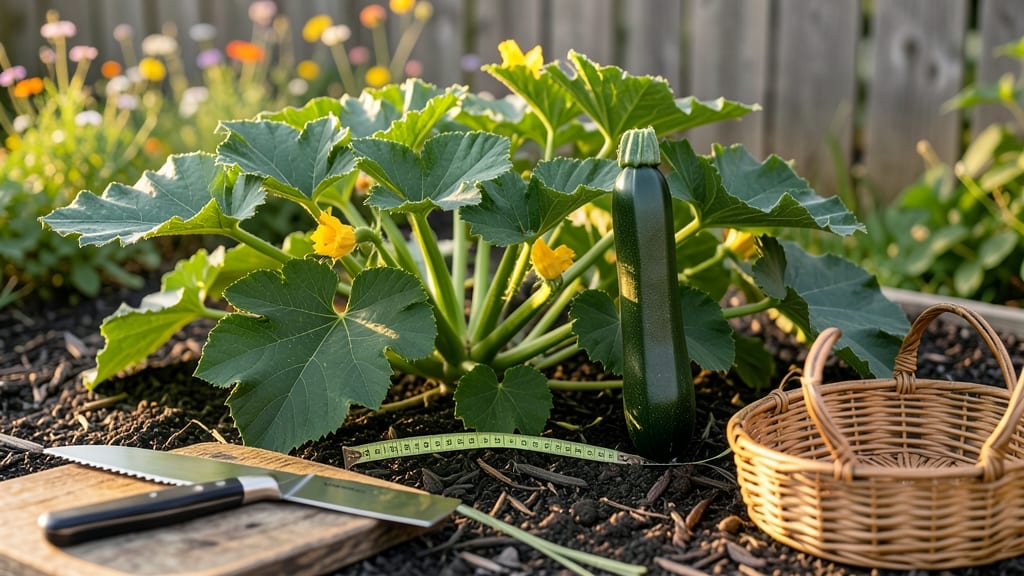
To pick zucchini from your garden at the perfect moment means the difference between tender, flavorful slices and tough, seedy disappointment — and the key is knowing exactly when those 🎃 globes are ready.
Harvesting zucchini at the wrong stage can turn your prized crop into a kitchen headache. Too early, and you’re left with underdeveloped fruit; too late, and you’re fighting bitter, seedy giants. The secret lies in three simple cues: size, skin firmness, and a little-known trick involving the blossom.
Most gardeners wait until zucchini reach 6–8 inches long, but timing isn’t just about length. A deep green color, a slight give when pressed, and a yellowing stem end signal peak ripeness.
Miss these signs, and you risk wasting your hard work — or worse, overwhelming your plant with too much fruit.
In this guide, I’ll walk you through the exact visual cues to watch for, common mistakes that ruin harvests, and even how to use overripe zucchini before it goes to waste. Let’s make sure your garden yields the best-tasting 🎃 harvest possible.
How to determine zucchini ripeness using 3 key signs (skin, size, and blossom tricks)
Picking zucchini at the perfect moment transforms your harvest from mealy and seedy to sweet, tender perfection. The key lies in understanding three simple but critical signs: skin texture, size, and blossom clues.
I’ve learned the hard way that ignoring these cues leads to overgrown monsters or underripe disappointments—neither of which belong in your kitchen. Let’s break down exactly what to look for in your garden.
First, the skin’s firmness is your best friend. A ripe zucchini should yield slightly when pressed with your thumbnail but still feel firm to the touch. Think of it like testing a ripe avocado—just enough give to know it’s ready without being mushy.
This 6-8 inch size range is ideal, but don’t let the numbers fool you; size alone isn’t enough. The skin should also be deep, consistent green without any yellowing or blemishes.
3 Signs Your Zucchini Is Perfectly Ripe
- 1 Skin Test: Press gently—ripe zucchini should yield slightly but not feel soft. Use your thumbnail for precision.
- 2 Size Check: Aim for 6-8 inches long. Anything smaller is underripe; larger means seedy and tough. Measure before you pick!
- 3 Blossom Trick: Check the stem end. A ripe zucchini will have a yellowish stem (not green). This signals peak sweetness and tenderness.
The blossom trick is often overlooked but can save you from bitter zucchini. After a flower blooms, it typically drops off, leaving a small scar where the stem meets the fruit. If the stem end is yellowish or brownish, your zucchini is ready.
A green stem end means it’s still maturing—wait a day or two. This method works even for bush varieties and vining types, so don’t skip it!
Timing your harvest also matters. Morning is the best time to pick because zucchini loses moisture quickly in the heat. Grab your sharp pruning shears or a knife and cut the fruit 1 inch above the blossom end.
This prevents damage to the vine and encourages more production. I always harvest mine before the heat of the day to keep them crisp and flavorful.
Overripe zucchini can become woody and seedy, while underripe ones lack sweetness. The 6-8 inch rule is a great starting point, but combine it with the skin and blossom tests for foolproof results.
Pro tip: If you’re unsure, pick a few and taste-test them. You’ll quickly learn what “just right” feels like in your hands.
One mistake I made early on was waiting too long because I thought bigger zucchini meant better flavor. Wrong! The earlier you pick, the more tender and sweet the zucchini will be.
Think of it like harvesting green beans—consistent, frequent picking leads to a better yield. Check your plants every 2-3 days during peak season to stay on top of harvests.
For storage tips, keep freshly picked zucchini in the fridge for up to a week. If you’re not using them immediately, try freezing or pickling to preserve their flavor. Overripe zucchini can still be used in bread or soups, but they won’t have that prized garden-fresh taste.
The goal is to enjoy them at their peak—when they’re firm, tender, and full of flavor.
Now that you know the signs, grab your shears and head to the garden. The next time you spy a zucchini reaching 6-8 inches with a slightly yielding skin and a yellowish stem, you’ll be ready to pick it at the perfect moment. Happy harvesting! 🌱
Zucchini harvesting mistakes that ruin your crop (and how to avoid them)
Even experienced gardeners make zucchini harvesting mistakes that turn tender, flavorful squash into tough, seedy disappointments. The key to avoiding these errors starts with understanding when to pick zucchini from your garden—and what to watch for beyond just size.
I’ve learned the hard way that skipping these critical steps can lead to bitterness, blossom end rot, or even stunted plant growth.
One of the biggest mistakes is harvesting too early, which results in underdeveloped fruit that lacks sweetness. On the flip side, waiting too long turns zucchini into oversized, stringy monsters.
The perfect harvest window is narrow, and missing it means wasted effort. Let’s break down the most common pitfalls and how to sidestep them for a bountiful, delicious harvest.
⚠️ Critical Mistake: Picking at the Wrong Stage
Zucchini should be harvested when they’re 6-8 inches long with deep green, matte skin. If the stem end is still green (not yellow), the squash isn’t ready. Waiting until the stem turns yellow-brown is your cue—this means the fruit is at peak flavor and texture.
Another frequent error is ignoring the plant’s health while harvesting. Overloading vines with too many zucchini forces the plant to divert energy away from producing new flowers. This leads to fewer fruits and weaker plants.
I’ve seen gardeners accidentally stress their zucchini plants by letting too many squash grow at once, which can even trigger blossom end rot due to calcium deficiency from uneven growth.
To avoid this, I recommend harvesting at least one zucchini every 2-3 days during peak production. This keeps the plant focused on flowering and fruiting rather than supporting oversized squash.
Always use a sharp knife or pruners to cut the stem about 1 inch above the fruit—never twist or pull, as this can damage the plant and create entry points for disease.
Bitterness is another telltale sign of harvesting mistakes, often linked to overripe zucchini or uneven watering. If your zucchini tastes bitter, it’s a red flag that you’ve waited too long or the plant was stressed.
To prevent this, I check for firmness and color consistency—dark green squash with a slight give when pressed are ideal. Store harvested zucchini in a cool, dry place (not the fridge) for up to a week to maintain freshness.
Finally, don’t overlook the importance of morning harvests. Picking zucchini in the early hours ensures you’re harvesting the freshest fruit, which is firmer and less prone to bruising. This simple habit has saved me from throwing away wilted or damaged squash after a long day in the garden.
By following these tips, you’ll avoid the most common zucchini harvesting mistakes and enjoy a steady supply of tender, flavorful squash all season.