
Container Gardens
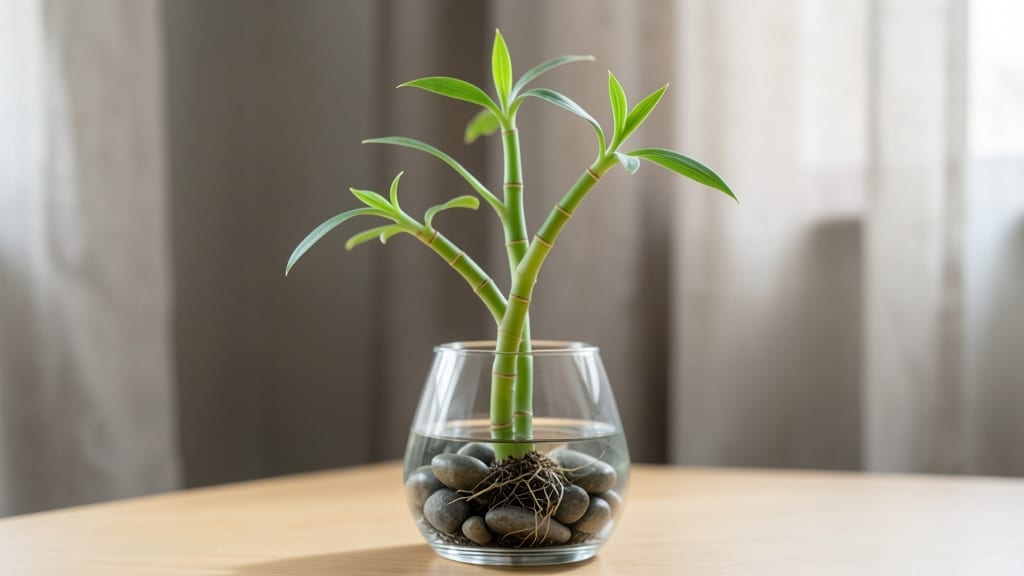
A bamboo garden in Chicago thrives with cold-hardy clumping varieties like Fargesia or Borinda, planted in large containers with proper drainage, and positioned in partial shade with wind protection to survive harsh winters and prevent aggressive spread.
Chicago's USDA Zone 5-6 climate demands careful bamboo selection—clumping types like Fargesia stay contained and handle winter dips below -20°F better than running varieties. 🌿 The key is using 15+ gallon containers with drainage holes to prevent root rot, while positioning near north-facing walls shields them from windburn.
I've seen firsthand how proper winterizing (like wrapping containers with burlap) can mean the difference between a thriving garden and lost plants by spring.
For urban spaces, container size matters most—smaller pots restrict growth but require more frequent watering. Mixing 50% potting soil with 50% perlite improves drainage, and adding a 2-inch layer of gravel at the bottom prevents waterlogging.
What's surprising is how quickly bamboo adapts when given these basics—even in Chicago's unpredictable weather.
💡 In This Article
- Cold-Hardy Bamboo Varieties for Chicago Climates
- Container Planting Tips for Urban Bamboo Gardens
Cold-hardy bamboo varieties for Chicago climates
Chicago's USDA Zone 5-6 winters demand bamboo varieties that can withstand temperatures dropping to -20°F without permanent damage. Clumping bamboo species like Fargesia (e.g., Fargesia robusta or Fargesia nitida) are ideal because their individual culms (stems) grow independently, preventing the aggressive spreading seen in running types like Phyllostachys.
This growth habit is crucial—running bamboo can spread 3-5 feet per year if unchecked, while clumping varieties stay contained within their planted area. 🌿
The secret to their cold hardiness lies in their native habitats. Fargesia species originate from mountainous regions of China and Japan, where they're exposed to similar temperature extremes. Their rhizomes (underground stems) store energy and moisture, allowing them to survive winter dormancy.
For example, Fargesia murielae can handle -15°F with proper mulching, while Borinda varieties like Borinda fastuosa push limits to -25°F when planted in containers with insulation. The key difference is their leaf structure—thicker, waxy leaves reduce water loss during freezing temperatures.
When selecting varieties, consider mature height and width. Fargesia robusta reaches 6-10 feet tall but stays 3-5 feet wide, making it perfect for urban spaces. Borinda species are more compact, typically 4-6 feet tall and 2-3 feet wide, ideal for smaller containers.
What's often overlooked is their growth rate—most cold-hardy clumping bamboo grows 1-2 feet per year, so they won't outpace your garden's design quickly. This steady growth makes them far more manageable than their running counterparts.
Color and texture also play a role in winter survival. Varieties with blue-green or yellow-green foliage tend to handle frost better than dark green types because their pigments reflect more sunlight, reducing heat stress.
For instance, Fargesia 'Rufa' with its reddish stems and leaves thrives in Chicago's climate, while Fargesia denudata (with its golden canes) adds winter interest. The trade-off? Some colorful varieties may grow slightly slower, but their ornamental value makes them worth the wait.
One common mistake is assuming all clumping bamboo is winter-hardy. Sasa species, while clumping, often struggle below -10°F unless heavily mulched. Always check specific variety ratings—what works for Fargesia in Zone 5 might fail for Borinda in Zone 6 if planted in poor soil.
The rule of thumb: Zone 5 varieties are your safest bet, with Zone 6 varieties needing extra winter protection.
For visual impact, consider planting Fargesia 'Fragrant Issai'—its fragrant flowers and compact form make it a standout, while Borinda fastuosa offers dramatic vertical lines. Both handle Chicago's wind and snow better than tropical varieties.
The key is matching the plant's natural resilience to your microclimate—north-facing walls provide 10-15°F more protection than open spaces, so position containers accordingly. 💫