
Size
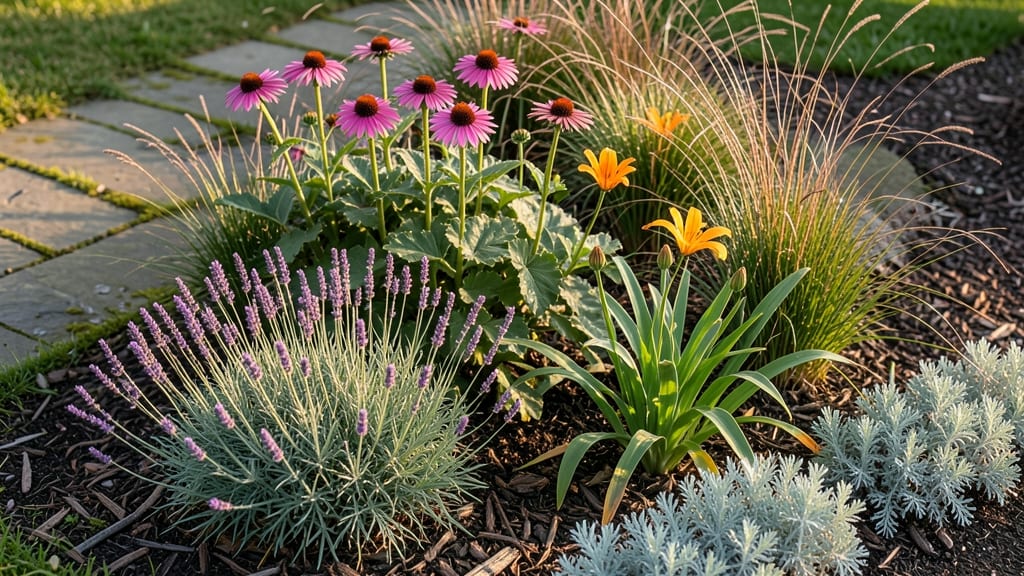
Determining the average size of a garden depends on your location and goals, with urban plots typically measuring 250 to 500 square feet and suburban gardens often expanding to 1,000 to 2,000 square feet. Climate zones play a crucial role in shaping garden layouts, as cooler regions require more compact, sheltered designs while warmer areas can support larger spaces for heat-loving plants.
Garden size isn't just about available space—it's also about what you want to grow and where you live. 🌱 For example, a 500-square-foot urban garden can easily produce enough vegetables for a family of four if you focus on high-yield crops like tomatoes, peppers, and leafy greens.
Meanwhile, suburban gardens often prioritize diversity, allowing room for fruit trees, berry bushes, and even small orchards.
The key is balancing your space with your climate's growing season; in colder zones, you might need raised beds or greenhouses to extend the season, while warmer climates can support year-round planting with minimal protection.
Don't forget that garden purpose shapes size too. A pollinator garden might need just 200 square feet to attract bees and butterflies, while a vegetable plot for a large family could stretch to 1,500 square feet.
Container gardening on patios or balconies proves that even small spaces can be productive—some urban gardeners grow enough herbs in pots to supply their entire kitchen. The right size depends on your goals, not just the numbers.
💡 In This Article
- How Climate Zones Affect Garden Size Planning
- Optimizing Garden Space by Type and Purpose
How climate zones affect garden size planning
Climate zones fundamentally reshape garden size because they dictate what you can grow and how long your growing season lasts. The USDA's 13 climate zones (Zone 1 being coldest, Zone 13 hottest) create dramatic differences in garden design.
For example, in Zone 3 (like Minnesota or Montana), gardeners often limit their plots to 200-300 square feet because the short growing season (just 90-120 days) demands maximum efficiency. You'll see compact raised beds filled with cold-hardy crops like kale, spinach, and potatoes that thrive in cooler temperatures.
Contrast that with Zone 10 (Southern California or Florida), where gardeners can spread out over 1,500+ square feet thanks to year-round growing potential. Here, you'll find sprawling citrus groves, expansive vegetable plots with tomatoes producing 20+ pounds per plant, and even tropical fruits like mangoes in backyard orchards.
The key difference? In hotter zones, gardeners can plant continuously, while colder zones require careful succession planting to maximize every square foot during their brief growing window. 🌿
Microclimates add another layer of complexity. A south-facing wall in Zone 5 might create a 5-10°F warmer microclimate than the surrounding area, allowing you to grow heat-loving plants like peppers or eggplants in a small protected space.
Conversely, low-lying areas in Zone 8 can experience unexpected frost pockets, forcing gardeners to group frost-sensitive plants together in the warmest spots. This is why some Zone 8 gardeners create "frost-free" zones using windbreaks or cold frames, effectively expanding their usable growing area within a fixed plot size.
Seasonal windows also force creative space solutions. In Zone 4, where winters are harsh, gardeners often use greenhouses or cold frames to extend the season by 4-6 weeks on either end, effectively doubling their growing capacity in the same space.
Meanwhile, in Zone 7, gardeners might focus on vertical gardening with trellises for vining crops like cucumbers or beans, saving precious ground space for more high-value plants. The right climate zone forces you to think differently about space efficiency versus expansion.
Plant selection becomes the ultimate space-saving tool. In cooler zones, gardeners prioritize high-calorie crops per square foot—think potatoes (which grow underground) or leafy greens that regrow after harvest. In warmer zones, you might dedicate space to low-maintenance perennials like asparagus or rhubarb that produce for years with minimal replanting.
This strategic approach means a 300-square-foot garden in Zone 3 could feed a family just as well as a 1,000-square-foot garden in Zone 10, depending on crop choices and techniques. 🌱
Don't overlook how climate affects water needs and soil preparation. In arid Zone 9, gardeners might limit their plots to 500 square feet to manage water efficiently, using drip irrigation and mulch to conserve moisture.
Meanwhile, in humid Zone 6, larger plots are possible because rainfall is more reliable, but you'll need to account for fungal diseases that thrive in damp conditions by spacing plants properly. These practical considerations often determine whether you'll expand your garden or keep it compact.
The bottom line? Climate zones don't just influence size—they dictate the strategy behind your garden's layout. A well-planned 300-square-foot garden in Zone 3 can be just as productive as a sprawling 1,500-square-foot plot in Zone 10, if you adapt your approach to local conditions.
The key is working with your climate, not against it. ✨