
Planting
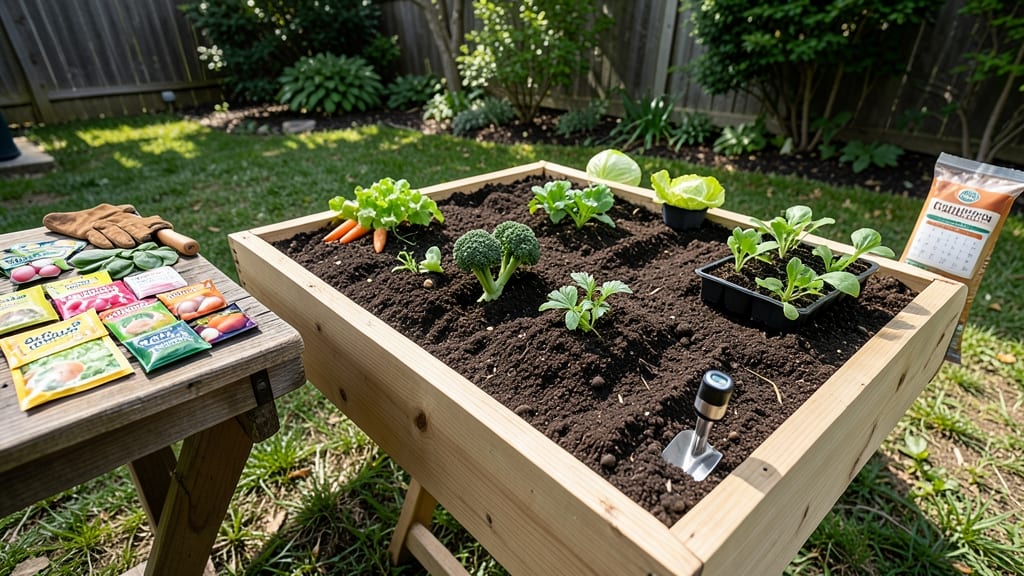
To plant a vegetable garden in Ontario, time your sowing between late April and early June—missing this window risks frost damage or stunted growth.
Ontario’s unpredictable weather can make or break your vegetable garden—planting too early risks frost damage, while waiting too long cuts harvests short. Mastering the perfect timing ensures your tomatoes, peppers, and greens thrive from seed to table.
Cool-season crops like lettuce and peas can go in as early as March in warmer zones, while heat-loving tomatoes and cucumbers need to wait until after the last frost—usually mid-May in most regions.
The difference between a bountiful harvest and a sad patch of wilting plants often comes down to these zone-specific deadlines.
In this guide, I’ll break down frost dates by region, share a month-by-month planting calendar for Ontario’s top vegetables, and show you how to adjust for late frosts or early heatwaves. Whether you’re in Toronto, Ottawa, or the far north, you’ll learn exactly when to plant for the best results.
Ontario planting zones: when to start seeds indoors vs. direct-sowing outdoors
Ontario’s USDA planting zones 5a-6b create dramatic differences in frost timing—Zone 5a (northern Ontario) can see last spring frosts in late May, while Zone 6b (southwestern Ontario) often warms up by mid-April.
These variations mean your tomato seeds started in March for Zone 5 might need to wait until April in Zone 6a. Understanding these frost-free windows is the key to avoiding wasted seeds and disappointed harvests.
For gardeners in Toronto (Zone 6a), the average last frost date falls around May 15, while Ottawa (Zone 5a) typically waits until May 25.
In London (Zone 6a), you can often start direct-sowing peas by early April, but cucumbers must wait until late May to avoid frost damage. These regional differences mean your planting schedule should shift 2-4 weeks depending on where you live in the province.
| Zone & Location | Avg Last Spring Frost | Avg First Fall Frost | Indoor Seed Start (Tomatoes/Peppers) | Direct-Sow Cool Crops | Direct-Sow Warm Crops |
|---|---|---|---|---|---|
| Zone 5a (Ottawa, North Bay) | May 25 | September 20 | March 15-April 1 | April 15-May 1 | May 25-June 10 |
| Zone 5b (Peterborough) | May 15 | September 25 | March 1-April 15 | April 1-May 15 | May 15-June 1 |
| Zone 6a (Toronto, London) | May 15 | October 1 | March 1-April 1 | March 20-April 30 | May 15-June 15 |
| Zone 6b (Niagara, Windsor) | April 25 | October 15 | February 15-March 15 | March 1-April 15 | April 25-May 15 |
*Dates based on 30-year averages; adjust 1-2 weeks for early/late years
Knowing your last frost date isn’t enough—you also need to calculate backwards from harvest time. For example, tomatoes need 70-85 days to mature, so if you want ripe fruit by September 1, you must have transplants ready by July 1.
This means starting seeds indoors by early May in Zone 5a or late April in Zone 6b. For fast-maturing crops like radishes (25 days), you can afford to wait until late April for direct sowing even in northern zones.
Direct-sowing cool-season crops like spinach, peas, and lettuce can often go in the ground 4-6 weeks before your last frost date. In Toronto, that means late March to early April for these hardy plants.
However, warm-season crops like cucumbers, beans, and peppers require soil temperatures above 10°C (50°F), which typically happens 2-4 weeks after your last frost. In Ottawa, that’s usually early June—planting too soon risks stunted growth or complete crop failure.
My top pro tip: Use a soil thermometer to verify when it’s safe to plant heat-loving crops. In cooler zones, wait until the soil reads 15°C (60°F) for tomatoes and peppers, even if air temperatures feel warm.
This small adjustment can mean the difference between a bountiful harvest and wasted effort. For direct-sowing seeds, press a few into the soil—if they spring back, the soil’s too hard and cold for germination.
For container gardening in Ontario, follow the same frost-free windows but adjust for microclimates. South-facing balconies in Toronto may warm up 1-2 weeks earlier than ground-level gardens.
Use black plastic mulch to warm soil faster, or start warm crops in biodegradable pots and bury them directly into the soil after frost risk passes. This two-step method gives you a 2-week head start on the season.
Don’t forget about fall planting! Many Ontario gardeners extend their harvests by sowing cool-season crops in late summer. In Zone 6a, you can plant kale, spinach, and radishes as late as August 15 for a fall harvest. Use row covers
Monthly planting calendar for Ontario’s most popular vegetables
Ontario gardeners know timing is everything—cool-season crops like spinach and kale bolt in summer heat, while tomatoes and peppers wilt if planted too early. This calendar aligns your planting with Ontario’s frost-free windows and soil temperatures, ensuring bountiful harvests.
Whether you’re in Toronto’s Zone 6a or Sault Ste. Marie’s Zone 4b, these dates adapt to your region’s last frost averages.
Key rule: Heat-loving crops (like peppers and cucumbers) need soil above 15°C (60°F)—wait until late May or June in most areas. Cool-season crops (such as lettuce and radishes) thrive when days are shorter, so plant them in early spring or late summer for fall harvests.
Succession planting every 2-3 weeks keeps your table stocked year-round.
🌱 Ontario Vegetable Planting Timeline
- March: Start spinach, kale, and peas indoors or under row covers; direct-sow radishes and lettuce when soil reaches 5°C (41°F).
- April: Plant onions, carrots, and beets outdoors; transplant broccoli and cabbage seedlings after last frost (avg. mid-May in most zones).
- May: Sow beans, corn, and squash when soil warms to 12°C (54°F); direct-sow cucumbers by late May in Zone 5/6.
- June: Plant tomatoes, peppers, and eggplants after soil hits 15°C (60°F); succession-sow bush beans every 2 weeks.
- July: Direct-sow fall lettuce, kale, and turnips for late-season harvests; transplant brussels sprouts.
- August: Extend harvests with radishes, spinach, and green onions; avoid planting warm-season crops (they won’t mature before frost).
✅ Pro Tip: Use Ontario’s frost date maps (e.g., OMAFRA) to adjust dates for your exact location.
For northern Ontario (Zones 4-5), delay warm-season crops by 2-3 weeks—wait until after Victoria Day (May long weekend) to plant tomatoes or peppers. In southern Ontario (Zones 6-7), you can push the envelope: direct-sow cucumbers in early May with row covers to jumpstart growth.
Succession planting is your secret weapon. For example, sow bush beans every 2 weeks from June to July to stagger harvests. Similarly, lettuce bolted in June?
Plant another batch in late July for a crisp fall salad. Kale and spinach actually sweeten after frost, so don’t rush to harvest them in autumn!
Watch for soil temperature—not just air temperature. Use a soil thermometer to confirm 15°C (60°F) for peppers or 10°C (50°F) for beans. In cooler years, wait until late June to plant heat-lovers like tomatoes. And always harden off seedlings for 7-10 days before transplanting to avoid shock.
Plan ahead for fall harvests: Start broccoli and cabbage indoors in July for transplanting in August. With the right timing, you’ll enjoy fresh greens until snow flies—just like Ontario’s famous winter kale! 🌿