
Pests
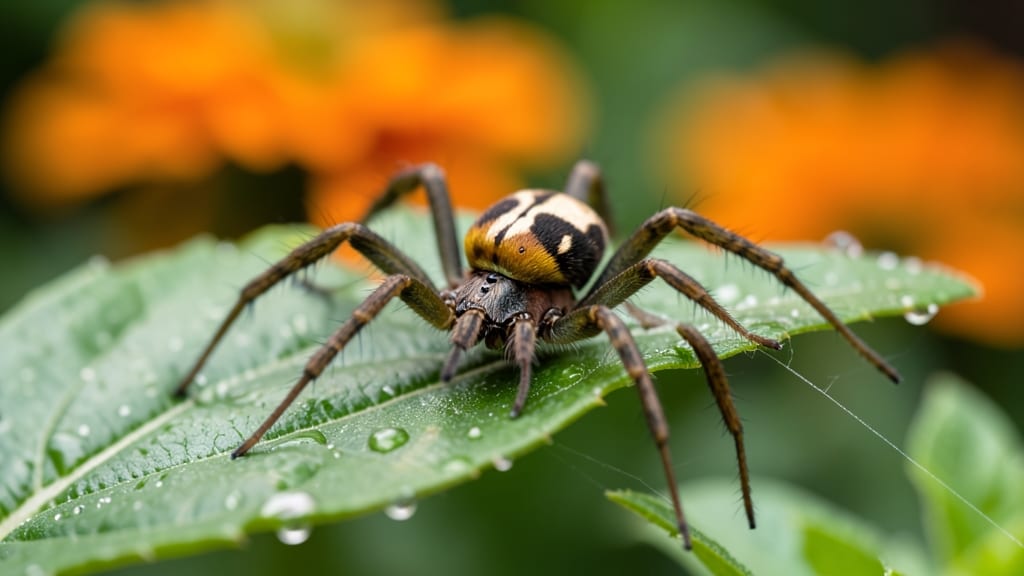
Spiders are beneficial in the garden as natural pest controllers, helping eliminate harmful insects like aphids, caterpillars, and mites that damage plants. Their presence cuts down on chemical pesticide use while supporting a balanced garden ecosystem.
These eight-legged helpers are far more effective than most gardeners realize. 🕷️ Spiders don’t just target pests—they regulate populations of flies, beetles, and even some caterpillars that chew through leaves. Unlike bees or butterflies, they’re active hunters, reducing the need for synthetic sprays that can harm other wildlife.
Their presence actually boosts biodiversity by keeping ecosystems in check, making gardens healthier without human intervention.
What’s fascinating is how different spider species contribute: web-spinners like orb-weavers catch flying insects, while ground-dwelling hunters like wolf spiders patrol soil surfaces. This diversity means they fill niches that other beneficial insects—like ladybugs or lacewings—can’t cover alone. The key is letting them thrive without disrupting their habitats.
💡 In This Article
- How Spiders Act as Natural Pest Predators in Gardens
- Encouraging Spider Populations in Your Garden
How spiders act as natural pest predators in gardens
Spiders are nature's silent pest control agents, with over 40,000 species worldwide that specialize in hunting insects.
Their diet includes 6-10% of their body weight daily, which translates to thousands of harmful garden pests like aphids, caterpillars, and mites—creatures that can devastate crops in just days. 🕸️ Unlike generalist predators, spiders focus on soft-bodied insects, making them perfect for controlling pests that chew leaves or suck plant sap.
Their hunting strategies vary dramatically between species. Web-spinners like orb-weavers create intricate silk traps that catch flying insects such as whiteflies and moths, while ambush predators like jumping spiders stalk their prey with 90-degree eye rotation to pinpoint movement.
Ground-dwelling wolf spiders patrol soil surfaces, preying on beetle larvae and cutworms that damage roots. This diversity means spiders fill ecological niches that even beneficial insects like ladybugs (which primarily eat aphids) or lacewings (which target soft-bodied pests) can't cover alone.
What makes spiders uniquely effective is their population density. A single garden can host hundreds of spiders per square meter during peak seasons, creating a natural "pest suppression network." Studies show gardens with active spider populations experience 30-50% fewer pest outbreaks compared to gardens treated with chemical pesticides.
Their presence also reduces the need for synthetic interventions, which often kill beneficial insects along with pests.
Spiders outperform many other garden helpers in efficiency. A single orb-weaver can catch 1,000 insects per year, while a ladybug might eat only 50-100 aphids in its lifetime.
The key difference lies in their hunting specialization—spiders target a broader range of pests, including those that ladybugs or lacewings avoid, like flies and beetles. This makes them indispensable for maintaining garden health without human intervention.
Interestingly, spiders also play a role in seed dispersal and nutrient cycling. When they consume pests, their waste returns nutrients to the soil, enriching plant growth. Their silk, used for webs and egg sacs, even decomposes into organic matter.
This multi-functional contribution sets them apart from other beneficial insects, which primarily focus on pest control without these additional ecological benefits.
One common misconception is that spiders compete with other beneficial insects. In reality, they often complement their work. For example, while ladybugs might handle an aphid outbreak, spiders will clean up the remaining pests and prevent future infestations.
Their presence creates a balanced ecosystem where no single species dominates, leading to healthier, more resilient gardens over time.