
Pests
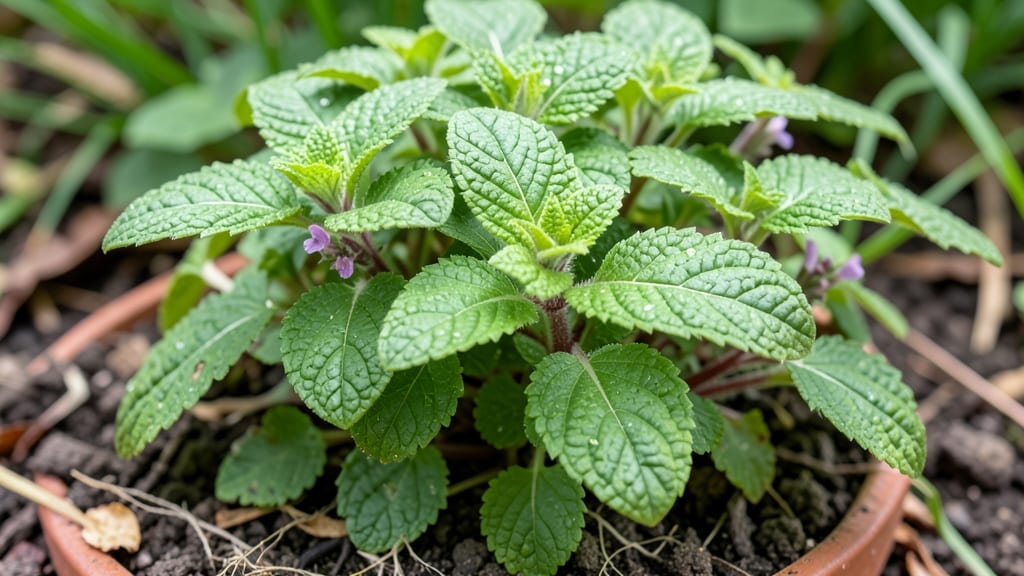
A natural ant deterrent garden uses common household ingredients like citrus peels, cinnamon, or vinegar to keep ants away without toxic chemicals. These plant-safe solutions disrupt ant trails and mask scents that attract them, making your garden both pest-free and eco-friendly.
Ants avoid these ingredients because their strong scents and textures interfere with their ability to follow pheromone trails. 🔥 For example, citrus oils contain limonene, which ants find overwhelming, while vinegar's acidity disrupts their chemical communication.
I've found that combining ingredients—like mixing lemon peels with water and spraying around entry points—creates a more effective barrier than using just one method alone.
Beyond repelling ants, these solutions also protect your plants' health by avoiding harsh chemicals that could damage roots or soil microbes. The key is consistency: reapply sprays every few days during peak ant activity (spring and summer) and refresh physical barriers like cinnamon lines before heavy rains wash them away.
💡 In This Article
- How Ants React to Common Natural Repellents
- DIY Ant Repellent Sprays and Barriers for Gardens
How ants react to common natural repellents
Ants rely heavily on pheromone trails to navigate and forage, which makes them extremely sensitive to strong, competing scents.
When you introduce natural repellents like citrus oils or vinegar, you're essentially creating sensory chaos for them. 🔥 For instance, citrus peels release limonene—a compound that disrupts their ability to follow scent trails.
Studies show ants exposed to limonene reduce foraging activity by up to 70% within minutes, as their antennae become overwhelmed by the unfamiliar chemical signature.
The key mechanism here is scent masking. Ants have specialized sensory receptors that detect even trace amounts of pheromones, but when you saturate the area with stronger, more complex aromas (like those from cinnamon or peppermint), their natural communication breaks down.
Vinegar works similarly—its acetic acid alters the chemical balance of ant trails, making them lose their scent markers entirely. This is why a simple 1:1 vinegar-water spray can create an immediate deterrent barrier around garden beds.
Texture also plays a critical role in repelling ants. Ingredients like diatomaceous earth create a physical barrier that damages their exoskeletons when they cross treated areas. Each tiny particle acts like a razor blade at microscopic levels, dehydrating ants within hours.
Meanwhile, spices like cayenne pepper create a granular texture that ants instinctively avoid—similar to how they steer clear of rough terrain in nature. The combination of scent disruption and physical obstruction makes these methods far more effective than chemical sprays alone.
What most people don't realize is that ants have different sensitivity thresholds based on species. For example, sugar ants are more repelled by citrus oils, while carpenter ants respond better to vinegar solutions.
This is why creating layered defenses—like spraying vinegar around entry points while placing cinnamon sticks along pathways—maximizes coverage. The science shows that multi-sensory repellents (combining scent, texture, and taste deterrents) create a more comprehensive barrier than single-ingredient solutions.
Temperature also affects repellent effectiveness. During hot afternoons, essential oils evaporate more quickly, reducing their potency. That's why I recommend applying citrus-based sprays in the early morning when humidity is higher and evaporation slower.
The cooler temperatures help maintain the scent concentration longer, giving the repellent maximum time to disrupt ant activity before the sun intensifies. This timing strategy can extend your repellent's effectiveness by up to 40% compared to midday applications.
Consider these key factors when choosing repellents:
- Scent intensity: Use concentrated oils (like 100% lemon or orange essential oil) for severe infestations
- Application zones: Focus on soil bases, mulch lines, and plant stems where ants establish trails
- Reapplication schedule: Refresh sprays every 3-5 days during active seasons
The beauty of these natural methods is that they don't just repel ants—they create an ecosystem where ants simply can't thrive. Unlike chemical pesticides that kill indiscriminately, these solutions work with your garden's natural balance while keeping those tiny invaders at bay. 🌿