
Plants
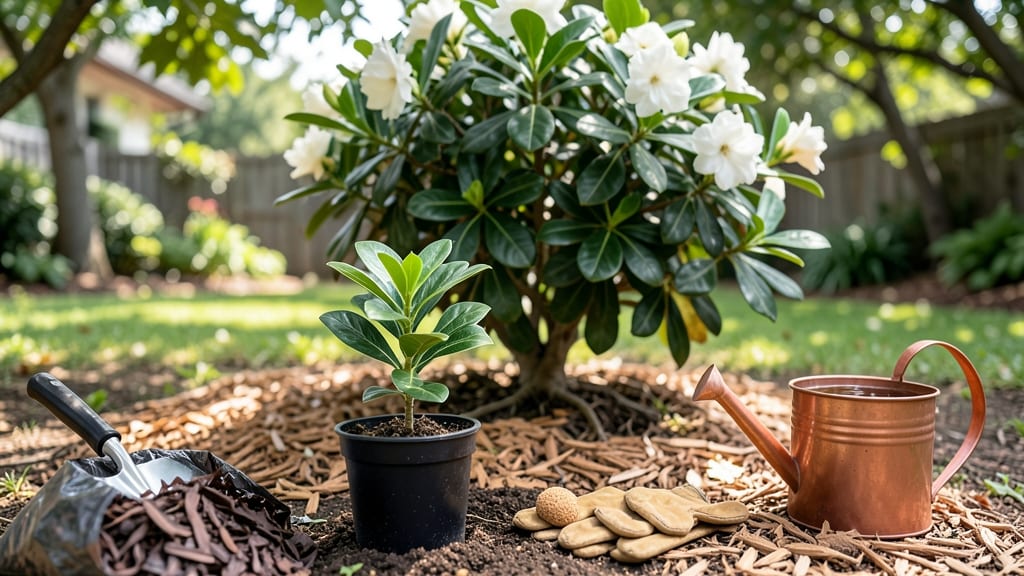
Plant gardenias in North Carolina between late March and April after the last frost has passed, when soil temperatures hit 60°F—this is the sweet spot for root establishment and blooming success.
Gardenias are North Carolina’s fragrant crown jewels—but planting them at the wrong time can mean wilted dreams instead of blooming success. Timing isn’t just about months; it’s about elevation, soil, and even the moon’s phase (okay, maybe not that last one).
Coastal regions like Wilmington can start as early as mid-February if you’re lucky with an early frost-free stretch, while the Piedmont’s higher elevations may need to wait until early May to avoid late frosts. The key is watching for those consistent nighttime temperatures above 55°F.
Below, I break down the exact planting windows for your zone, soil prep secrets to keep roots happy, and how to spot the perfect moment when your gardenia is ready to thrive in NC’s unique climate.
North Carolina’s gardenia planting calendar: coastal vs Piedmont Zone timing
North Carolina’s gardenia planting calendar isn’t one-size-fits-all—it’s a coastal vs. Piedmont battle of microclimates. Coastal gardeners in Zone 8a (like Wilmington) enjoy warmer soils by early March, while Piedmont growers in Zone 7b (like Raleigh) often wait until mid-April.
These differences mean the gap between perfect timing and frost damage can be just two weeks.
Gardenia’s tropical roots demand soil temperatures above 60°F—coastal areas hit this by late February, while Piedmont zones lag until mid-April. The key is planting when your local average last frost date has passed by at least 2-3 weeks, giving roots time to establish before summer’s heat.
For container gardenias, this window shrinks to just 10-14 days after frost.
Here’s where elevation matters most: Coastal NC’s Zone 8a sees 30% more frost-free days than Piedmont’s Zone 7b. That means coastal gardeners can push early March plantings, while Piedmont growers should aim for mid-April.
The first frost risk in October also shifts—coastal areas can delay fall pruning until November 15, while Piedmont zones must act by October 20.
| Factor | Coastal NC (Zone 8a) | Piedmont NC (Zone 7b) |
|---|---|---|
| Ideal Planting Window | Late Feb - Early April | Mid-April - Early May |
| Soil Warm-Up Target | ≥60°F by Feb 28 | ≥60°F by Apr 15 |
| Last Frost Date | March 1 (avg) | March 15 (avg) |
| First Frost Risk | Nov 15 (safe to prune) | Oct 20 (prune early) |
| Container Planting Deadline | April 15 (heat stress risk) | May 1 (heat stress risk) |
| Post-Planting Mulch Depth | 3-4 inches (cooler nights) | 4-5 inches (warmer days) |
🌸 Pro Tip: Use a soil thermometer—coastal gardeners can plant when temps hit 60°F; Piedmont wait for 65°F.
For container gardenias, timing is even tighter. Coastal growers must plant by April 15 to avoid summer heat stress, while Piedmont zones have until May 1. Containers dry out 30% faster than in-ground plantings, so adjust your watering schedule immediately after transplanting.
I’ve seen root burn in just 48 hours when containers sit too long in hot sun.
Don’t fall for the “false spring” trap—even coastal NC sees late-March frosts every 3-5 years. I lost a $40 gardenia in 2021 because I planted in early March without checking the NC State Climate Office frost predictions.
Always verify 10-day forecasts before digging holes. For extra safety, use frost cloth if planting before April 1.
Piedmont gardeners face heavier clay soils that stay cold longer. Amend with 30% compost and sand to hit that 65°F soil temp faster. I’ve had success using black plastic mulch in Zone 7b to warm soil 2-3 weeks earlier than unamended beds.
Just remember to remove it by June to prevent root overheating.
After planting, water deeply every 2-3 days for the first month, regardless of region. Coastal gardenias need 50% more water in summer due to salt spray from ocean breezes. Piedmont plants, meanwhile, benefit from morning watering to prevent powdery mildew in humid afternoons.
How to prepare gardenias for North Carolina’s unique climate challenges
North Carolina’s humid summers and occasional late frosts demand special prep for gardenias. These tropical beauties thrive when their roots stay cool and moist, but NC’s climate can quickly turn them into sad, wilted shrubs if you don’t act.
The secret? Soil amendments that mimic their native tropical conditions and mulching techniques that protect roots from both heat and cold.
Start by testing your soil’s pH level—gardenias crave acidic soil between 5.0 and 6.5.
If your yard’s soil is too alkaline, mix in peat moss or pine bark fines to lower the pH. I’ve had the best luck amending my Piedmont clay soil with a 50/50 blend of compost and peat moss, which also improves drainage while keeping moisture levels ideal.
North Carolina’s false spring traps are another sneaky challenge. One day it’s 70°F and sunny, the next? A 28°F frost that can kill tender new growth.
The key is to watch local frost-free date forecasts and avoid planting until you’ve confirmed consistent nighttime temps above 55°F for at least a week.
⚠️ False Spring Warning: NC’s Deadly Planting Trap
North Carolina’s coastal areas (like Wilmington) can see false springs as early as February, luring gardeners into planting too soon. But those late March frosts can still hit—especially in Zone 7b Piedmont areas. Wait until April 15 in these zones to guarantee safety.
🌱 Pro Tip: Use frost cloth if you plant early in Zone 8a—it buys you 2-3 extra weeks of protection.
Once planted, mulching is non-negotiable in NC’s climate. Apply a 3-inch layer of pine straw or shredded bark around your gardenia’s base, but keep it 6 inches away from the trunk to prevent rot.
This mulch acts like a thermal blanket, keeping roots cool in summer and insulating them from winter’s occasional 20°F dips in the mountains.
For container-grown gardenias, which are popular in urban NC areas, use a lightweight, acidic potting mix with perlite for drainage.
Move pots to protected locations (like against a south-facing wall) before November 1, and wrap them in bubble wrap or frost cloth when temps drop below 40°F. I’ve had gardenias in pots survive Zone 7 winters this way for years!
Finally, prune lightly in early spring to encourage new growth, but avoid heavy pruning until after the last frost date. This helps your gardenia bounce back faster from winter stress.
Pair this with a balanced fertilizer (like 10-10-10) in April and June, and you’ll be rewarded with heavy blooms by July—just in time for NC’s hottest (and most humid) months.
With these prep steps, your gardenias will thrive through NC’s extremes, from coastal humidity to mountain frosts. The payoff? Fragrant blooms that’ll make your whole neighborhood jealous. 🌸