
Flowers
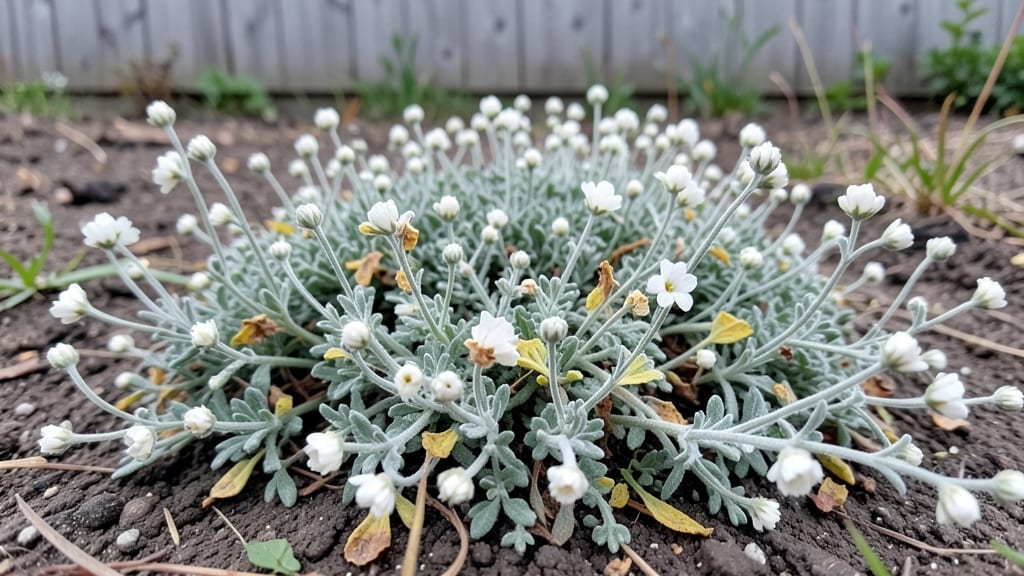
Growing alyssum in garden is the easiest way to add year-round color with almost no fuss—this tiny, fragrant flower thrives in containers, borders, and even between pavers.
Picture this: a cascade of white, pink, or purple blooms 🌸 spilling over edges, hummingbirds hovering just inches away, and zero deadheading required. That’s the magic of Sweet Alyssum, a plant so low-maintenance it practically grows itself once you get the basics right.
Whether you’re a seasoned gardener or just starting, Sweet Alyssum fits seamlessly into USDA Zone 6a gardens with its spring planting window (March–April) and ability to bloom from May through September.
The best part? It’s drought-tolerant once established, so you’ll spend less time watering and more time admiring its cheerful display.
Below, I’ll walk you through everything from planting tips to care secrets—so you can enjoy this effortless beauty without the guesswork.
How to plant alyssum for maximum blooms and year-round beauty
Transforming your garden into a pollinator paradise starts with planting alyssum—this fragrant, low-growing flower thrives in containers, borders, and rock gardens while attracting bees and butterflies. The key to continuous blooms lies in proper planting techniques, seasonal timing, and ideal growing conditions.
Whether you're a beginner or seasoned gardener, these steps will help you cultivate lush, vibrant alyssum that flowers from spring to frost.
Before you begin, choose the right variety for your climate. Sweet Alyssum (Lobularia maritima) is the most popular, offering clusters of tiny blooms in white, pink, or purple. Tumbling Alyssum creates stunning cascades in hanging baskets, while Rock Alyssum (Aurinia saxatilis) thrives in dry, rocky soils.
Each type has unique needs, but they all share a love for well-draining soil and full sun exposure—critical factors for maximizing blooms.
Plant alyssum in early spring (after the last frost) or late summer (6-8 weeks before the first frost) for year-round color. Spring planting ensures longer blooming seasons, while fall planting gives early spring flowers.
In mild climates (Zones 7-10), treat it as a perennial—it may self-seed and return annually.
Alyssum thrives in well-draining, slightly alkaline soil (pH 6.0-7.5). Amend heavy clay soil with compost or sand to prevent root rot. For containers, use a light potting mix with perlite. Avoid waterlogged areas—drainage is critical for preventing fungal diseases like powdery mildew.
Place your alyssum in a location with 6+ hours of sunlight daily. While it tolerates partial shade, full sun produces the most vibrant blooms. For rock gardens, choose Rock Alyssum—it handles dry, rocky soils better than Sweet Alyssum.
In containers, ensure pots have drainage holes and place them where they’ll receive morning sun.
For fastest results, buy transplants from nurseries. If starting from seeds, sow them 1/8 inch deep in well-prepared soil. Space seeds 12-18 inches apart for upright varieties or 6-8 inches apart for trailing types.
Thin seedlings to avoid crowding, which can lead to leggy growth and fewer blooms.
Keep the soil consistently moist (but not soggy) for the first 2-3 weeks after planting. Water early in the morning to reduce fungal risks. Once established, alyssum is drought-tolerant—water every 3-5 days in summer and reduce in fall/winter.
Overwatering is a common mistake that leads to root rot and stunted growth.
Apply a 1-2 inch layer of mulch (like straw or shredded bark) around plants to retain moisture and suppress weeds. Avoid piling mulch against stems—keep it 2 inches away to prevent rot.
Mulching also regulates soil temperature, which is especially helpful in hot climates where soil can dry out quickly.
Use a balanced, water-soluble fertilizer (like 5-10-5) every 4-6 weeks during the growing season. Over-fertilizing leads to leafy growth at the expense of flowers. In containers, fertilize every 3-4 weeks with half-strength solution. Stop fertilizing in late summer to encourage fall blooms and prepare for dormancy.
Pinch off spent flowers regularly to encourage new blooms. This simple task extends the flowering season by 4-6 weeks. For trailing varieties, trim back leggy stems to promote bushier growth. Deadheading also prevents self-seeding (unless you want it to naturalize in your garden).
Plant alyssum near basil, marigolds, or lavender to attract bees, butterflies, and hoverflies—these pollinators also repel pests like aphids. Avoid planting near cabbage family plants (e.g., broccoli), as they can attract cabbage moths that may damage alyssum.
For pest control, interplant with nasturtiums or dill—their strong scents deter harmful insects.
One of the biggest mistakes gardeners make is planting alyssum too late in the season. If you miss the spring planting window, opt for fall planting (late summer) to ensure early spring blooms.
In warmer climates, you can even plant alyssum in winter for spring color. The key is to give the roots 4-6 weeks to establish before hot or cold temperatures stress the plant.
For container gardening, choose trailing varieties like Sweet Alyssum ‘White Cascade’ or ‘Pink Fanfare’. These create stunning cascades in hanging baskets and brighten up patios. If you’re using alyssum as a ground cover, plant it in mass plantings along walkways or in rock gardens.
The fragrance alone will draw you outside—its sweet, honey-like scent is irresistible to pollinators and humans alike.
With these step-by-step techniques, your alyssum will reward you with non-stop blooms from spring to frost. The best part? It’s low-maintenance—once established, it requires minimal watering and no heavy pruning.
Just deadhead regularly, enjoy the pollinators, and watch your garden transform into a colorful, fragrant oasis that keeps giving all season long.
Alyssum care tips: watering, fertilizing, and pest control for healthy growth
Alyssum thrives on neglect, making it perfect for busy gardeners. Its drought-tolerant nature means you won’t need to water it daily, but proper care ensures those fragrant blooms keep coming. Let’s dive into the essentials for keeping your alyssum lush and pest-free all season.
One of the biggest misconceptions about alyssum is that it requires constant attention. In reality, its low-maintenance nature makes it a dream for gardeners.
However, a few key practices—like watering at the right times and using the right organic fertilizers—will make a world of difference in its growth and longevity.
Alyssum in Garden: Pros and Cons
Pros
- ✅ Drought-tolerant once established
- ✅ Attracts pollinators like bees and butterflies
- ✅ Natural pest repellent (aphids avoid it)
- ✅ Long bloom season (spring to fall)
- ✅ Low-maintenance and hardy
Cons
- ⚠️ Susceptible to powdery mildew in humid climates
- ⚠️ Requires well-draining soil to prevent rot
- ⚠️ May self-seed aggressively in some areas
- ⚠️ Needs morning watering to avoid fungal issues
- ⚠️ Short-lived as a perennial in cold climates
When it comes to watering alyssum, consistency is key. Water deeply every 3-5 days during the growing season, but avoid letting the soil stay soggy. Morning watering is ideal—it gives excess moisture time to evaporate, reducing the risk of powdery mildew, a common issue in humid climates.
For fertilizing alyssum, a light hand works best. Use a balanced organic fertilizer (like 5-10-5) every 4-6 weeks during the growing season. Over-fertilizing can lead to lush foliage but fewer blooms. I recommend a slow-release granular fertilizer in early spring to kickstart growth.
Pests are rarely a problem for alyssum, thanks to its natural pest-repelling properties. However, keep an eye out for aphids or whiteflies, which can still appear.
Encourage ladybugs and lacewings by planting nearby herbs like dill or fennel, as these beneficial insects will devour any pests that show up.
If you notice yellowing leaves or a white powdery coating, act fast. Prune affected areas immediately and improve airflow by spacing plants 6-8 inches apart. A neem oil spray can also help treat mild cases of powdery mildew without harming your alyssum or pollinators.
With these simple care tips, your alyssum will reward you with months of vibrant blooms and a garden that hums with life from pollinators. Happy gardening! 🌸