
Picking
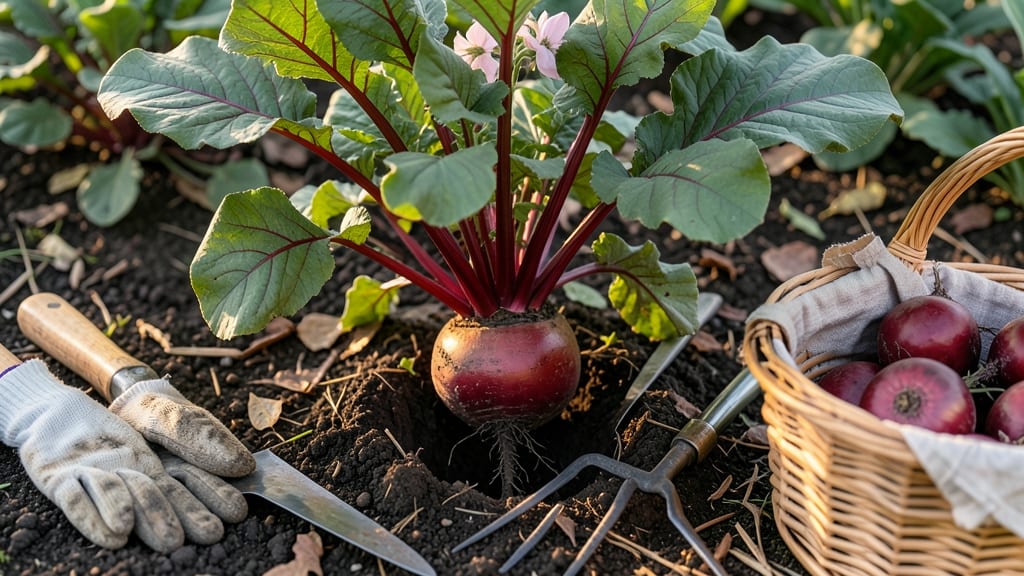
To pick beets from your garden at the perfect moment means harvesting tender, sweet roots—before they turn woody or bitter. 🍠
Harvesting beets at the wrong time can mean the difference between a crisp, flavorful bite and a tough, disappointing mess. Too early, and you’ll miss their full sweetness; too late, and they’ll develop a fibrous texture that even boiling can’t fix.
The key is watching for two simple but critical signs: leaf size and color. Whether you’re growing Detroit Dark Red or Chioggia varieties, these visual cues will tell you exactly when to pull them for the best results.
Most gardeners wait too long, assuming bigger beets are always better—but that’s not the case. Baby beets, harvested when they’re just 1–2 inches in diameter, are often sweeter and more delicate. Meanwhile, mature roots (up to 3 inches) develop deeper flavors but require precise timing to avoid bitterness.
Below, I’ll show you how to check for doneness without digging, plus how to extend your harvest season for a continuous supply of fresh, homegrown beets.
You’ll learn the exact leaf and root signals to watch for, how to test for readiness without damaging your plants, and even how to store your harvest for months. By the end, you’ll never second-guess when to pull another perfect beet from your garden.

How to tell when beets are ready: leaf size & color guide
Beets reveal their readiness through subtle but unmistakable signals in their leaves and roots. Unlike many vegetables, beets don't have a single "perfect" size—some varieties shine as baby beets while others develop full flavor at maturity.
The key is watching for leaf size growth and color changes that indicate the root below has reached ideal eating quality.
For example, Detroit Dark Red beets often develop deep purple-red leaves when their roots are perfect for harvest, while Golden Beets may show a slight yellowing at the leaf edges.
Most gardeners focus only on root size, but leaf health is equally important. A beet plant's leaves act like a progress bar—when they reach 4-6 inches tall with broad, deep-green foliage, the root below is typically 1-3 inches in diameter.
However, if the leaves start yellowing or wilting, you've waited too long, and the beet may become woody or bitter. This is especially true for Chioggia beets, whose beautiful striped patterns develop best when harvested smaller.
Here's the critical visual guide you need to master beet harvesting:
| Variety | Leaf Size (Early vs. Mature) | Leaf Color Indicators | Root Size | Soil Check Method | Flavor Impact |
|---|---|---|---|---|---|
| Detroit Dark Red | 2-4" (early), 6-8" (mature) | Deep purple-green (ready); yellow edges (overripe) | 1.5-3" diameter | Firm when pressed near stem | Sweet, earthy, rich |
| Chioggia (Striped) | 3-5" (early), 5-7" (mature) | Bright green (ready); dull yellow (overripe) | 1-2" diameter (best for rings) | Gentle resistance when twisted | Sweet, mild, delicate texture |
| Golden Beet | 2-3" (early), 5-6" (mature) | Yellow-green (ready); brown spots (overripe) | 1-2.5" diameter | Firm with slight give | Sweet, nutty, tender |
| Baby Beets (All Types) | 1-3" tall leaves | Vibrant green (ready) | 0.5-1.5" diameter | Soft but firm when pinched | Extremely sweet, delicate |
A common mistake is assuming all beets must reach the same size before harvest. Chioggia beets, for example, develop their signature pink-and-white rings when harvested at 1-2 inches—waiting longer makes them lose their visual appeal and can make the texture mealy.
Meanwhile, Detroit Dark Red beets actually improve in flavor when left slightly longer, developing deeper color and richer taste. Always check the leaf color alongside size: healthy, deep green leaves mean the root is ready, while yellowing or wilted leaves signal it's past its prime.
For baby beets, focus on the leaf size rather than days after planting. When leaves reach about 2-3 inches tall, the roots below are typically half to one inch in diameter—perfect for quick pickling or salads.
These tiny beets have an intense sweetness that larger varieties lack, making them ideal for early spring harvests or succession planting. I like to harvest baby beets every 2-3 weeks once the plants establish, ensuring a steady supply without waiting for full maturity.
The soil check method is my favorite non-destructive way to test beet readiness. Simply gently press your finger about an inch from the stem into the soil.
If you feel firm resistance (like pressing a ripe avocado), the beet is likely ready. For a more precise test, use a small garden fork
Best practices for testing beet doneness without digging
Testing beet doneness without digging is a game-changer for gardeners who want to avoid damaging plants while ensuring perfect harvests. The key lies in non-invasive techniques that reveal root maturity through subtle visual and tactile cues.
By mastering these methods, you can enjoy sweet, tender beets without the guesswork of uprooting too soon or too late. Let’s explore three foolproof techniques that preserve your plants while delivering flavorful results.
First, focus on the leaf twist test, a simple yet effective way to gauge root firmness. Gently grasp a beet leaf near its base and give it a slight twist. If the leaf resists and doesn’t snap easily, the root below is likely firm and ready for harvest.
This method works because beet roots develop strength in tandem with their foliage, making leaf resistance a reliable indicator. For baby beets, the leaves will be smaller and less resistant, signaling they’re not yet at peak sweetness.
Next, try soil probing to estimate root size without disturbing the plant. Use your finger or a small trowel to gently probe the soil around the beet stem. If you feel resistance at a depth of 1–3 inches, the root has likely reached maturity.
For deeper roots like Detroit Dark Red, probe further—up to 3–4 inches—to confirm doneness. This technique is especially useful for container-grown beets, where soil depth is limited.
⚠️ WARNING: Common Mistakes to Avoid When Testing Beet Doneness
The fork test is another non-destructive way to assess beet size and firmness. Insert a fork 1–2 inches away from the beet stem and gently wiggle it.
If the fork meets resistance at a depth matching your target root size (e.g., 1–2 inches for baby beets), the beet is ready. This method also helps avoid disturbing neighboring plants, making it ideal for dense beet patches.
For Chioggia beets, use the fork test to confirm the ringed pattern is fully developed before harvesting.
Combine these techniques for the most accurate results. Start with the leaf twist test for an initial assessment, then use soil probing or the fork test to confirm.
Remember, smaller beets are sweeter, so don’t wait until the roots are giant—harvest when they’re 1–3 inches in diameter for the best flavor. By testing doneness without digging, you’ll preserve your plants and enjoy a continuous harvest of garden-fresh beets all season long.
For extra precision, check beets every 2–3 days during their peak growing window (typically 50–70 days after planting). This frequent monitoring ensures you never miss the perfect moment to harvest. Happy digging—or should I say, happy testing! 🍠