
Flowers
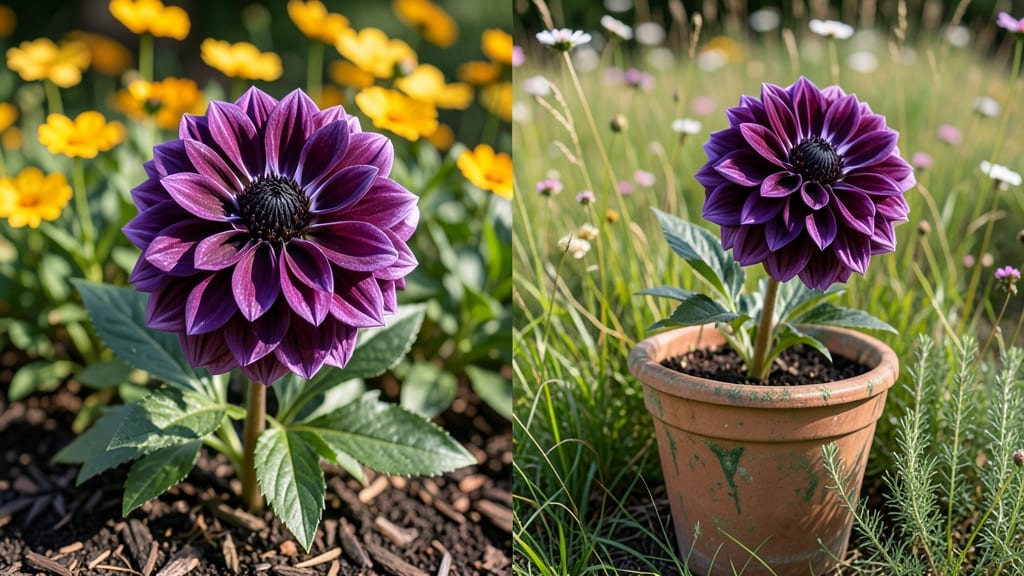
The phrase sisters are the same flowers from a different garden captures how sibling bonds blend shared heritage with individual journeys—like plants grown from identical seeds but nurtured in distinct soils, yielding unique blooms. This metaphor highlights the paradox of family ties: rooted in common DNA yet shaped by life's varied experiences.
This poetic imagery taps into nature's duality: while flowers from the same seed share genetic potential, their growth depends entirely on environment—sun exposure, water, and soil composition. 🌸 Just as sisters inherit similar traits but develop differently through life's circumstances, these flowers become living symbols of familial connection.
The phrase resonates particularly in poetry and art where nature serves as a mirror for human relationships, emphasizing both unity and individuality.
What makes this metaphor powerful is its visual nature—you can literally see the concept in bloom. Gardeners often use this idea when planting genetically identical varieties in different conditions, creating striking visual contrasts that mirror sibling dynamics.
For example, planting two rose bushes from the same cutting in sun versus shade produces dramatically different blooms, yet both remain unmistakably roses.
This botanical perspective offers practical wisdom too: just as gardeners must adapt care to each plant's environment, families learn to nurture each sister's unique path while celebrating their shared roots. The metaphor becomes a framework for understanding how to balance support with individuality in sibling relationships.
💡 In This Article
- Nature’s Symbolism: How Flowers Represent Sibling Bonds
- Cultivating Sisterhood: Gardening Metaphors for Family Dynamics
Nature’s symbolism: how flowers represent sibling bonds
Flowers from the same seed share identical genetic blueprints, yet their growth patterns reveal how environment shapes identity.
Take twin blooms like peony varieties—when you plant two cuttings from the same mother plant in different soil types, one might develop larger, paler petals in nutrient-rich loam while its sibling in sandy soil produces darker, more compact blooms.
This mirrors how sisters inherit similar temperaments but develop distinct personalities based on life experiences. 🌸 The botanical term for this is "phenotypic plasticity"—a plant's ability to alter its physical traits in response to external conditions, just as siblings adapt to different family dynamics or cultural influences.
Scientifically, this adaptation occurs at the cellular level. Flowers grown in lower light conditions (like shade) develop larger leaves and paler petals to maximize light absorption, while those in full sun produce thicker stems and darker pigments for UV protection.
This parallels how sisters raised in different households might exhibit opposite social behaviors—one outgoing in a bustling city environment, another reserved in a quieter rural setting—yet both remain connected through shared heritage. The phrase captures this duality beautifully, using nature's visible transformations to explain invisible familial bonds.
Historically, poets and artists have drawn these parallels for centuries. In 17th-century Japanese haiku, nature metaphors frequently explored sibling relationships, using cherry blossoms (which grow from identical seeds) to symbolize both unity and divergence.
The 19th-century American poet Emily Dickinson wrote extensively about flowers as mirrors for human connections, often comparing sisters to identical blooms in separate vases—each reflecting light differently yet originating from the same garden.
This literary tradition shows how the metaphor transcends simple observation to become a framework for understanding complex relationships.
What makes this symbolism particularly powerful is its visual immediacy. When you see two genetically identical roses growing side by side—one vibrant and fragrant in full sun, the other struggling in shade—you're witnessing a living metaphor for sibling dynamics.
This visual representation makes abstract concepts about family tangible, allowing observers to "see" the balance between shared roots and individual growth paths.
The metaphor becomes especially meaningful during family gatherings when sisters might appear different on the surface but share unmistakable familial traits in their laughter, gestures, or even the way they hold their children.
Botanists confirm this duality through grafting experiments. When you graft two genetically identical branches from the same plant onto different rootstocks, the resulting flowers may look nearly identical but develop distinct growth rates and fragrances based on the root system's environment.
This scientific validation reinforces the poetic metaphor: sisters may share DNA but their life experiences—like different root systems—shape their unique expressions of that shared heritage. The phrase becomes a bridge between scientific observation and emotional truth.
Consider the lavender plant—a favorite in sibling symbolism due to its clumping growth habit. When you plant multiple cuttings from the same mother plant, each forms its own distinct bush with identical fragrance but different shapes and sizes.
This creates a visual representation of how sisters might share similar values or talents but develop distinct personalities based on their individual journeys. The shared scent represents the unbreakable bond, while the varying bush shapes symbolize their individual paths. 🌿