
Fertilization
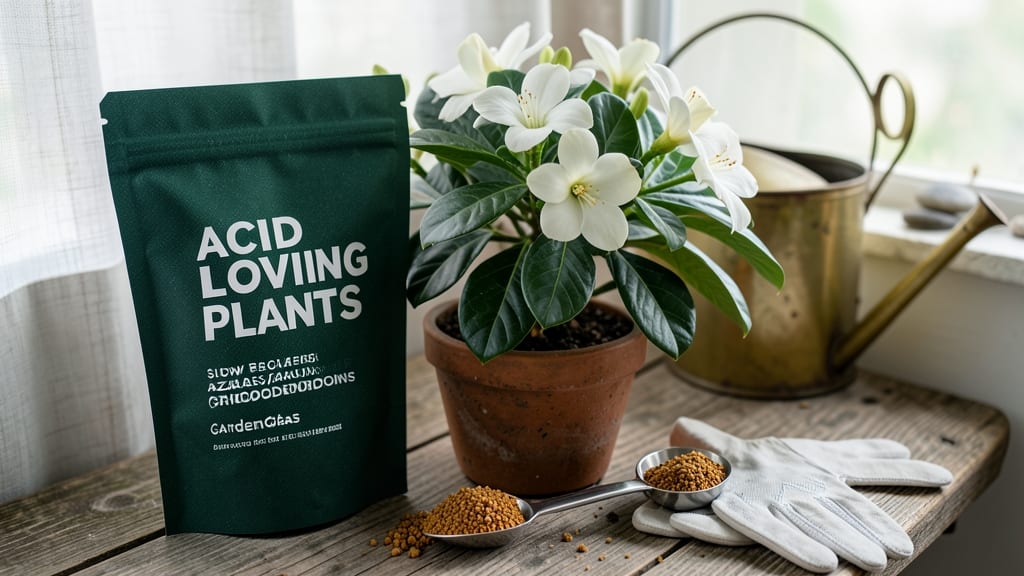
The fertilizer for gardenias in pots requires a precise blend of acid-loving nutrients to keep those fragrant blooms coming.
Struggling to keep your potted gardenias blooming? The secret lies in feeding them the right fertilizer at the right time—because these acid-loving beauties demand precision to thrive in containers.
Most gardeners overlook the pH balance and nutrient ratios, which can lead to yellow leaves or stunted growth. The key is using a fertilizer formulated for acid-loving plants, applied in the right amounts during their active growing season.
In this guide, I’ll break down the best organic and synthetic options, when to feed them for maximum blooms, and how to spot signs of over- or under-fertilizing so your gardenias stay lush and fragrant all season.

Best fertilizers for potted gardenias: organic vs synthetic options for acid-loving plants
If your potted gardenias 🌸 are struggling to produce those fragrant, creamy-white blooms, the issue likely starts with their fertilizer. These acid-loving shrubs thrive when fed with the right nutrients in the right form.
The challenge? Choosing between organic and synthetic options—and understanding how each affects your plant's pH needs and bloom production. Let's break down the best choices for your container-grown gardenias.
Gardenias demand a soil pH between 5.0 and 6.5—slightly acidic to mimic their natural tropical habitat. Most commercial fertilizers won't cut it alone; you'll need specialized blends designed for acid-loving plants or citrus-specific formulas.
The wrong fertilizer can stunt growth, cause leaf yellowing, or even kill your plant by disrupting its delicate nutrient balance.
| Fertilizer Type | Key Features | Best For | Application Rate | pH Impact |
|---|---|---|---|---|
| Citrus-Specific Synthetic | High phosphorus (P), micronutrients, fast-acting | Bloom production, quick results | 1 tbsp per 1 gallon of water, monthly | Neutral (use with acidifier) |
| Slow-Release Granules (Osmocote) | Balanced N-P-K, 3-4 month release, organic options | Steady growth, low maintenance | 1 cup per 12" pot, spring/fall | Neutral (mix with sulfur) |
| Fish Emulsion (Organic) | High nitrogen, rich in micronutrients, pH 6.5-7.0 | Foliage growth, organic gardens | 1 tbsp per gallon, every 2 weeks | Slightly acidic when diluted |
| Blood Meal (Organic) | High nitrogen (12-15%), fast release | New growth, leafy foliage | 1 tsp per pot, monthly | Neutral (use with peat moss) |
| Azomite (Mineral) | Trace minerals, slow release, pH 7.0 | Micronutrient deficiencies, overall health | 1 tbsp per 5 gallons of soil, yearly | Neutral (acidify separately) |
| Peat Moss + Compost | Organic matter, improves drainage, pH 4.0-4.5 | Soil structure, long-term acidity | Mix 20% into potting soil annually | Strongly acidic |
For peak blooms, I recommend starting with a citrus-specific synthetic fertilizer like Miracle-Gro Azalea, Camellia, and Rhododendron fertilizer. These formulas are designed to provide the high phosphorus gardenias crave during their blooming season (typically spring through summer).
The key is the 10-10-10 or 8-3-9 NPK ratio, which balances growth with flowering.
If you prefer organic options, a combination of fish emulsion (for nitrogen) and bone meal (for phosphorus) works wonders.
I've had success with a homemade blend of 1 part fish emulsion, 1 part bone meal, and 2 parts compost, applied every 4-6 weeks during the growing season. The organic route takes longer to show results but builds healthier soil over time.
One mistake many gardeners make is assuming all-purpose fertilizers will work. A 10-10-10 generic fertilizer lacks the micronutrients gardenias need, like magnesium and iron. Look for products with chelated iron and manganese to prevent common deficiencies that cause yellowing between leaf veins (chlorosis).
Testing your soil's pH is non-negotiable. Use a digital pH meter or test kit (like the Luster Leaf Rapitest) to check before fertilizing. If your pH is above 6.5, amend your soil with sulfur or peat moss to lower it.
For pH below 5.0, add lime sparingly—though gardenias rarely need this in containers.
Pro tip: Flush your gardenia's soil every 3-4 months with water to prevent salt buildup from synthetic fertilizers. I use a hose attachment to gently water until it runs clear from the drainage holes. This also helps maintain that acidic environment your gardenia loves so much.
Remember, the best fertilizer for your potted gardenia depends on your bloom goals, maintenance preferences, and soil conditions. Start with a citrus-specific blend, monitor your plant's response, and adjust based on leaf color and bloom frequency.
With the right feeding schedule, your gardenia will reward you with glossy leaves
Monthly feeding schedule for potted gardenias: when and how to apply fertilizer for maximum blooms
Gardenias reward you with fragrant blooms when you feed them consistently and correctly. Since they thrive in acidic soil and containers drain faster, timing and fertilizer type matter more than most plants.
I’ve perfected my schedule over years of growing these divas in pots—spring is for growth, summer fuels blooms, and fall/winter mean rest.
Your gardenia’s N-P-K ratio should be balanced (like 10-10-10 or 8-3-9 for bloomers) but acid-based. Synthetic options like Miracle-Gro Azalea/Camellia work, but I prefer organic choices like fish emulsion or cottonseed meal for slow-release nutrients. Always water before fertilizing to prevent root burn.
📅 Seasonal Feeding Timeline
- March-April (Pre-Bloom): Start with a light feed (½ dose) of balanced acid fertilizer to wake roots after dormancy. Use 1 tbsp/plant mixed into top 2 inches of soil.
- May-July (Bloom Season): Feed every 4-6 weeks with full-strength fertilizer (2 tbsp/plant). Switch to a low-nitrogen, high-phosphorus blend (e.g., 5-10-10) to boost flowers.
- August-September (Post-Bloom): Reduce to light feeds (½ dose) to prepare for dormancy. Avoid high-nitrogen fertilizers—they encourage late growth vulnerable to frost.
- October-February (Dormancy): Skip fertilizing entirely. Focus on watering lightly and protecting from cold. Resume feeding only when new growth appears in spring.
Pro Tip: Flush soil with water every 3 months to prevent salt buildup from fertilizers.
For container gardenias, I swear by slow-release pellets like Osmocote (14-14-14) mixed into the soil at planting. These feed roots gradually for 3-4 months, reducing my monthly work.
Pair them with monthly liquid feeds during bloom season for best results. Always apply fertilizer to moist (not soggy) soil—this prevents nutrient burn.
Watch your gardenia’s leaves and buds for clues: Dark green, glossy foliage means you’re nailing it, while yellow leaves signal over-fertilizing or brown tips mean underwatering. If buds form but drop before opening, your plant needs more phosphorus—switch to a bloom-boosting formula like 10-30-20 for 2 months.
In my USDA Zone 6a garden, I’ve seen potted gardenias double their blooms by sticking to this schedule. The key? Consistency and seasonal adjustments. Start light in spring, go heavy in summer, then taper off—your gardenia will thank you with fragrant blooms from June through August. 🌸
Need a quick reference? Bookmark this: Feed March-July, light August-Sept, zero Oct-Feb. And always water deeply after fertilizing to help nutrients reach roots. Your potted gardenia will thrive—and smell amazing—if you follow this rhythm. ✂️