
Container Gardens
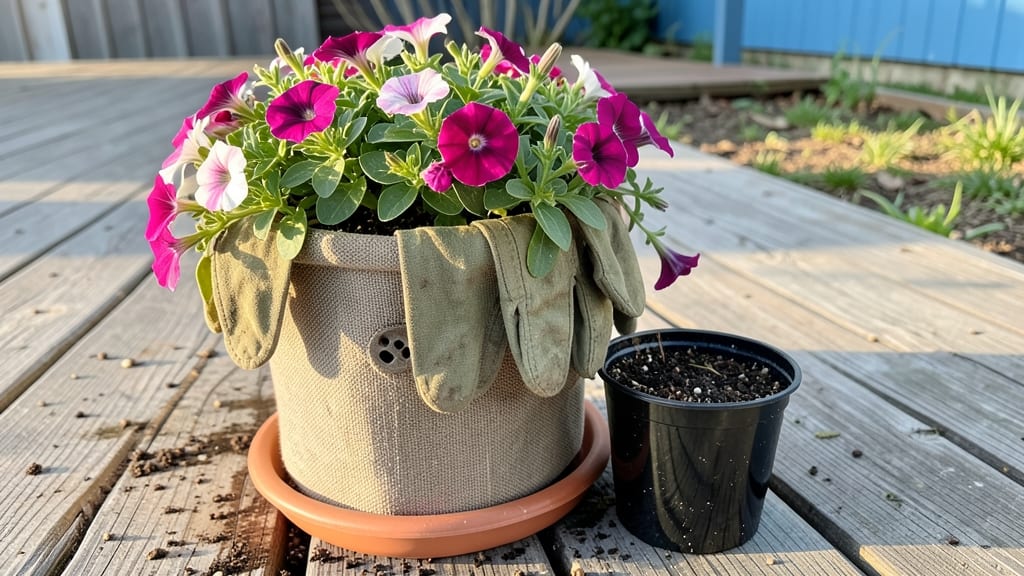
15-gallon garden pots are ideal for growing medium-sized plants like tomatoes, peppers, or small shrubs because they provide ample root space while allowing you to control soil quality and moisture levels. The right material—whether plastic, ceramic, or terracotta—and proper drainage prevent root rot and encourage vigorous growth.
These containers strike the perfect balance between space and portability, making them great for urban gardeners or anyone with limited yard space. 🌱 The key to success lies in material selection—plastic pots retain moisture longer, while terracotta breathes better but requires more frequent watering.
I always recommend adding a layer of gravel at the bottom before filling with soil to create a natural drainage barrier, especially for thirsty plants like basil or peppers.
For those working with existing pots, you can easily upgrade drainage by drilling additional holes or adding a self-watering liner. This simple hack prevents waterlogging while keeping roots consistently hydrated—perfect for busy gardeners who want low-maintenance results.
💡 In This Article
- Choosing the Right Material for 15-Gallon Plant Pots
- DIY Drainage Solutions for 15-Gallon Containers
Choosing the right material for 15-Gallon plant pots
When selecting a material for your 15-gallon garden pots, consider how each option impacts root development and moisture control. Plastic pots excel at moisture retention due to their non-porous surfaces, making them ideal for plants like tomatoes that need consistent hydration.
Their lightweight nature also makes them easier to move around, though they may overheat in direct sunlight without shade cloth. Ceramic containers, on the other hand, offer better insulation—keeping roots cooler in summer and warmer in winter—while their breathable walls allow excess moisture to evaporate naturally.
The porous nature of terracotta pots actually benefits plants that prefer drier conditions, like rosemary or lavender, by wicking away excess water through the walls. However, this same property means terracotta dries out faster, requiring more frequent watering (often daily in hot climates).
Fabric grow bags, another popular option, mimic natural soil conditions by allowing roots to breathe while preventing compaction. They're particularly effective for root vegetables like carrots, where unrestricted root growth is crucial.
For heavy plants like small shrubs, ceramic or thick plastic pots provide the structural support needed to prevent tipping.
Material choice directly affects root health through temperature regulation and oxygen availability.
Plastic pots, for instance, can trap heat, potentially stressing roots if not shaded, while terracotta's breathability promotes better oxygen circulation to the roots. 🌱 The weight of the pot also matters—heavier ceramic pots stay stable in windy conditions, while lighter plastic pots are easier to rotate for even sun exposure.
For container gardens in urban settings, where space is limited, fabric grow bags offer a flexible alternative that can be hung or stacked, maximizing vertical growing potential.
Consider your specific plants' needs when deciding. Leafy greens like basil thrive in plastic pots where moisture stays consistent, while drought-tolerant succulents prefer the porous terracotta that mimics their natural arid environments.
The material you choose will determine how often you need to water, how much sunlight protection is required, and even how portable your garden setup can be. For example, a 15-gallon ceramic pot might weigh 20-30 pounds when filled with soil, while a plastic equivalent would be half that weight.
Don't overlook the long-term durability of each material. While plastic pots are virtually indestructible and cost-effective, they can degrade under prolonged UV exposure unless they're UV-stabilized. Ceramic pots, though beautiful and durable, may crack if subjected to freeze-thaw cycles. Terracotta, while natural and breathable, can become brittle over time.
For maximum longevity, consider adding a protective layer of paint to ceramic pots or choosing thick-walled plastic options that resist cracking. The right material choice ensures your 15-gallon containers will serve you for multiple growing seasons.
Pro tip: If you're growing heat-sensitive plants like lettuce, opt for lighter-colored pots that reflect sunlight rather than absorb it. Dark-colored plastic or terracotta pots can reach temperatures 20-30°F hotter than the surrounding air on sunny days, potentially cooking the roots.
This simple color choice can make a significant difference in plant health and yield. ✨