
Tools
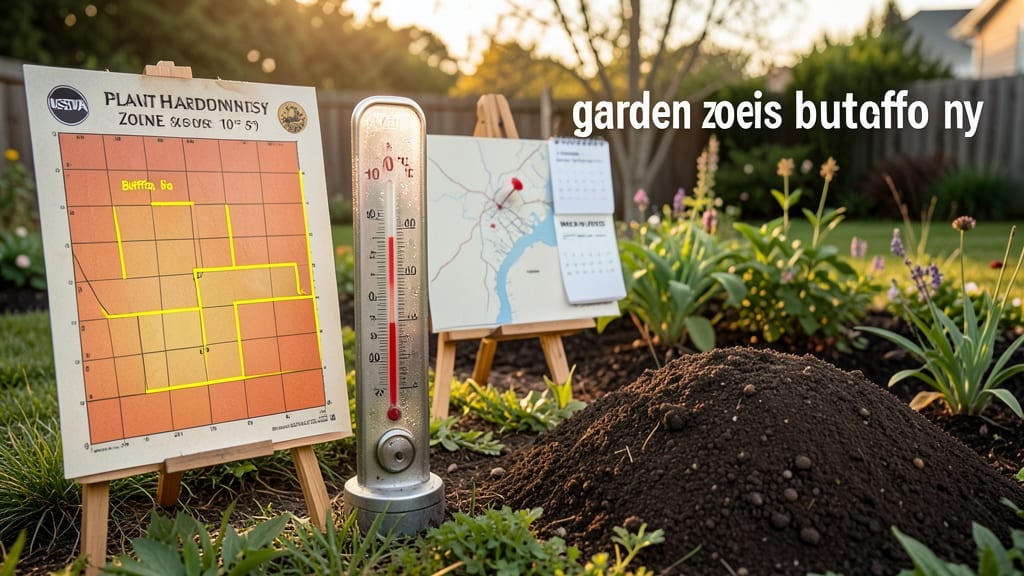
What garden zone is Buffalo, NY located in? The city falls within USDA Hardiness Zones 6a and 6b, where winter lows typically range between -10°F and 0°F (-23°C to -18°C). This classification determines which plants thrive year-round in the region's climate.
Buffalo's zone classification is influenced by its unique lake-effect climate, where cold air from Lake Erie creates dramatic temperature swings and heavy snowfall. 💫 The city's urban areas can experience slightly warmer microclimates than rural spots, so gardeners should account for these variations when selecting plants.
Understanding these factors helps you choose cold-resistant species like serviceberry shrubs or Russian sage while protecting delicate varieties during winter.
This zone supports a wide range of hardy plants that can withstand Buffalo's seasonal extremes. The cooler temperatures and shorter growing season favor perennials like coneflowers and hostas, while fruit trees such as apples and pears thrive with proper winter protection.
Knowing your exact zone helps you plan your planting schedule and choose varieties that will flourish in the local conditions.
💡 In This Article
- Understanding Buffalo NY’s USDA Zone Climate Factors
- Best Plants for Buffalo NY’s Zone 6a/6b Gardens
Understanding Buffalo NY’s USDA Zone climate factors
Buffalo's classification as USDA Zones 6a and 6b stems from its dramatic seasonal temperature shifts, particularly the lake-effect snow phenomenon. Lake Erie's frigid waters during winter create intense snow squalls that can dump 2-3 feet of snow in a single storm, while summer temperatures occasionally spike to 90°F+.
These extremes force plants to adapt to both freezing winters and occasional heatwaves, creating a challenging but rewarding growing environment. 🌨️
The average last spring frost typically occurs around April 15-20, while the first fall frost arrives between October 10-15, giving gardeners a 150-160 day growing season. This compressed timeline means fast-maturing varieties perform best, while tender annuals like tomatoes or peppers need protection or early starts indoors.
The city's elevation variations—from the lakefront at 570 feet to higher areas like Delaware Park at 750 feet—also create microclimates where temperatures can differ by 3-5°F.
Urban areas like downtown Buffalo experience what's called the "urban heat island effect," where pavement and buildings raise nighttime temperatures by 5-10°F compared to rural areas.
This can push some plants into slightly warmer Zone 6b conditions, while windy lakefront locations may feel more like Zone 5b. These variations explain why a plant might thrive in one backyard but struggle just blocks away. 🌆
Historical data shows Buffalo's climate has warmed by 2-3°F over the past century, with milder winters becoming more common. While this could theoretically shift the zone classification upward, the USDA updates zones only every 10 years, so current Zone 6a/6b remains accurate for now.
However, gardeners should prepare for potential future shifts by selecting plants with some heat tolerance while maintaining cold hardiness.
For precise planning, consider using the USDA Plant Hardiness Zone Map alongside local weather records from sources like the National Weather Service.
The Buffalo Niagara International Airport station shows that extreme lows of -15°F occur about once every 5 years, which is why Zone 6a's -10°F threshold is a practical baseline for plant selection. 📊
One unexpected factor is the "false spring" phenomenon, where unseasonably warm temperatures in late winter can trick plants into blooming too early. When a late frost hits—common around May 10-15—delicate flowers like tulips or fruit blossoms can suffer severe damage.
This is why layering mulch and choosing late-blooming varieties becomes essential in Buffalo's unpredictable climate. ❄️