
Planting
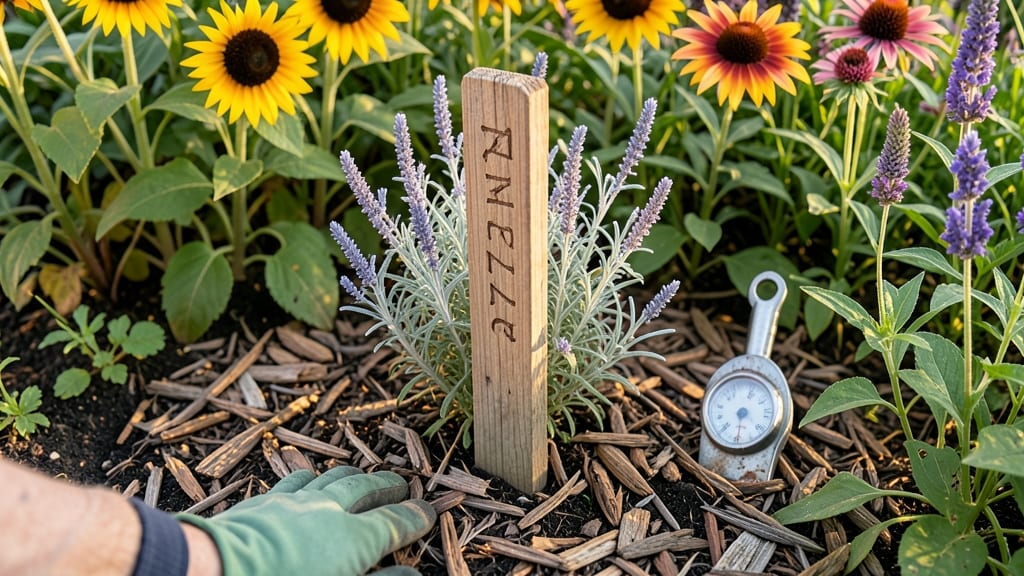
Gardening in Zone 7A means timing your plantings carefully: cool-season crops go in 4-6 weeks before your last frost (late February to early March), while warm-season crops wait until 2-3 weeks after (mid-April to early May). With frost-free dates stretching from March 15 to November 15, you can grow hardy annuals like pansies, biennials such as foxgloves, and perennials like daylilies or coneflowers for a thriving garden.
Zone 7A's mild winters and warm summers create a unique growing window that rewards gardeners who plan ahead. 🌱 The key is understanding your specific microclimate—urban areas may experience slightly warmer temperatures than rural spots, which can shift frost dates by a week or more.
I've found that tracking local weather patterns for at least 3 years gives the most reliable planting schedule, as sudden cold snaps can still occur even in this relatively temperate zone.
For example, while the average last frost is March 15, I've seen it linger until April 5 in some years.
This extended growing season also means you can experiment with succession planting for vegetables like lettuce and spinach, giving you multiple harvests throughout spring and fall.
The real advantage of Zone 7A is its ability to support both cool- and warm-season plants without the extreme temperature swings found in northern zones. Just be prepared to adjust your schedule based on actual frost dates rather than relying solely on averages.
💡 In This Article
- Understanding Zone 7A Climate and Frost Timelines
- Top 10 Best Plants for Thriving in Zone 7A Gardens
Understanding Zone 7A climate and frost timelines
Zone 7A's frost-free window—roughly March 15 to November 15—is shaped by its average minimum winter temperatures of 0°F to 5°F.
This range allows hardy plants to survive light frosts, while creating a 224-day growing season, one of the longest in the U.S. The key mechanism here is how cold air settles: urban areas often experience 2-4°F warmer nights due to the "heat island" effect from buildings and pavement, while rural spots can see sudden dips below 10°F during clear winter nights.
Temperature fluctuations are critical—plants like tomatoes (USDA Zone 5-10) thrive in Zone 7A's warm summers but need protection from late spring frosts (28°F or below).
I've noticed that hardy perennials like daylilies (Zone 3-9) bounce back from 15°F dips with minimal damage, while tender annuals like basil (Zone 10-11) must wait until soil reaches 55°F to prevent stunted growth.
The 10°F rule applies here: for every 10°F drop below optimal, plant growth slows by 50%.
Microclimates create local variations—south-facing slopes warm 2-3°F faster than north exposures, while low-lying areas trap cold air. This is why I always check 3 years of local frost records rather than relying on averages.
For example, while the average last frost is March 15, I've seen it linger until April 5 in some years—this 2-week difference can mean the difference between thriving and struggling plants.
Seasonal transitions matter too: spring's rapid warming (sometimes 15°F in 10 days) can fool gardeners into planting too early. The 50°F soil temperature threshold is your real guide—use a soil thermometer to confirm before planting warm-season crops.
In my experience, mid-April is safer than the calendar suggests, as late frosts can still occur during April showers.
Here's what actually happens during frost events: Ice crystals form in plant cells at 32°F, but the real damage occurs when temperatures drop below 28°F—this is when cell membranes rupture.
Hardy plants like foxgloves (Zone 4-8) have evolved to produce antifreeze proteins that prevent ice formation, while tender plants lack this protection. This biological difference explains why some plants survive 10°F while others wilt at 30°F.
Consider these key factors when planning:
- Urban vs Rural: Urban areas stay 2-4°F warmer at night, extending the growing season by 1-2 weeks
- Elevation Impact: Every 1,000 feet up drops temperatures by 3.5°F, potentially shifting your zone
- Wind Exposure: Wind chills can add 10°F to perceived cold, requiring protective measures
- Soil Warmth: Dark soils warm 5°F faster than light soils in spring sunshine
The science behind Zone 7A's success lies in its moderate temperature extremes—no prolonged sub-zero winters or scorching summers. This balance allows gardeners to grow a diverse range of plants that would struggle in harsher climates.
For example, while Zone 5 gardeners might struggle with tomatoes, Zone 7A gardeners can grow heirloom varieties like Brandywine that produce 1-pound fruits when given proper care. 🌿