
Tools
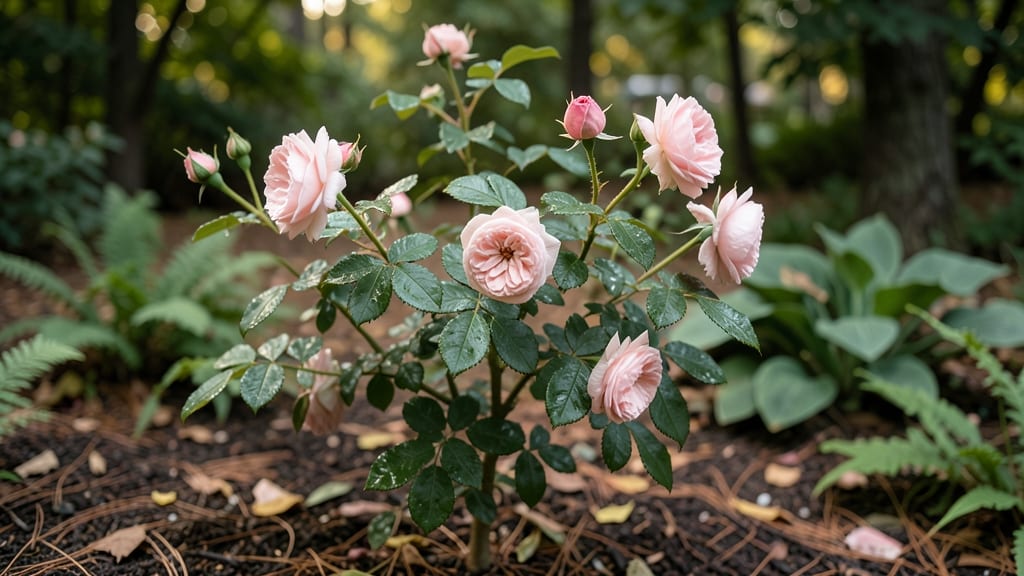
The Woodland Park Rose Garden at North 50th Street in Seattle, WA, provides complimentary public entry throughout the year, featuring stunning floral displays from late May to September. Visitors can explore seasonal bloom cycles and participate in guided tours showcasing rare rose cultivars and classic garden architecture.
The Woodland Park Rose Garden stands as Seattle's premier floral destination, blending horticultural history with accessible public enjoyment. 🌸 With over 500 carefully curated rose varieties—spanning antique heirlooms to modern hybrids—this 2.5-acre garden offers a living museum of botanical artistry.
The terraced design not only showcases Pacific Northwest gardening traditions but also provides breathtaking photo opportunities year-round, especially during the peak bloom season when the garden transforms into a vibrant canvas of color.
What makes this garden particularly special is its commitment to education and accessibility. The free admission policy removes barriers for all visitors, while the seasonal guided tours provide deeper insights into rose cultivation techniques and the garden's historical significance.
For those planning a visit, arriving during weekday mornings ensures a quieter experience to fully appreciate the meticulously maintained pathways and flowerbeds.
💡 In This Article
- Seattle Rose Garden Varieties and Historic Planting Design
- Best Times to Visit Woodland Park Rose Garden
Seattle rose garden varieties and historic planting design
The Woodland Park Rose Garden's collection features 500+ rose varieties, meticulously selected to showcase the evolution of rose cultivation.
You'll find heirloom varieties like the 'Souvenir de la Malmaison' (a classic 1817 Bourbon rose) alongside modern hybrids such as 'Julia Child', a 2010 introduction known for its disease resistance and vibrant pink blooms.
The garden's curators prioritize climbing roses along the terraced walls, where 'New Dawn' and 'Blaze' create dramatic vertical displays reaching 15-20 feet high.
The terraced design isn't just aesthetic—it's a functional masterpiece of Pacific Northwest horticulture. Each level is elevated 3-4 feet above the previous, creating microclimates that extend the bloom season by 4-6 weeks compared to flat gardens.
The south-facing slopes receive maximum sunlight, while the north-facing terraces provide shade for heat-sensitive varieties. This design also prevents soil erosion, a critical feature given Seattle's 12-15 inches of annual rainfall.
The gravel pathways between terraces improve drainage, preventing root rot in the acidic volcanic soil native to the area.
What makes the planting design particularly innovative is the layered approach that mimics natural ecosystems. At the base, groundcover roses like 'Dr. Huey' create lush green carpets, while shrub roses in the middle tiers provide structure. The upper terraces feature standard roses grafted onto 9-foot stems, creating living sculptures.
This technique allows gardeners to grow roses that would otherwise struggle in Seattle's cool, damp climate, as the grafted roots access deeper, warmer soil layers.
The garden's color palette follows seasonal progression—cool pastels in spring (white, blush pink), vibrant reds and yellows in summer, and deep burgundies in fall. The 1930s-era pergolas are draped with 'Zephirine Drouhin', a climbing rose that produces 3-inch blooms continuously from June to frost.
This variety's thornless canes make it particularly accessible for visitors with mobility concerns, aligning with the garden's commitment to inclusive design.
For rose enthusiasts, the garden's labeled variety plots serve as an outdoor classroom. Each section is marked with bronze plaques detailing the rose's origin, fragrance intensity (rated on a 1-5 scale), and maintenance requirements.
For example, 'Double Delight' is labeled as "fragrance: 4/5, disease resistance: excellent", helping visitors make informed choices for their own gardens.
The 1927 Rose Arbor contains some of the rarest specimens, including 'Cécile Brünner', a 1900 French rose with pale pink, cup-shaped blooms that perfume the air on warm days.
What most visitors don't realize is how the garden's pruning schedule creates its signature look. Roses are pruned in three phases: late winter (to remove dead wood), summer (to encourage bushier growth), and early fall (to prepare for winter).
This three-season maintenance ensures the garden maintains its neat, manicured appearance while maximizing bloom production. The result is a living tapestry that changes dramatically with each season—something you won't find in most public gardens.