
Tools
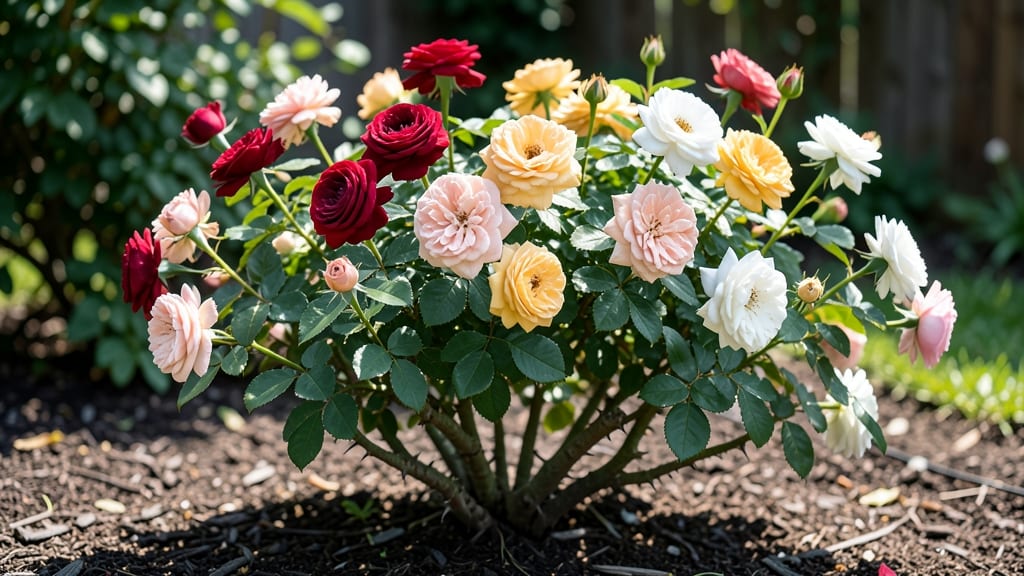
The rose garden at Stanley Park features over 50,000 blooms in peak season, best accessed via the Lost Lagoon entrance with free admission. Weekdays offer quieter visits, and late afternoon sunlight during June and July creates the most stunning floral displays.
The Stanley Park rose garden isn't just a floral spectacle—it's a carefully curated experience designed to showcase Vancouver's mild climate. 🌸 The garden's layout includes over 100 rose varieties, from classic climbers to modern hybrids, with peak bloom times varying by species.
What makes this garden special is how the park's natural light conditions create dramatic backdrops, especially near the lagoon's reflective waters. I always recommend bringing a light jacket, as coastal breezes can make even summer afternoons feel cooler than expected.
For those planning a visit, timing is everything. The garden's June and July blooms are the most vibrant, but early morning visits avoid midday crowds while still capturing soft morning light.
The Lost Lagoon entrance provides the most scenic approach, with the garden's winding paths leading visitors through themed sections that highlight different rose families. Pro tip: The garden's maintenance crew often shares hidden gems during guided tours—ask about their favorite lesser-known varieties!
💡 In This Article
- Best Seasons and Blooming Times for Stanley Park Roses
- Hidden Tips for Photographers and Plant Enthusiasts
Best seasons and blooming times for stanley park roses
The Stanley Park rose garden's 100+ varieties bloom in distinct seasonal waves, creating a year-round floral journey. Early spring brings the David Austin English roses, known for their layered petals and fragrance, which typically open between April and early May when daytime temperatures reach 55-65°F.
These roses thrive in the garden's well-drained soil, which maintains consistent moisture without waterlogging - a critical factor for their delicate blooms.
Summer transforms the garden into a vibrant canvas, with June and July marking peak bloom for hybrid teas and floribundas. The garden's 12-foot-tall climbing roses, like 'New Dawn', reach their maximum display during this period when average temperatures hover around 70-75°F.
What's fascinating is how the garden's coastal microclimate creates a 2-3 week extension of bloom times compared to inland Vancouver gardens - the ocean's moderating influence prevents sudden temperature swings that could shock the roses.
For photographers, understanding these bloom cycles means planning shoots around the color palette transitions. Early summer features bold reds and pinks, while late summer introduces softer pastels as the David Austin roses begin their second flush.
The garden's western exposure means afternoon sunlight (after 3 PM) creates long shadows that enhance floral textures - perfect for macro photography. 🌸
Fall brings a surprising second act with rugosa roses producing hip fruits that turn vibrant orange, while the garden's shrub roses maintain their color until first frost (typically late October).
The park's maintenance team strategically prunes 30% of the garden's roses in late winter to encourage stronger spring growth - a technique that ensures the garden's renowned abundance. This careful balance between natural cycles and human intervention creates the garden's signature lushness.
What most visitors don't realize is how the garden's elevation changes affect bloom timing. The higher sections near the Totem Poles experience slightly cooler temperatures, causing David Austin roses to bloom 7-10 days later than those near the lagoon.
This staggered blooming creates a continuous display from May through September - a testament to the garden's thoughtful design that mimics natural ecosystems.
The garden's free admission makes it Vancouver's best-kept secret for seasonal flower lovers. While peak summer attracts the most visitors, September and October offer quieter experiences with equally stunning displays - plus the added bonus of autumn foliage framing the roses.
For those planning a visit, checking the park's weekly bloom updates (available online) can help target specific varieties during their optimal viewing windows.