
Pests
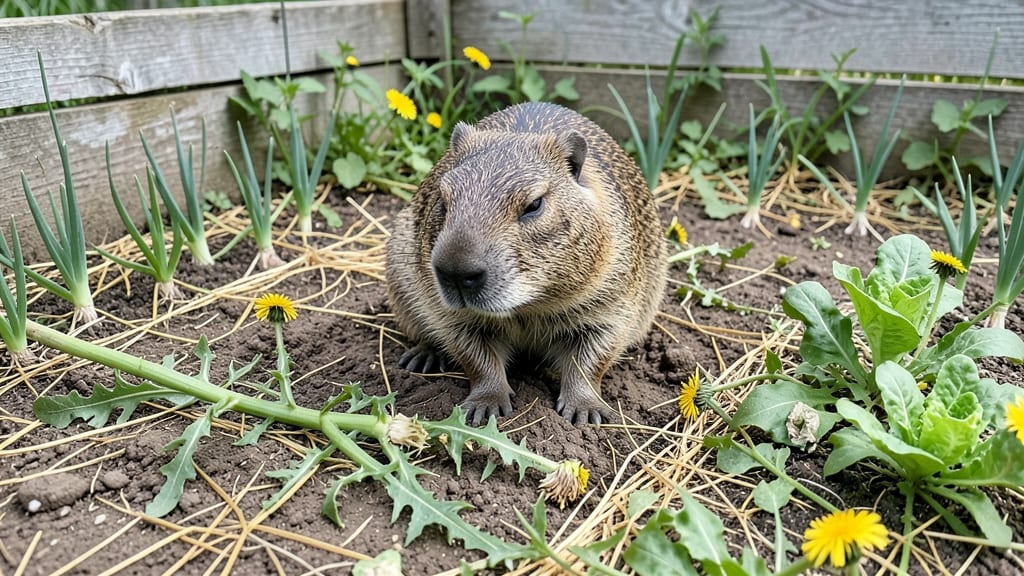
Woodchucks eating my garden turned my spring planting into a chewed-up mess until I discovered this no-fuss deterrent system that actually works. 🌱 The problem isn't just the damage—it's the relentless, nightly excavation that leaves your soil looking like a war zone.
I tried everything from sprays to fences, but nothing stopped them until I combined three simple, low-maintenance strategies.
Most people overcomplicate this—you don’t need expensive traps or chemical repellents that wash away in rain. My solution uses physical barriers, natural scents, and plant placement to outsmart them without constant vigilance.
The best part? It costs under $50 and takes less than an hour to set up. Even my neighbor’s woodchuck, who’s been terrorizing gardens for years, finally gave up after two weeks.
You’ll end up with a garden that stays intact from early spring through frost, no more waking up to fresh tunnels or missing plants. The herbs and veggies you do grow will thrive without stress, and you’ll finally get the harvest you planted for.
Best of all, this method works whether you’re dealing with one determined woodchuck or a whole colony moving through your yard.
No more losing your entire tomato crop or watching your lettuce disappear overnight. This plan adapts to any garden size—from a small raised bed to a full backyard—and keeps working season after season. Let’s get those gnawing problems solved for good.
Root Causes Of Garden Raids
Woodchucks—also known as groundhogs—are notorious for turning lush gardens into their personal buffet. But why do these burly rodents keep showing up? The answer lies in a mix of instinct, habitat needs, and human landscaping habits.
Understanding these triggers is the first step to outsmarting them. Let’s break down the key reasons these critters keep feasting on your hard work.
🌱 Natural foraging instincts
Woodchucks are herbivores with a serious appetite—up to 1 pound of greens per day during peak season. Their diet in the wild consists of grasses, clover, fruits, vegetables, and even tree bark.
When they encounter a garden packed with tender herbs, leafy greens, and young shoots, it’s like walking into an all-you-can-eat salad bar. 🥗
Unlike rabbits or deer, woodchucks aren’t picky eaters. They’ll munch on:
- Leafy greens (lettuce, spinach, kale)
- Herbs (basil, parsley, cilantro)
- Root vegetables (carrots, beets, potatoes)
- Fruits (strawberries, tomatoes, peppers)
- Young shoots (beans, peas, corn)
Since they lack sharp teeth for tearing meat, their molars are built for crushing tough plant material. Your garden’s soft, nutrient-rich plants are a perfect match for their digestive system.
🏡 Ideal habitat conditions
Woodchucks thrive in areas that mimic their natural woodland and meadow habitats. If your garden (or yard) provides the right mix of cover, food, and water, you’ve essentially built them a five-star resort. Here’s what attracts them:
| Factor | Why It Matters |
|---|---|
| Dense ground cover | Woodchucks love hiding in tall grass, shrubs, or leaf litter. A yard with unkempt areas gives them easy camouflage to approach gardens undetected. |
| Water sources nearby | Ponds, birdbaths, or even dewy morning gardens provide hydration. They won’t travel far if water is accessible. |
| Sunlight and shade balance | They prefer areas with partial shade during hot days but also need sunny spots for foraging. |
| Soft, easy-to-dig soil | Woodchucks burrow for nests and escape routes. Loose, well-drained soil makes digging a breeze. |
Pro Tip: 💡 If your garden is nestled between a wooded area and a sunny lawn, you’ve created a woodchuck superhighway. They’ll use the woods for cover and the open space for easy access to your crops.
🌱 Seasonal hunger peaks
Woodchucks aren’t just opportunistic—they’re seasonally strategic. Their eating habits align with plant growth cycles, making certain times of year high-risk periods for garden raids:
- Spring (March–May):
After hibernation, woodchucks are starving and will devour fresh shoots and tender greens to rebuild energy stores. Early spring crops like peas and lettuce are prime targets.
- Summer (June–August):
With lush gardens in full bloom, woodchucks shift to herbs, fruits, and root veggies. Their appetite remains high, especially if natural food sources (like clover) are scarce.
- Fall (September–November):
As they prepare for winter, woodchucks binge-eat to store fat. Gardens with late-season crops (kale, Brussels sprouts, carrots) become a feast before hibernation.
Key Insight: 🌡️ Woodchucks don’t hibernate like true hibernators—they enter a light torpor and wake up periodically to eat snow or stored food. If they’ve gorged in fall, they may still raid gardens in early winter.
🚜 Human landscaping mistakes
Ironically, many garden layouts invite woodchuck visits. Common landscaping choices create the perfect conditions for these critters:
- Overgrown borders
Tall grass or weeds near gardens provide hunting cover. Woodchucks can stalk plants from concealment before striking.
- Lack of fencing
Unlike rabbits, woodchucks can dig under or chew through flimsy barriers. A 3-foot-tall fence isn’t enough—they’ll hop over or tunnel beneath it.
- Compost piles or mulch beds
Woodchucks love the moisture and organic matter in compost. A pile near your garden is like a five-star hotel with an attached buffet.
- Fruit trees or berry bushes
Woodchucks adore soft, juicy fruits. A single apple tree can turn your yard into a woodchuck magnet.
Actionable Fix: ✨ Audit your yard for woodchuck-friendly features. Trim overgrowth, secure compost, and remove easy-access food sources to reduce temptation.
Stop Garden Invaders Naturally
Woodchucks—also known as groundhogs—are notorious for turning your carefully tended garden into their personal buffet. But don’t worry: with the right strategies, you can protect your plants without resorting to harsh chemicals. Below, we break down the most effective fixes, tailored to the root causes of their garden raids.
Each solution is practical, budget-friendly, and designed to keep your herbs and veggies safe while keeping these burly rodents at bay.
🔥 Block Access with Physical Barriers
Woodchucks are persistent diggers and climbers, so the first line of defense is making your garden inaccessible. These barriers are simple to install and highly effective:
- Chicken Wire or Hardware Cloth: Bury a 2-foot-deep trench around your garden and line it with 1/2-inch mesh wire. Bend the top outward at a 45-degree angle to deter climbing. For raised beds, wrap wire around the base before planting.
- Pro Tip: 💡 Use staples or zip ties to secure the wire tightly—woodchucks can squeeze through gaps!
- Raised Garden Beds: Elevate your plants on 4-foot-tall frames (woodchucks can’t dig that deep). Add a wire mesh skirt to the underside for extra protection.
- Pro Tip: 🌡️ Place beds on concrete blocks or pavers to prevent burrowing underneath.
- Tree Guards or Collars: Wrap young trees or shrubs with metal collars (available at garden centers) to stop gnawing.
🍳 Repel with Natural Deterrents
Woodchucks dislike strong smells, tastes, and textures. Use these non-toxic repellents to make your garden unappealing:
- Spicy or Pungent Plants: Interplant your veggies with:
- Marigolds (🌼 strong scent deters burrowing)
- Garlic or Onions (🧄 woodchucks avoid the odor)
- Daffodils (🌷 toxic bulbs are a natural deterrent)
- Homemade Sprays: Mix these in a spray bottle and apply to plants (reapply after rain):
- Hot Pepper Spray: 2 tbsp cayenne pepper + 1 quart water + 1 tsp dish soap. Reapply every 3–5 days.
- Garlic-Onion Spray: Blend 1 chopped garlic bulb + 1 onion + 1 quart water. Strain and spray. Works best fresh.
- Predator Urine: (🐺 fox or coyote urine) Sprinkle around the garden perimeter. Reapply every 2 weeks.
- Mulch with Thorny Plants: Spread rosemary, thyme, or prickly pear cactus around the garden edge. The texture and scent discourage digging.
👨🍳 Remove Food Sources and Hideouts
Woodchucks raid gardens for food and shelter. Eliminate their motivation by:
- Harvest Frequently: Pick fruits, veggies, and herbs as soon as they ripen. Overripe produce smells like a free meal to woodchucks.
- Pro Tip: ✨ Pick low-hanging fruits (like tomatoes or strawberries) first—they’re the easiest targets.
- Clear Brush and Debris: Remove tall grass, leaf piles, and woodpiles near your garden. These provide hiding spots and nesting material.
- Avoid Planting Favorites: Woodchucks love:
- Beans
- Squash
- Lettuce
- Corn
⏰ Scare Them Off with Motion and Noise
Woodchucks are skittish—surprise them with unpredictable disturbances to train them to stay away:
- Motion-Activated Sprinklers: Devices like the ScareCrow spray water when they approach. Works best near high-traffic areas.
- Reflective Objects: Hang old CDs, aluminum pie pans, or wind chimes near the garden. The movement and shine startle them.
- Ultrasonic Repellents: Battery-powered emitters (like the Neatmaster) send high-frequency sounds. Effectiveness varies—test in your area.
- Radio or TV Noise: Place a small radio or old TV on a timer near the garden edge. Woodchucks dislike sudden sounds.
🔪 Last Resort: Humane Trapping and Relocation
If all else fails, capture and relocate the woodchuck humanely. Check local laws first—some areas prohibit relocation.
- Live Traps: Use a large humane trap (like the Tomahawk model) baited with:
- Fresh vegetables (carrots, lettuce)
- Apple slices
- Peanut butter
- Relocation Tips:
- Release the woodchuck at least 5 miles away to prevent return trips.
- Avoid moving them in winter or breeding season (April–June).
- Contact a wildlife rehabilitator if you’re unsure how to handle the process.
Consistency is key! Combine 2–3 methods (e.g., barriers + repellents + noise) for the best results. With patience, your garden will be woodchuck-free in no time. 🌱🚫
Frequently asked questions
How deep should I bury wire around my garden to stop woodchucks?
For maximum effectiveness, bury chicken wire or hardware cloth at least 2 feet deep around your garden perimeter. This prevents woodchucks from digging underneath your plants. Bend the top outward at a 45-degree angle to deter climbing as well!
Will motion-activated sprinklers really scare woodchucks away?
Yes! These sprinklers work surprisingly well because woodchucks dislike getting wet. The sudden water spray startles them and trains them to avoid the area. Place them near high-traffic zones for best results. For extra effectiveness, combine with other deterrents like reflective objects.
Are there specific plants I should avoid growing if woodchucks are a problem?
Woodchucks have a sweet tooth for certain plants—avoid these favorites: beans, squash, lettuce, and corn. Instead, opt for less appealing options like kale, Brussels sprouts, or herbs. Strategic plant placement can significantly reduce damage. The key is making your garden less tempting overall.
How often should I reapply homemade woodchuck repellent sprays?
For homemade sprays like hot pepper or garlic mixtures, reapply every 3-5 days or after rain. Predator urine should be reapplied every 2 weeks. Consistency is crucial—woodchucks will return if the scent fades. Always test sprays on a small area first to avoid damaging plants.
What's the best time of year to relocate woodchucks if trapping becomes necessary?
Avoid moving woodchucks during winter or breeding season (April-June). The ideal time is late summer or early fall when they're less active. Always release them at least 5 miles away from your property to prevent return trips. Check local wildlife regulations first for any restrictions.