
Companion Plants
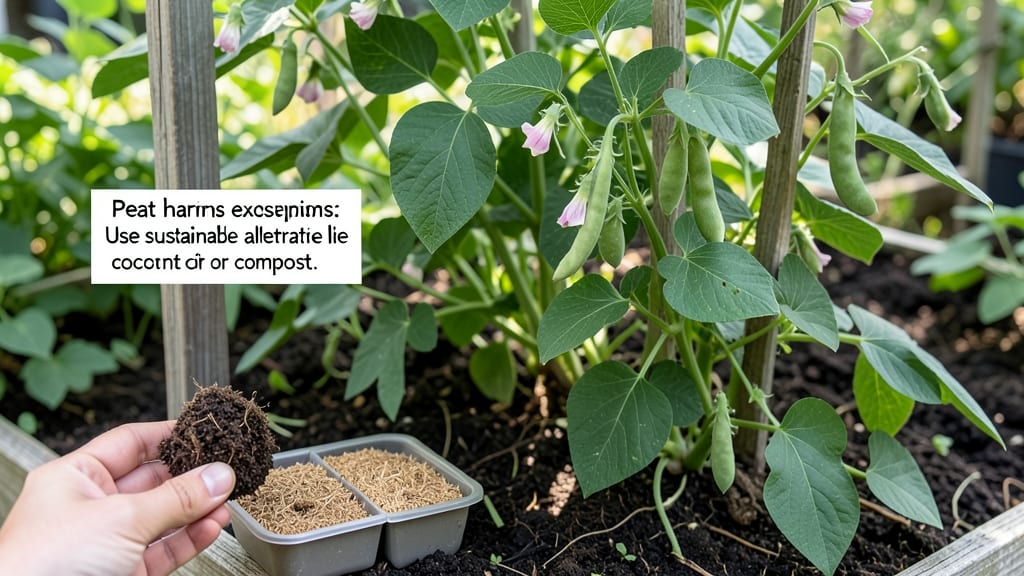
Peat is bad for gardens because using it requires stripping away peatlands, which releases massive amounts of stored carbon and destroys habitats that take centuries to recover. This practice contributes to climate change while depleting a finite resource that supports unique ecosystems.
Peatlands store more carbon than all the world's forests combined, acting like natural sponges that lock away greenhouse gases for millennia. 🌍 When these wetlands are drained for gardening soil, they release carbon dioxide and methane at alarming rates—up to 10 times more than intact peatlands.
The damage isn't just environmental; it's irreversible on human timescales, since peat accumulation happens at a glacial pace of just 1 millimeter per year.
What makes this especially problematic is how widely peat is used in gardening—it's often found in potting mixes and soil amendments without gardeners realizing the ecological cost. Many sustainable alternatives exist, like coconut coir or composted plant matter, that provide similar moisture retention without the environmental harm.
The shift to these options isn't just ethical—it's becoming necessary as regulations tighten on peat use in many countries.
💡 In This Article
- How Peatland Destruction Accelerates Climate Change
- Best Peat-Free Soil Alternatives for Gardeners
How peatland destruction accelerates climate change
Peatlands function as Earth's most effective carbon sinks, storing twice as much carbon as all the world's forests combined. These wetlands accumulate organic matter at a rate of just 1 millimeter per year, meaning each layer of peat represents centuries of carbon storage.
When peatlands are drained for gardening soil, they release both carbon dioxide and methane—with methane being 25 times more potent than CO₂ as a greenhouse gas over a 100-year period.
The damage begins when peat is harvested. Draining peatlands exposes the waterlogged organic material to oxygen, triggering rapid decomposition that converts stored carbon into greenhouse gases. Studies show drained peatlands emit 10 times more carbon than intact wetlands.
The process is irreversible on human timescales because peat formation requires specific conditions—cold climates, water saturation, and minimal oxygen—that modern agriculture actively destroys. 🌍
Beyond carbon emissions, peatland destruction decimates biodiversity. These ecosystems support rare plant and animal species adapted to their unique conditions, including carnivorous plants like the Venus flytrap and endangered birds. The loss of peatlands also disrupts water cycles, reducing natural flood control and clean water filtration that benefits entire regions.
What makes this particularly insidious is that peat is often marketed as a "natural" soil amendment without disclosing its ecological cost.
Methane emissions from drained peatlands are especially concerning because they occur during both the harvesting process and ongoing decomposition. When peat dries out, microbial activity skyrockets, creating "hotspots" of methane production that can persist for decades.
The European Union has already banned peat in horticulture, recognizing that the climate damage outweighs any gardening benefits. This shift reflects growing scientific consensus that peat's carbon footprint makes it incompatible with sustainable land use.
What most gardeners don't realize is that peat's water retention properties—often cited as its primary benefit—can be perfectly replicated by sustainable alternatives. Coconut coir, for example, holds 7-10 times its weight in water while having a neutral carbon footprint.
The environmental cost of peat isn't just theoretical; it's measurable in both atmospheric carbon levels and lost ecosystem services that would otherwise help mitigate climate change.
The irreversible nature of peatland destruction makes this one of the most critical environmental issues facing modern agriculture.
Unlike other natural resources, peatlands don't regenerate within our lifetimes—each year of harvesting represents centuries of lost carbon storage capacity. 💫 This is why scientists emphasize that the only truly sustainable approach is to eliminate peat from gardening entirely and transition to proven alternatives that support rather than destroy our planet's ecosystems.