
Watering
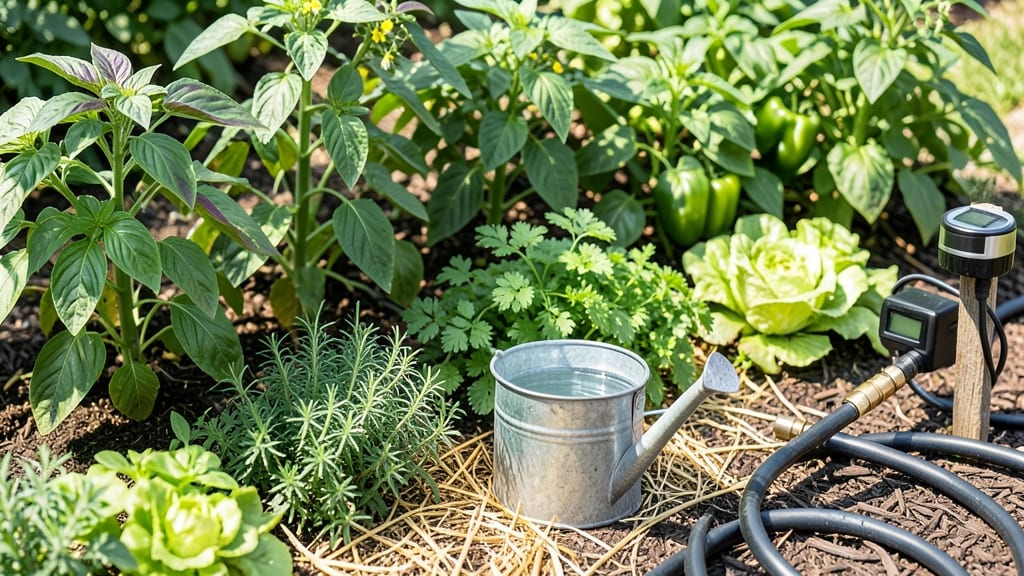
Watering your garden in summer at the right time is the secret to keeping your 🌱 thriving when temperatures soar and evaporation steals every drop.
Struggling to keep your garden thriving in scorching summer heat? The perfect watering schedule could be the difference between lush plants and wilting disappointment—especially when deciding between morning or evening hydration.
Most gardeners assume watering in the evening keeps roots cool, but that’s not always the case. In fact, early morning watering often gives plants a stronger start to the day, reducing fungal risks while letting soil absorb moisture before the sun peaks.
Below, I’ll break down the science behind timing, how to tell if your garden is thirsty, and the best practices for different plants—so you can water with confidence, no guesswork required.


Optimal summer watering times: morning vs. evening science explained
Summer heat turns your garden into a battleground for moisture retention. The ideal watering time isn't just about convenience—it's about plant physiology and environmental science. Watering at the wrong time can lead to fungal diseases, wasted water, or stressed roots.
Let's break down why morning watering often wins, but when evening hydration might be better for your specific plants.
Plants absorb water through their roots, but evaporation rates skyrocket under the midday sun. Studies show that up to 30% of water can evaporate before reaching the soil if applied at noon. Morning watering (before 10 AM) gives roots time to soak up moisture while temperatures rise gradually.
Meanwhile, evening watering (after 6 PM) can leave foliage damp overnight, inviting powdery mildew and other fungal issues.
Here's the science-backed comparison to help you decide:
| Factor | Morning Watering (Before 10 AM) | Evening Watering (After 6 PM) |
|---|---|---|
| Evaporation Loss | Low (cooler temps) | Moderate (humidity helps) |
| Root Absorption | Optimal (full day to absorb) | Good (but less time) |
| Fungal Risk | Low (foliage dries quickly) | High (damp leaves overnight) |
| Best For | Most plants (veggies, flowers, lawns) | Drought-prone areas (less water waste) |
| Water Efficiency | High (less evaporation) | Moderate (depends on humidity) |
For container gardens or potted plants, morning watering is almost always better because pots heat up quickly, causing rapid moisture loss. However, in arid climates with low humidity, evening watering can be more efficient since less water evaporates before reaching the soil.
The key is observing your garden's specific response—wilting leaves by midday suggest morning watering is critical.
Pro tip: Use a soaker hose or drip irrigation for morning watering. These deliver water directly to the roots, minimizing evaporation and maximizing absorption. Avoid overhead sprinklers, which waste up to 50% of water through evaporation and wind drift.
For lawns, early morning watering also reduces fungal diseases like brown patch, which thrives in damp grass overnight.
If you must water in the evening, aim for 6 PM or later to give foliage time to dry before nightfall. This is especially important for tomatoes and peppers, which are prone to blight.
Pair evening watering with proper spacing between plants to improve airflow and reduce humidity around leaves. Always check your local weather forecasts—heatwaves may require morning watering even if you prefer evenings.
Remember, deep watering (1-2 inches per session) is more effective than frequent shallow watering. This encourages roots to grow deeper, making plants more resilient to summer drought. Mulch with 2-3 inches of organic matter to retain moisture and regulate soil temperature, which works hand-in-hand with your chosen watering time.
Experiment with both methods for a month and track your plants' responses. Look for vigor in growth, fewer yellow leaves, and stronger stems—these are signs you've nailed the perfect summer watering schedule. Your garden will thank you with bountiful blooms and healthy harvests all season long. 🌱
Signs your garden needs water (and when to adjust timing)
Summer heat can turn your garden into a thirsty landscape if you're not paying attention. Wilting leaves are the most obvious sign, but dry soil and yellowing foliage also scream for hydration.
I’ve learned the hard way that ignoring these cues leads to stressed plants—even drought-tolerant varieties like lavender or rosemary can suffer if neglected during heatwaves.
Don’t assume all plants follow the same rules. Vegetables like tomatoes and peppers need consistent moisture, while succulents and cacti thrive on neglect. Adjusting your watering schedule based on plant type and local humidity is key to avoiding both underwatering and overwatering.
🚨 ⚠️ WARNING: Common Watering Mistakes in Summer ⚠️
Watering at the Wrong Time
Watering during peak sun hours (10 AM–4 PM) causes rapid evaporation, wasting water and leaving roots parched. Evenings can trap moisture, promoting fungal diseases like powdery mildew. Morning watering (before 9 AM) is ideal—it lets roots absorb moisture before the heat sets in.
Ignoring Soil Type
Clay soil holds moisture longer than sandy soil, which drains quickly. If your garden has sandy soil, you may need to water daily during heatwaves, while clay-heavy gardens might only need watering every 3–4 days. Always check soil moisture 1–2 inches deep with your finger.
Overwatering New Plants
Freshly transplanted seedlings or young perennials are vulnerable to root rot if overwatered. Stick to light, frequent watering for the first 2 weeks, then gradually increase depth. Mulch with straw or wood chips to retain moisture without suffocating roots.
Heatwaves and drought conditions demand extra vigilance. If your area experiences triple-digit temperatures, increase watering frequency by 30–50% compared to normal summer schedules. Drip irrigation or soaker hoses deliver water directly to roots, reducing evaporation and ensuring efficiency.
I’ve seen tomato plants wilt within hours on 90°F+ days if not hydrated properly.
Adjust your timing based on local climate patterns. In humid regions like the Southeast, evening watering can work—but only if you water before sunset to prevent fungal growth. In arid climates like the Southwest, morning watering is non-negotiable.
Pay attention to forecasted rain too; skip watering if 1 inch of rain is expected in the next 48 hours.
Don’t rely solely on a set schedule. Instead, use the "finger test": Stick your finger 2 inches into the soil. If it feels dry, it’s time to water.
For container gardens, lift pots—if they’re lightweight, they need water. Mulching with 3–4 inches of organic matter (like shredded leaves or grass clippings) locks in moisture and keeps roots cool.
Watch for early warning signs like drooping leaves or crispy leaf edges. These indicate your plants are thirsty, not necessarily dying. A quick deep watering can revive them—just avoid shallow sprinkling, which encourages weak, shallow roots.
For deep-rooted plants like roses or fruit trees, water slowly over 30–60 minutes to encourage roots to grow deeper.
Summer garden care isn’t one-size-fits-all. Adjust your approach based on plant needs, soil type, and weather forecasts. With the right timing and attention, even the hottest days won’t stand a chance against your thriving garden. 💧☀️