
Watering
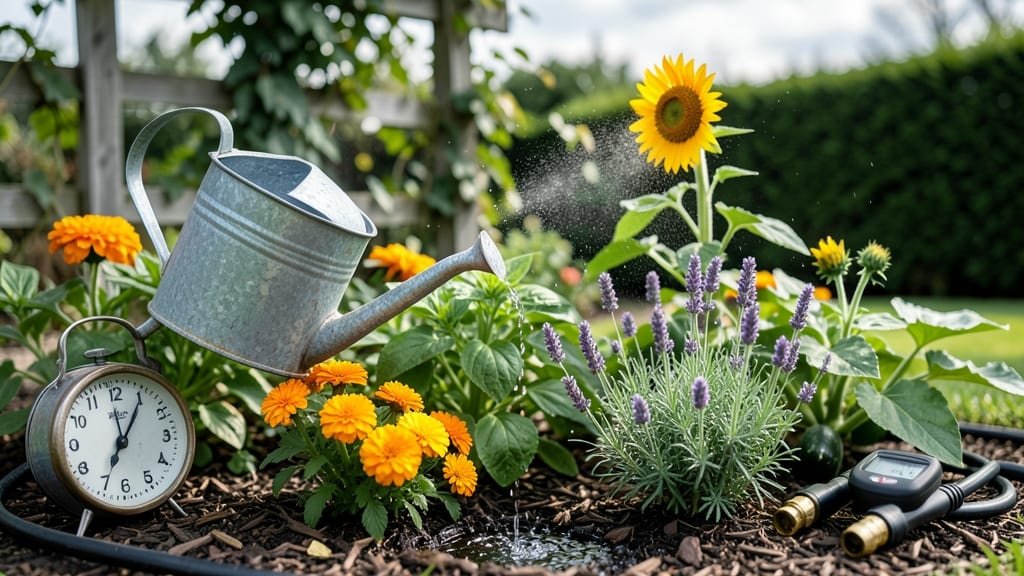
Watering your garden in summer isn’t just about keeping the soil damp—it’s about timing, soil type, and knowing when to stop before you drown roots.
Struggling to keep your garden lush and vibrant during scorching summer heat? Overwatering or underwatering can both spell disaster for your plants—here’s the science-backed schedule tailored to your soil type.
Clay holds moisture like a sponge, while sandy soil drains faster than you can say "midday sun." That’s why a one-size-fits-all approach fails: your 🌱 General Garden Plants in USDA Zone 6a need different care depending on whether your beds are heavy or light.
Below, I break down the exact intervals for each soil type, plus how to adjust for heatwaves, drought, and the signs your plants are thirsty—or drowning.
Summer watering schedule by soil type: exact intervals for healthy plants
Summer heat can turn your garden into a battleground between thirsty roots and drying soil. The key to victory? Understanding your soil type and adjusting your watering intervals accordingly.
Different soils—clay, sandy, loamy, or rocky—hold moisture differently, meaning your tomatoes and roses might need water every 2 days in one garden bed but only once a week in another just feet away.
Before grabbing your hose, test your soil moisture by sticking your finger 1-2 inches deep. If it feels dry, it’s time to water. For deep-rooted plants like shrubs or fruit trees, dig deeper—4-6 inches—to check moisture levels.
This simple test saves water and prevents root rot from overwatering or wilting from underwatering.
Extreme heatwaves? Cut watering intervals in half and water early in the morning (before 10 AM) to reduce evaporation. Avoid evening watering—wet foliage overnight invites fungal diseases like powdery mildew. Let your soil type guide your schedule, not the calendar.
| Soil Type | Moisture Retention | Watering Interval (Summer) | Root Depth Target | Best Watering Method |
|---|---|---|---|---|
| Clay | High (holds water but drains slowly) | Every 5-7 days (deep soak) | 4-6 inches (roots struggle in compacted soil) | Drip irrigation or soaker hose |
| Sandy | Low (drains quickly, low nutrients) | Every 1-2 days (light, frequent water) | 2-4 inches (shallow roots) | Mulch heavily + morning watering |
| Loamy | Moderate (ideal balance) | Every 3-5 days (adjust for heat) | 3-5 inches (deep, healthy roots) | Deep watering (1-2 inches per week) |
| Rocky | Very Low (water runs off) | Every 1-3 days (short, frequent bursts) | 1-2 inches (limited soil volume) | Container gardening or raised beds |
💧 Pro Tip: For vegetables like lettuce or spinach, increase frequency to daily in sandy/rocky soils during heatwaves.
Your vegetable garden has different needs than your ornamental shrubs. Leafy greens like kale or spinach wilt fast in sandy soil, needing water every 1-2 days, while deep-rooted herbs like rosemary can survive on weekly deep waterings in clay soil.
Always water at the base, not the leaves, to prevent disease and encourage strong root growth.
Mulching is your secret weapon—2-3 inches of organic mulch (straw, wood chips) reduces evaporation by 30% and keeps roots cool. For container gardens, check soil moisture daily—potted plants dry out 3x faster than in-ground beds. If the top 1 inch feels dry, it’s time to water, even if it’s only been 24 hours.
Heatwaves? Double-check your schedule. If temperatures hit 90°F+, reduce intervals by half and water twice daily (morning + late afternoon) for sandy or rocky soils. Use a moisture meter for accuracy—no more guessing!
Overwatering in clay soil leads to root rot, while underwatering in sandy soil causes crispy leaves. Balance is everything.
Adjust for plant maturity too. Young seedlings need daily watering regardless of soil type, while established perennials can handle longer gaps. Group plants with similar water needs together—succulents with lavender, tomatoes with basil. This zone watering saves time and ensures no plant feels neglected. A well-organized garden is a thriving garden.
Don’t forget to monitor your plants for signs of stress. Yellowing leaves? Overwatered clay soil. Wilting by noon? Underwatered sandy soil. Fungal spots? Evening watering habit.
Your garden’s visual cues are its way of talking—listen closely. With this soil-specific schedule, your tomatoes, roses, and herbs will stay lush, healthy, and happy all summer long.
🌱 Ready to transform your watering routine? Grab your moisture meter, mulch, and timing tips, and watch your garden flourish—no more guesswork, just science-backed success!
Signs your garden needs water (or too much): visual cues to avoid common mistakes
Summer heat can trick even experienced gardeners into overwatering or underwatering. Leafy greens like lettuce and basil wilt dramatically when thirsty, while succulents and cacti pucker from excess moisture. The key is learning to read your plants' visual stress signals before damage occurs.
Start by checking the soil moisture with your finger—stick it 1-2 inches deep. If it feels dry, most plants need water immediately. For container gardens, lift the pot; if it's lightweight, it's time to water.
Humidity also plays a role: high humidity means water evaporates slower, while dry spells demand more frequent watering.
💧 Summer Watering Quick Guide
Leafy Greens & Herbs: Water daily in extreme heat (90°F+), every 2 days in moderate heat (75-85°F). Signs of thirst: droopy leaves, yellowing edges.
Succulents & Cacti: Water every 2-3 weeks (less in humidity). Signs of overwatering: soft, mushy stems, black spots.
Flowering Plants: Deep water every 3-5 days. Wilting in morning hours means thirst; wilting in evening suggests root stress.
⚠️ Pro Tip: Always water at soil level, not leaves, to prevent fungal diseases.
Yellowing leaves often signal overwatering, but not always. Chlorosis (yellowing between leaf veins) can also mean nutrient deficiencies like iron or magnesium. To test, gently tug on the plant—if it pulls out easily, roots are rotting from excess water. Mold or mildew on soil or leaves confirms overwatering.
For vegetable gardens, focus on deep, infrequent watering to encourage strong root growth.
Tomatoes and peppers need 1-2 inches of water per week, while root crops like carrots prefer consistent moisture but hate soggy soil. Drip irrigation is ideal for summer, delivering water directly to roots while reducing evaporation.
Adjust your schedule based on weather forecasts. If rain is predicted, skip watering for 24 hours. In heatwaves, increase frequency but reduce amount per session to avoid runoff. Morning watering (before 10 AM) is best—it gives plants time to absorb moisture before evening heat.
Remember, every plant is unique. Observe your garden daily: crispy leaf edges mean underwatering, while pale, spongy leaves mean overwatering. With practice, you'll develop an instinct for what your garden truly needs—no guesswork required! 🌱