
Blooming
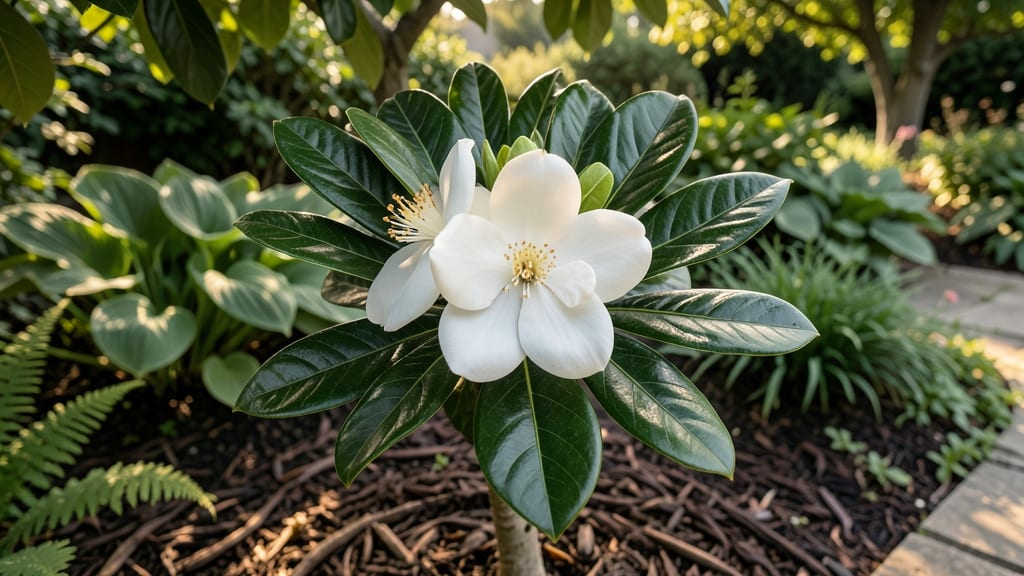
Gardenias in Florida bloom between late winter and early summer, but the exact timing depends on whether you’re in the humid north or the balmy south.
If you’ve ever wondered why your gardenia bushes seem to bloom at different times—or why your neighbor’s gardenias are already fragrant while yours are still dormant—Florida’s climate holds the answer.
The 9a-11 zones create a 1-2 month shift in blooming seasons, with northern varieties often waiting for warmer temperatures to kick in.
This tropical shrub thrives year-round in Florida, but its peak bloom window—typically March through June—aligns with rising humidity and consistent warmth. Some gardenias, especially hardier varieties, may even produce sporadic blooms outside this window, especially in the southern regions.
Below, I’ll break down the exact months by region, share care tips to encourage blooming, and explain how Florida’s unique climate—from Jacksonville’s cooler winters to Miami’s steady warmth—shapes your gardenia’s schedule.
Gardenias blooming months in Florida: north vs south regional differences
Florida’s gardenias are famous for their intoxicating fragrance, but their blooming windows differ dramatically between the northern and southern regions.
In North Florida (like Jacksonville or Orlando), cooler winters delay blooms until late March or April, while South Florida (Miami, Tampa) gardenias often burst into bloom as early as February. These differences stem from temperature, humidity, and microclimates that create distinct growing conditions.
The USDA zones 9a-11 in Florida may seem uniform, but local weather patterns create 1-2 month shifts in blooming timing. For example, a hardy gardenia in Jacksonville might not flower until May, while the same variety in Miami could be in full bloom by March.
Understanding these regional nuances helps you time pruning and fertilization for optimal results.
| Region | Primary Blooming Window | Secondary Blooms | Key Climate Factor |
|---|---|---|---|
| North Florida (Jacksonville, Orlando) | Late March - May | June (light) | Cooler winters, lower humidity |
| Central Florida (Tampa, Ocala) | February - April | May - July (spotty) | Moderate winters, variable humidity |
| South Florida (Miami, Fort Lauderdale) | January - March | Year-round (with care) | Warm winters, high humidity |
In North Florida, gardenias often experience a dormant period during winter when temperatures dip below 50°F. This delay forces blooms to wait until spring when days lengthen and humidity rises.
My Orlando gardenias typically start budding in late February, but full blooms don’t appear until April after several 60°F+ days in a row.
Conversely, South Florida’s mild winters (rarely below 60°F) allow gardenias to bloom earlier. The constant humidity and warmth create ideal conditions for prolonged flowering. In Miami, I’ve seen gardenias with three bloom cycles per year if cared for properly, including winter and fall flushes.
The transition zone (Central Florida) shows the most variation. Cities like Tampa and Ocala may see blooms as early as February in sheltered microclimates, while unprotected plants might delay until March. This inconsistency makes local observations crucial—watch your neighbors’ gardenias to predict your own timing!
Another factor is sea breezes in coastal areas, which can extend blooming seasons. My St. Augustine gardenias near the Atlantic often bloom 2 weeks earlier than inland plants due to the moderating ocean influence. If you live near the coast, expect your gardenias to follow this coastal advantage pattern.
For gardeners in North Florida, the key to earlier blooms is winter protection. Wrapping plants in burlap or using mulch can shield roots from cold snaps, encouraging earlier bud formation.
In South Florida, the challenge shifts to preventing heat stress—providing afternoon shade helps maintain blooming through summer.
Regardless of location, gardenias thrive when given consistent moisture and acidic soil (pH 5.0-6.0). In drier northern regions, I increase watering to every 2-3 days during bloom season, while South Florida gardenias need daily watering only during peak summer heat.
The right care makes all the difference in timing!
If you’re new to Florida gardening, start by identifying your region’s typical bloom window, then adjust your pruning schedule accordingly. Prune after blooming (late summer) to encourage next year’s flowers—this simple step can shift your gardenia’s timing by several weeks! 🌸
How to predict gardenia blooms in Florida: climate, variety, and care tips
Florida’s humid subtropical climate creates the perfect conditions for gardenias, but timing blooms requires understanding your specific microclimate. In northern Florida (like Jacksonville), blooms typically peak from April to June, while southern Florida (Miami, Fort Myers) sees flowers as early as February or even year-round in ideal conditions.
The key lies in balancing heat, humidity, and care—and knowing which varieties thrive best in your zone.
Not all gardenias follow the same schedule. ‘Kleim’s Hardy’ gardenias, for example, often bloom earlier than standard varieties, sometimes as early as late winter, while ‘Radicans’ (climbing gardenias) may produce blooms in late spring or summer.
These differences are influenced by root strength, sunlight exposure, and soil acidity. If your gardenias seem sluggish, it might be time to adjust your watering, pruning, or fertilization routine to encourage healthier blooms.
- Climate Zone: Northern FL (April-June), Southern FL (Feb-July)
- Variety: ‘Kleim’s Hardy’ blooms earliest; ‘Radicans’ later
- Soil pH: Maintain 5.0-6.0 for optimal blooming
- Watering: Deep soak 2-3x/week; avoid soggy roots
- Pruning: Trim after blooming to encourage new growth
- Fertilizer: Use acid-loving formula in spring/fall
To extend your gardenias’ bloom period, focus on consistent moisture and balanced fertilization. Overwatering or underwatering can cause buds to drop, while too much nitrogen promotes leafy growth at the expense of flowers.
Instead, use a 10-10-10 fertilizer (or similar) in early spring and fall to support blooming. In summer’s intense heat, reduce fertilization to half-strength and increase watering frequency to daily deep soaks.
Pruning plays a crucial role in predicting blooms. Always prune right after flowering to remove spent blooms and shape the plant. Avoid heavy pruning in winter or early spring, as this can delay blooming.
For climbing varieties like ‘Radicans’, prune to encourage airflow and sunlight penetration, which triggers more buds. If your gardenia hasn’t bloomed by late spring, check for pests, poor drainage, or nutrient deficiencies.
Florida’s high humidity can also affect blooming. If your gardenia’s buds form but fail to open, it may be due to too much shade or low light. Move potted plants to a bright, indirect spot (like an east-facing window) or thin out nearby foliage to improve airflow.
For outdoor plants, ensure they receive morning sun and afternoon shade to prevent stress. With the right care, your gardenias can bloom earlier, longer, and more abundantly.
For a quick bloom-checklist, mark these tasks to maximize your gardenias’ potential: ☑️ Test soil pH (5.0-6.0) ☑️ Water deeply 2-3x/week ☑️ Prune after blooming season ☑️ Fertilize in spring/fall ☑️ Monitor for pests or disease With these steps, you’ll be well on your way to predicting—and extending—your gardenias’ stunning fragrant blooms all season long. 🌿