
Tools
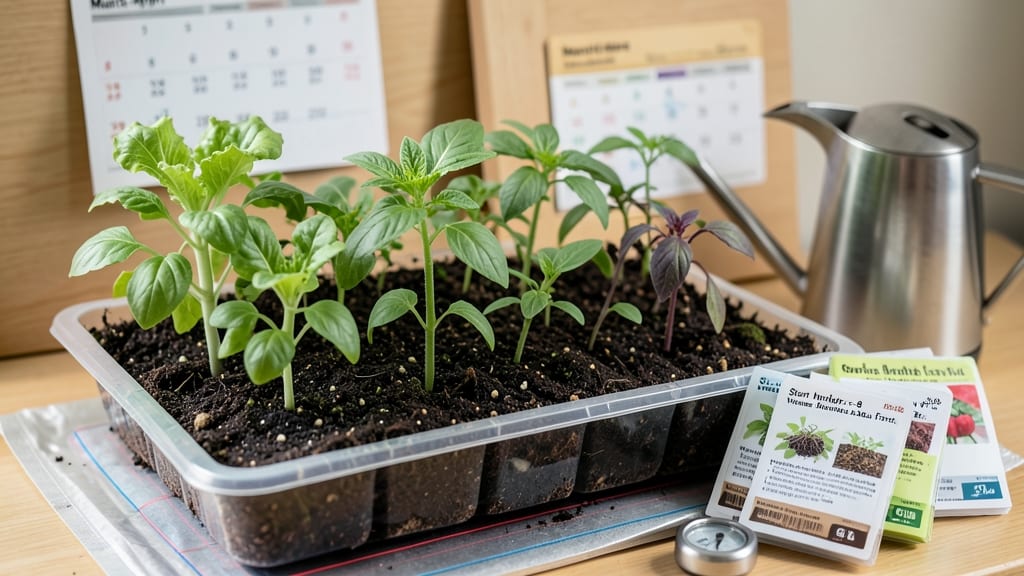
Starting garden seeds at the right time means the difference between a bountiful harvest and a season of disappointment—whether you're coaxing 🌱 starts indoors or planting directly in the soil.
Timing your garden seeds wrong can mean the difference between a thriving harvest and wasted effort—indoor starts need precise schedules, while outdoor plantings depend on frost dates and plant hardiness.
Cool-season crops like lettuce and spinach can handle early starts, but warm-season favorites like tomatoes and peppers demand patience. A miscalculation by just a few weeks can leave you scrambling for transplants or watching your seedlings bolt in the heat.
Below, I’ll break down the exact indoor and outdoor schedules by plant type, how to read those tricky seed packets, and the game-changer of adjusting for your USDA zone—so you can finally stop guessing and start growing with confidence.
Indoor seed starting timeline by plant type and frost dates
Getting your indoor seed starting timeline right is the key to avoiding leggy seedlings or missed harvests. Warm-season crops like tomatoes and peppers need early starts, while cool-season plants like lettuce can wait until closer to spring.
Your USDA zone and last frost date determine everything—so let’s break it down by plant type and region.
First, find your average last frost date—this is your anchor.
For USDA zones 3-5, that might be mid-May, while in zones 8-10, it could be as late as March. Warm-season crops need 6-8 weeks of indoor growing before transplanting, so you’ll start them earlier. Cool-season crops can often go straight into the ground, but some (like broccoli) benefit from a 4-6 week head start.
Here’s a quick reference for indoor seed starting by plant type and zone, using a 6-8 week rule for most warm-season crops. Adjust based on your local frost dates—your county extension office can provide exact numbers if you’re unsure.
For USDA zones 3-5, where winters are long and frosts linger, you’ll need to start warm-season crops as early as February.
In my zone 4 garden, I begin tomatoes and peppers in late January under grow lights to ensure they’re robust enough for transplanting by mid-May. Cool-season crops, like spinach, can handle light frosts, so I often direct-sow them in early spring or even late summer for a
Outdoor seed planting schedule: direct sowing vs. transplanting rules
Deciding whether to plant seeds directly in your garden or start them indoors and transplant can be confusing. Direct sowing works best for plants that dislike root disturbance, like carrots and radishes, while transplanting seedlings suits heat-lovers such as tomatoes and peppers.
Soil temperature and moon phases also play a surprising role in success.
Most gardeners rely on soil temperature as their primary guide. Cool-season crops like lettuce and peas thrive when soil reaches 40-50°F, while warm-season plants need 60-70°F or warmer. A simple soil thermometer (just $10) solves this guessing game instantly.
Moon phases can influence germination rates—planting during the waxing moon (when the moon is growing) is said to boost root development. However, this is more folklore than science, so prioritize temperature and frost dates first.
| Plant Type | Best Method | Soil Temp | Moon Phase Tip |
|---|---|---|---|
| Carrots | Direct sow | 50-65°F | Waxing moon |
| Tomatoes | Transplant | 60-70°F | Full moon |
| Radishes | Direct sow | 45-55°F | Waning moon |
| Peppers | Transplant | 70-80°F | Waxing moon |
| Beans | Direct sow | 60-75°F | Waxing moon |
| Basil | Transplant | 55-65°F | Full moon |
For direct sowing, plant seeds 1/4 inch deep and keep soil moist until germination. Transplants need hardening off (acclimating to outdoor conditions) for 7-10 days before moving them outside. Harden them gradually by placing them in shade for a few hours, then increasing sunlight exposure.
If you're in USDA Zone 5 or colder, wait until two weeks after your last frost date to sow warm-season crops. In Zones 7-10, you can plant warm-season crops as early as February if soil temperatures are ideal. Always check your seed packet for specific instructions.
Pro tip: Use row covers or cold frames to extend your planting season. These can add 2-4 weeks of growing time for cool-season crops in early spring or late fall. Just remove them once plants are established to prevent overheating.
Remember, soil temperature trumps everything—even moon phases. Test your soil with a thermometer before planting to ensure success. Happy gardening!