
Tools
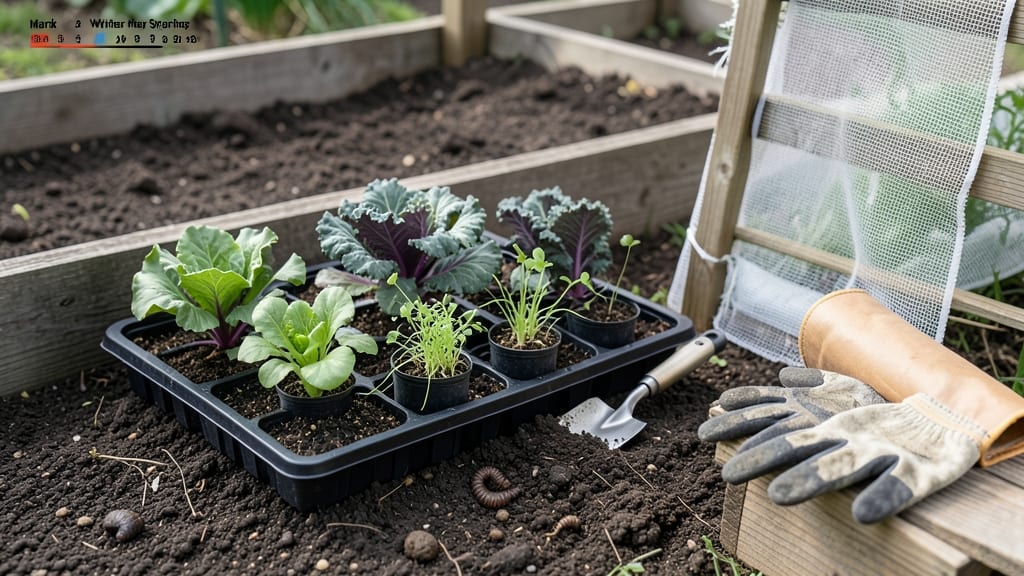
Starting a garden in Ohio at the right time means the difference between a thriving harvest and a frost-nipped disappointment.
Ohio’s unpredictable spring weather can turn your gardening dreams into a guessing game—but timing your planting just right ensures a bountiful harvest. Whether you're growing tender tomatoes or hardy kale, knowing the perfect window to start your Ohio garden is the key to success.
Most Ohio gardeners wait until after the last frost date, which typically falls between mid-April and early May, depending on your region. But the real secret?
Starting seeds indoors in early spring for warm-loving plants like peppers and eggplants, while cold-hardy crops like spinach and peas can go straight into the soil as soon as the ground thaws.
In this guide, I’ll break down the exact planting timeline for Ohio’s USDA zones, from seed-starting to transplanting, so you can avoid common mistakes and maximize your garden’s potential.
Ohio planting zones and frost dates: when to start seeds indoors vs. outdoors
Ohio spans USDA Plant Hardiness Zones 5b through 6b, meaning gardeners experience a range of last frost dates from early April in southern regions to mid-May in northern areas.
This variability makes timing critical—plant too early, and a late frost wipes out your seedlings; too late, and you miss the growing season. Understanding your specific zone and average frost dates helps you decide when to start seeds indoors versus direct-sowing outdoors.
For example, southern Ohio (Zone 6b) typically sees its last frost around April 15, while northern Ohio (Zone 5b) often waits until May 1.
These dates dictate whether you should begin warm-season crops like tomatoes indoors in March or wait until April for cooler crops like peas or lettuce. Let’s break down the essentials so you can align your planting schedule with Ohio’s climate.
Key takeaway: Ohio’s growing season averages 165 frost-free days, leaving room for both spring and fall gardens. Warm-season plants (tomatoes, peppers, cucumbers) need a long, hot season, while cool-season crops (spinach, kale, peas) thrive when temperatures are mild. Starting seeds indoors for warm-season plants is often the best strategy to maximize your harvest.
If you’re growing warm-season vegetables like tomatoes or peppers, start seeds indoors 6–8 weeks before your last frost date. For Zone 6b (southern Ohio), this means beginning in early March, while Zone 5b (northern Ohio) gardeners should wait until mid-March.
Transplant seedlings outdoors 1–2 weeks after the last frost, once soil temperatures reach at least 50°F. Use row covers or cold frames if early frosts are still a risk.
For cool-season crops like spinach or peas, there’s
Month-by-month Ohio garden calendar: what to plant when for maximum yield
Ohio’s 165 frost-free days demand precision in planting—miss the window, and you’ll sacrifice yields. My garden thrives when I align planting with Ohio’s USDA zones 5b-6b, adjusting for southern warmth (Zone 6b) and northern chill (Zone 5b).
The key? Start seeds indoors 4-8 weeks before last frost (mid-April) and transplant after soil hits 50°F. Below, I’ve broken down the month-by-month rhythm that keeps my garden productive from February’s first seeds to October’s final harvests.
February is all about indoor prep. This is when I start cool-season crops like tomatoes, peppers, and eggplants under grow lights. For hardy perennials (asparagus, rhubarb), I order crowns and prep beds.
By late February, I test soil pH—aiming for 6.0-7.0—and amend with compost. Southern Ohio gardeners can even direct-sow spinach and peas if ground isn’t frozen, but northern zones wait until March.
📅 Ohio Garden Timeline: Planting by Month
- 🌱 February: Start tomatoes, peppers, eggplants indoors; order asparagus/rhubarb crowns; test soil pH.
- 🌿 March: Direct-sow peas, spinach, lettuce; transplant onion sets, potatoes; harden off seedlings.
- ☀️ April: Plant cabbage, broccoli, carrots; set out tomato/pepper seedlings after last frost (mid-April); mulch beds.
- 🌽 May: Sow corn, beans, cucumbers, squash; succession plant lettuce, radishes every 2 weeks; fertilize heavy feeders.
- 🍅 June: Direct-sow fall crops (kale, Brussels sprouts); watch for pests (tomato hornworms!); harvest early potatoes.
- 🌻 September: Plant garlic, spinach, peas for fall; transplant broccoli, cabbage; cover tender plants for frost protection.
- 🍂 October: Harvest late tomatoes, peppers, pumpkins; plant winter rye cover crop; clean beds for spring.
June is peak warm-season planting—my garden explodes with corn, beans, and cucumbers sown directly into warm soil. I swear by succession planting here: every 2 weeks, I drop lettuce or radish seeds to replace bolting greens.
This keeps harvests rolling until October. For Ohio-specific crops, sweet corn thrives when planted in blocks (not rows) for better pollination, while potatoes need loose, sandy soil to prevent rot.
Don’t overlook fall planting—September and October are prime for cool-season crops. I direct-sow spinach, peas, and kale in late August for harvests before first frost (mid-October). For asparagus crowns, plant in trenches now—they’ll reward you with spears for 5+ years.
Mulch heavily to insulate roots from temperature swings, and use row covers to extend harvests into November for hardy greens.
My biggest lesson? Microclimates matter. A south-facing bed warms faster than a shady corner, so I adjust planting dates accordingly. For example, peppers in Zone 6b might tolerate direct sowing by May 15, while Zone 5b gardeners wait until June 1**.
Use a soil thermometer—most seeds need 60°F+ soil to germinate reliably. With this calendar, my Ohio garden delivers year-round harvests, even in unpredictable weather.