
Planting
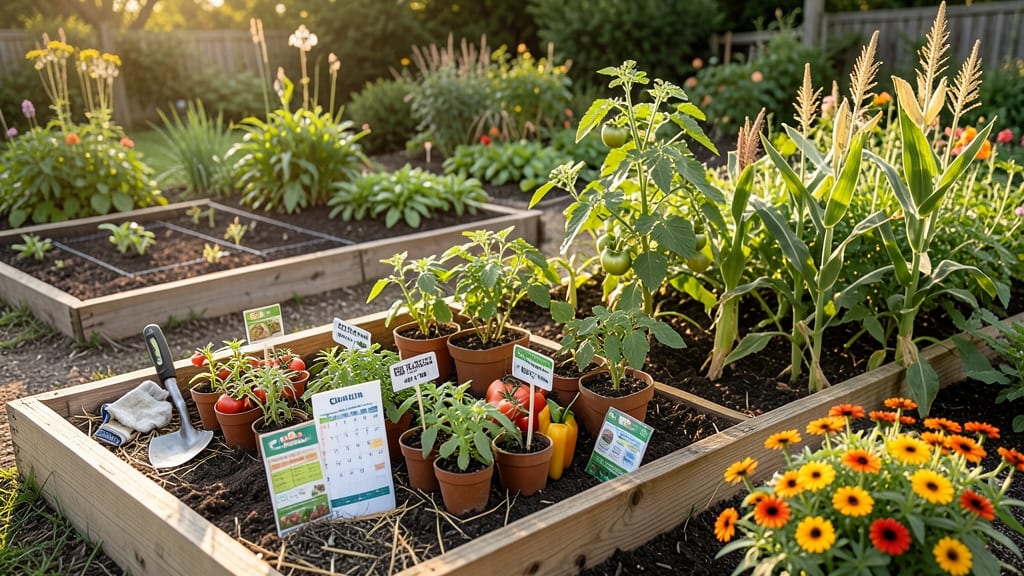
Planting your garden in Ohio after the last frost date — typically mid-April — is the key to avoiding those heartbreaking late-spring freezes that can wipe out tender seedlings.
Ohio’s unpredictable spring weather can make or break your garden, but knowing the exact frost-free dates for your zone and crop type ensures a thriving harvest.
Whether you're growing cool-season veggies like spinach or warm-season favorites like tomatoes, timing matters. Plant too early, and frost will nip your progress; wait too long, and you’ll miss the growing season entirely.
Below, I’ll break down Ohio’s USDA Zones 5b-6b, monthly planting calendars, and simple tricks to extend your season — so you can enjoy a bountiful garden from May to October.
Ohio frost-free dates by Zone: when to plant cool vs warm-season crops
Ohio spans USDA Hardiness Zones 5b-6b, creating distinct planting windows across the state. In Zone 5b (northern Ohio), the average last frost date is around April 20-30, while Zone 6b (southern Ohio) typically sees frost-free conditions by April 10-20.
These dates determine whether your cool-season crops like spinach or warm-season crops like tomatoes thrive—or fail.
Understanding these frost-free windows is critical because planting too early risks frost damage, while waiting too late shortens your growing season.
For example, tomatoes need 60-85 days to mature, so in Zone 5b, you must start seeds indoors by March 1 or plant transplants by May 1 to harvest before the first frost in October.
Here’s a quick reference for Ohio’s cool-season vs warm-season crops based on your zone, including adjustments for microclimates like urban heat islands or lake-effect cooling:
| Zone | Avg. Last Frost | Cool-Season Crops (Plant Before) | Warm-Season Crops (Plant After) | Microclimate Adjustment |
|---|---|---|---|---|
| 5b (Northern OH) | April 20-30 | Spinach, peas, kale (by April 1) | Tomatoes, peppers (after May 15) | Add 7-10 days for valleys; subtract 3-5 for urban areas |
| 6a (Central OH) | April 10-20 | Lettuce, carrots, radishes (by March 25) | Cucumbers, beans (after April 25) | Lake-effect areas: delay by 5-7 days |
| 6b (Southern OH) | April 1-10 | Broccoli, cabbage (by March 15) | Sweet potatoes, okra (after April 15) | Urban heat islands: plant warm crops 5-7 days earlier |
For cool-season crops, focus on planting 4-6 weeks before your average last frost date. In Zone 5b, that means sowing spinach or peas by March 15 to harvest before summer heat sets in.
These crops tolerate light frosts (28°F) and even thrive in cooler temperatures (50-65°F).
Warm-season crops like tomatoes and peppers demand soil temperatures above 60°F and won’t germinate until after your last frost. In Zone 6b, wait until April 15 to plant seeds directly or May 1 for transplants. Use a soil thermometer to confirm—50°F is the minimum for most warm-season crops.
Ohio’s historical frost trends show that late frosts (May 10-20) are more common in Zone 5b, so I recommend using row covers for early plantings of lettuce or onions.
Conversely, Zone 6b gardeners can push warm-season crops like cucumbers a week earlier thanks to longer frost-free windows.
Don’t rely solely on averages—monitor local weather forecasts and use frost-sensitive plants like marigolds as early warning systems. If your marigolds wilt overnight, expect frost within 24 hours. For urban gardeners, rooftop gardens often warm up faster, allowing you to plant warm-season crops 5-7 days earlier than ground-level gardens.
Pro tip: Succession planting extends your harvest. In Zone 5b, sow bush beans every 2 weeks from May 15 to June 15 to ensure a continuous supply. Meanwhile, Zone 6b gardeners can stretch their season by planting fall crops like kale in August for a winter harvest.
Adjust your planting timeline based on crop maturity. Fast-growing radishes (30 days) can handle late starts, while squash (90+ days) needs an early jump. Use this rule of thumb: Days to maturity + last frost date = latest planting window.
For example, a 90-day tomato in Zone 5b must be in the ground by July 10 to ripen before frost.
Remember, Ohio’s microclimates can shift planting windows by 1-2 weeks. A south-facing wall or black plastic mulch can warm soil enough to plant warm-season crops 7-10 days earlier. Conversely, low-lying areas may experience frost 10-14 days later than surrounding regions.
Start tracking your local frost dates now—your 2025
Best month-by-month planting schedule for Ohio gardens
Ohio’s variable climate means your planting timeline should shift with the seasons—not just the calendar. While southern Ohio (Zone 6b) enjoys a longer growing season, northern Ohio (Zone 5b) faces late spring frosts that can delay planting by weeks.
My strategy? Plan for two critical windows: early spring for cool-season crops and late spring for warm-season favorites.
Succession planting is your secret weapon in Ohio. By staggering planting dates every 2-3 weeks, you’ll ensure a continuous harvest of lettuce, radishes, and beans instead of one overwhelming bounty.
For example, I sow spinach in March and again in August for fall harvests—both times avoiding frost risks. Let’s break it down month by month to maximize your Ohio garden’s potential.
- 1. January-February: Start cool-season seeds indoors (e.g., onions, broccoli) and plan perennial beds. Soil temps are too cold for outdoor planting—use this time to prep compost and garden layouts.
- 2. March: Plant hardy cool crops outdoors (e.g., peas, spinach, kale) as soon as soil reaches 40°F. Cover with row fabric for frost protection. Southern Ohio can plant 2 weeks earlier than northern regions.
- 3. April: Wait until after last frost (typically mid-April) to plant warm-season crops like tomatoes and peppers. Start succession plantings of lettuce and radishes every 2 weeks for continuous harvests.
- 4. May-June: Peak planting! Add corn, beans, and squash after soil warms to 60°F. Mulch heavily to retain moisture—Ohio’s summer droughts can stress young plants. Herbs like basil thrive in May heat.
- 5. July-August: Shift to fall crops. Plant broccoli, cabbage, and carrots in late July for harvests before first frost (mid-October). Use shade cloth to protect seedlings from intense summer sun.
- 6. September-October: Plant garlic and cover crops (e.g., clover) to improve soil. In southern Ohio, extend warm-season crops with row covers until late October.
- 7. November-December: Focus on winter prep. Plant spring-blooming bulbs (e.g., tulips, daffodils) and protect perennials with mulch. Use this downtime to clean tools and plan next year’s layout.
Ohio’s microclimates mean your neighbor’s frost date might not match yours. For example, Columbus (Zone 6a) typically sees its last frost 1 week earlier than Cleveland (Zone 5b).
I recommend checking your local Cooperative Extension Service for hyper-local data—it’s worth the extra effort to avoid frost damage to your tomato plants!
Pro tip: Use frost-sensitive plants like petunias as natural indicators. If they survive a night outdoors, your warm-season crops are likely safe to plant. Pair this with a garden journal to track your own frost dates over years—your data will become more accurate than generic zone averages.
Don’t let Ohio’s unpredictable weather derail your garden dreams. With this month-by-month schedule and a little flexibility, you’ll enjoy fresh harvests from spring to fall—no matter where in Ohio you garden. Happy planting! 🌱